Blog

  • Top 5 Refurbished Medical Devices to Invest in 2025

    Top 5 Refurbished Medical Devices to Invest in 2025

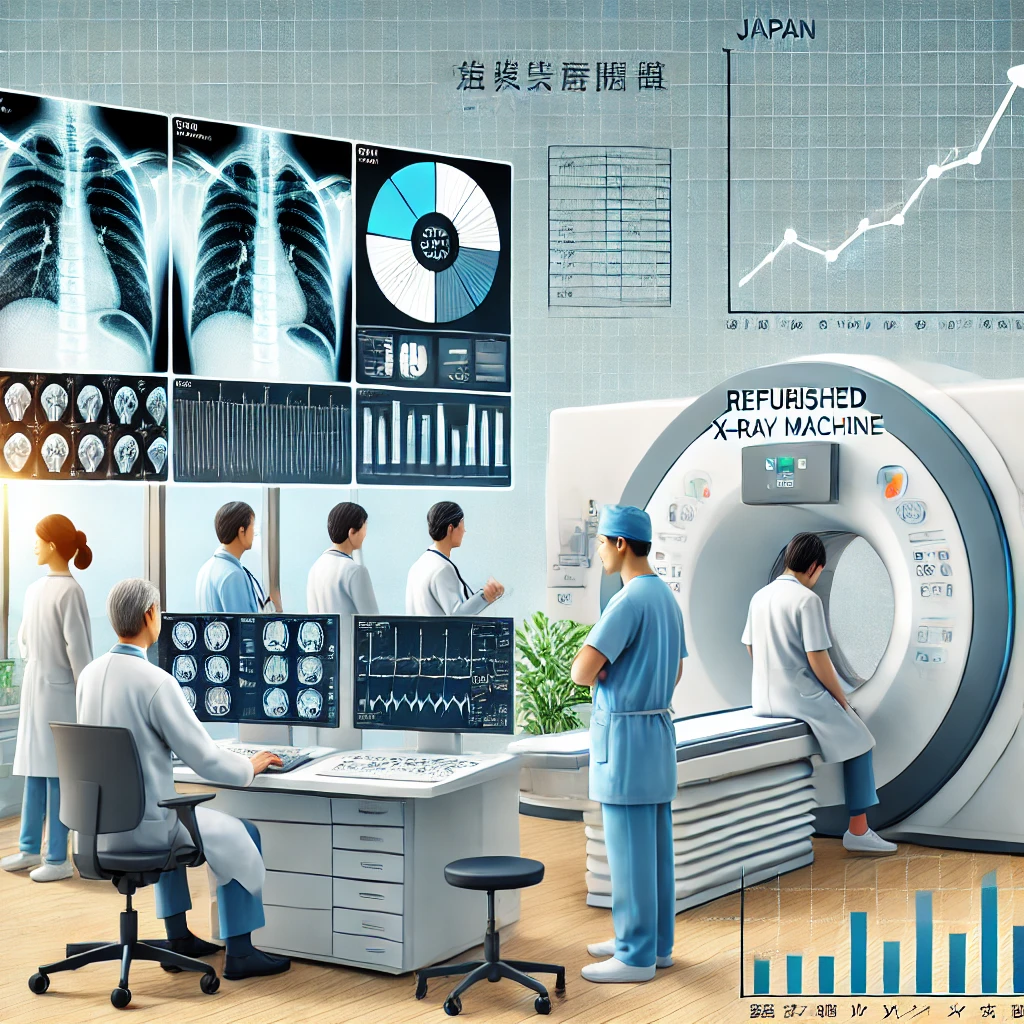
    As healthcare costs continue to rise globally, hospitals, clinics, and diagnostic centers are increasingly turning to refurbished medical devices to balance quality care with financial sustainability. In 2025, the refurbished medical equipment market is poised for significant growth, driven by technological advancements, cost pressures, and a growing emphasis on sustainability. For investors—whether hospital administrators, medical practice owners, or equipment suppliers—selecting the right refurbished devices can yield substantial returns in terms of cost savings, reliability, and patient outcomes. Below, we explore the top five refurbished medical devices worth investing in for 2025, focusing on their demand, utility, and long-term value.

    1. Refurbished MRI Scanners

    Magnetic Resonance Imaging (MRI) scanners remain a cornerstone of diagnostic medicine, offering unparalleled insights into soft tissues, organs, and neurological conditions. However, new MRI systems can cost upwards of $1 million USD (approximately ¥150 million), making them a significant investment for any facility. Refurbished MRI scanners, priced at 40-60% less, are an attractive alternative, particularly for small-to-medium hospitals and rural healthcare providers.

    In 2025, the demand for refurbished MRI machines is expected to surge due to their widespread use in diagnosing chronic diseases like cancer and cardiovascular conditions, which are on the rise globally. Leading manufacturers like GE Healthcare and Siemens Healthineers offer refurbished units that are restored to meet original equipment manufacturer (OEM) standards, complete with updated software and warranties. For investors, these devices promise high utilization rates and a steady return, especially in regions with aging populations, such as Japan, where healthcare providers seek cost-effective imaging solutions.

    2. Refurbished CT Scanners

    Computed Tomography (CT) scanners are another high-value investment in the refurbished market. These machines, critical for detailed imaging of bones, organs, and blood vessels, often carry a price tag exceeding $500,000 USD for new models. Refurbished CT scanners, available at a fraction of that cost, provide the same diagnostic capabilities with refurbished components and modern software upgrades.

    The appeal of refurbished CT scanners in 2025 lies in their versatility and necessity across emergency departments, oncology, and trauma care. With healthcare facilities under pressure to optimize budgets, refurbished CT scanners from trusted suppliers like Philips or Toshiba Medical Systems (Canon) offer a reliable, cost-efficient option. Their high demand ensures a robust resale market, making them a smart choice for investors looking to equip facilities or lease equipment to healthcare providers.

    3. Refurbished Ultrasound Systems

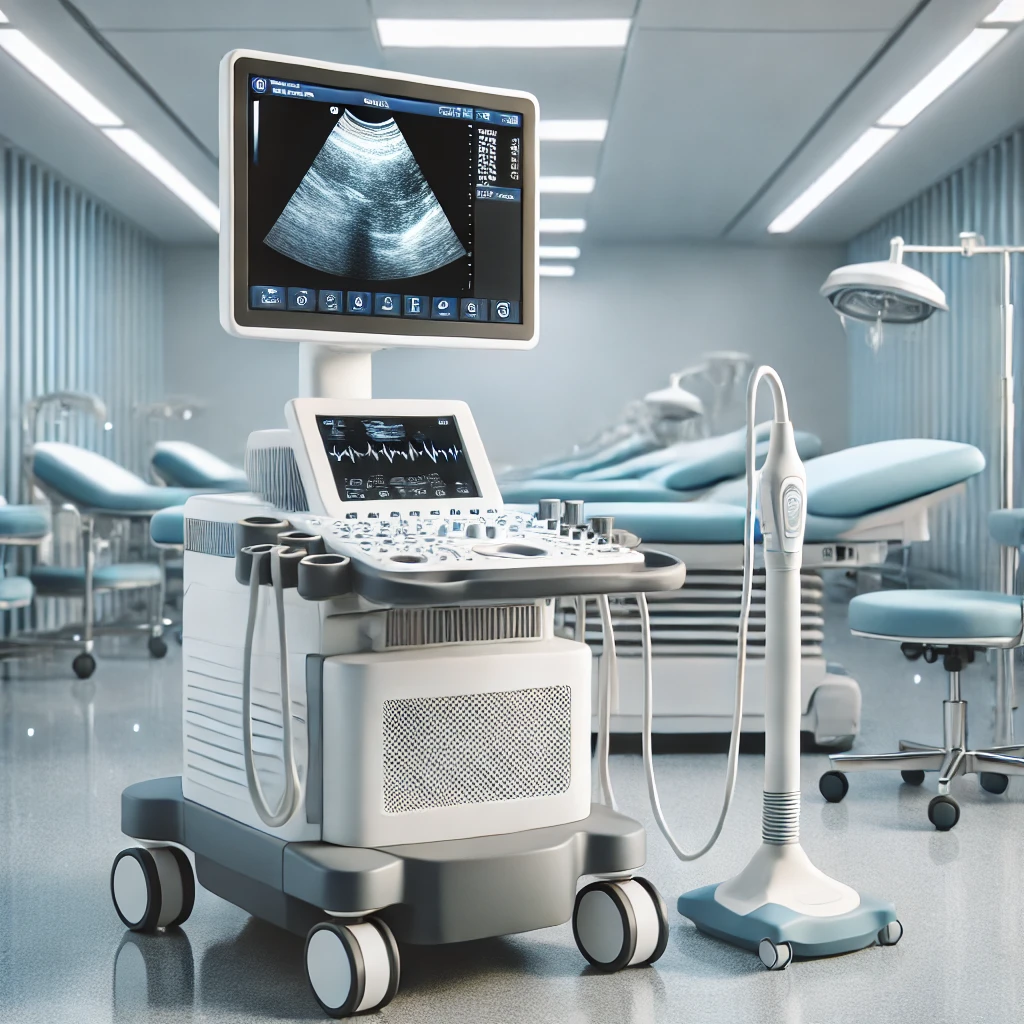
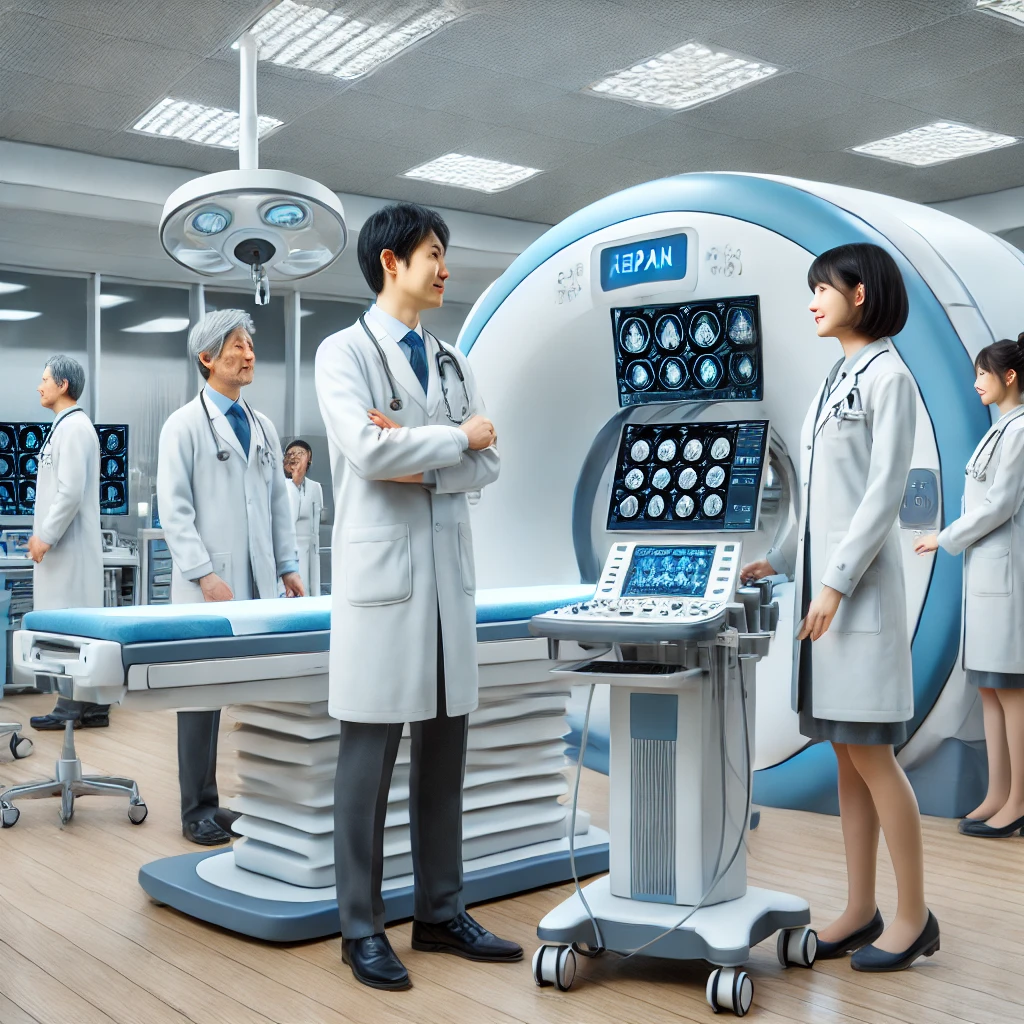
    Ultrasound machines are indispensable in fields like obstetrics, cardiology, and general diagnostics due to their non-invasive nature and real-time imaging capabilities. New ultrasound systems can range from $50,000 to $200,000 USD depending on features, but refurbished units are often available for half that cost, making them accessible to smaller clinics and outpatient centers.

    In 2025, refurbished ultrasound systems are expected to see increased adoption due to advancements in portable and point-of-care models. Companies like Mindray and refurbished specialists such as Fair Medical Co. Ltd. in Japan provide high-quality, reconditioned units that meet stringent safety standards. For investors, the portability and broad applicability of ultrasound devices—especially in rural or underserved areas—make them a low-risk, high-reward option with consistent demand from diverse medical practices.

    4. Refurbished Patient Monitors

    Patient monitoring systems are the backbone of critical care, tracking vital signs such as heart rate, blood pressure, and oxygen saturation in real time. New multi-parameter monitors from brands like Medtronic or Philips can cost tens of thousands of dollars, but refurbished models offer the same functionality at significantly lower prices, often between $5,000 and $15,000 USD.

    The ongoing need for patient monitors in intensive care units (ICUs), operating rooms, and general wards ensures their relevance in 2025. Refurbished units are particularly appealing to hospitals expanding capacity or replacing aging equipment without straining budgets. With the global rise in chronic illnesses and post-pandemic preparedness, investing in refurbished patient monitors promises steady utilization and a reliable return, especially when sourced from reputable refurbishers with strong quality assurance processes.

    5. Refurbished Endoscopy Systems

    Endoscopy systems are vital for minimally invasive procedures, enabling doctors to examine internal organs with precision. A new endoscopy setup, including video processors, scopes, and light sources, can easily exceed $100,000 USD. Refurbished systems, priced at 30-50% less, provide a cost-effective alternative for gastroenterology, pulmonology, and surgical departments.

    In 2025, the refurbished endoscopy market is set to grow as healthcare providers prioritize outpatient procedures and early detection of conditions like colorectal cancer. Companies like Olympus, a leader in endoscopic technology, offer refurbished systems that undergo rigorous testing and part replacement. For investors, these devices offer a strong value proposition: they cater to a growing trend of minimally invasive care, have a long operational lifespan, and appeal to facilities aiming to expand services without massive capital outlays.

    Why Invest in Refurbished Devices in 2025?

    The refurbished medical equipment market is projected to reach $24.41 billion USD by 2029, growing at a compound annual growth rate (CAGR) of 7.6% from 2024, according to MarketsandMarkets. In 2025, this growth will be fueled by several factors: escalating healthcare costs, the need for affordable diagnostic and treatment options, and a global push for sustainability. Refurbished devices reduce electronic waste, aligning with environmental goals while delivering performance comparable to new equipment.

    For investors, the key is to focus on devices with high demand, proven reliability, and strong refurbishment support. Partnering with certified refurbishers ensures compliance with regulatory standards—such as those set by Japan’s Pharmaceuticals and Medical Devices Agency (PMDA)—and mitigates risks related to quality or safety. Additionally, the availability of warranties and service contracts enhances the resale value and operational confidence in these investments.

    Conclusion

    Investing in refurbished medical devices in 2025 offers a strategic opportunity to meet the healthcare industry’s evolving needs while maximizing financial efficiency. MRI and CT scanners provide advanced diagnostics at a lower cost, ultrasound systems bring portability and accessibility, patient monitors ensure critical care reliability, and endoscopy systems support minimally invasive innovation. Together, these top five refurbished devices represent a blend of practicality, demand, and profitability—making them ideal choices for hospitals, clinics, and equipment suppliers aiming to thrive in a competitive landscape. As the market continues to expand, early investment in these high-impact devices could position stakeholders for long-term success in the dynamic world of healthcare.

  • How Refurbished Medical Equipment Can Save Your Hospital Money

    How Refurbished Medical Equipment Can Save Your Hospital Money

    In the ever-evolving landscape of healthcare, hospitals in Japan face the dual challenge of delivering top-tier medical services while managing tight budgets. With Japan’s aging population driving demand for advanced healthcare and the country’s well-regarded universal health insurance system keeping costs in check, hospitals must find innovative ways to optimize resources. One increasingly popular solution is the use of refurbished medical equipment. By integrating refurbished medical devices into their operations, Japanese hospitals can achieve significant cost savings without compromising quality. This article explores how refurbished medical equipment can benefit hospitals in Japan, focusing on cost efficiency, sustainability, and practical applications.

    The Rising Cost of Healthcare in Japan

    Japan’s healthcare system is renowned for its efficiency and accessibility, providing equitable care through the National Health Insurance (NHI) and Social Health Insurance (SHI) programs. However, the system isn’t without its pressures. An aging demographic—coupled with a high demand for diagnostic and treatment technologies like MRI scanners, CT machines, and ultrasound systems—has put financial strain on hospitals. New medical equipment often comes with a hefty price tag, and for small- to medium-sized facilities, purchasing state-of-the-art devices outright can be prohibitive. This is where refurbished medical equipment offers a compelling alternative.

    Refurbished medical devices are pre-owned machines that have been restored to full functionality by manufacturers or certified third-party providers. These devices undergo rigorous testing, repairs, and updates to meet original safety and performance standards, often at a fraction of the cost of new equipment. For Japanese hospitals looking to balance quality care with fiscal responsibility, this option is gaining traction.

    Cost Savings: A Game-Changer for Hospitals

    The most immediate benefit of refurbished medical equipment is its affordability. In Japan, where healthcare providers face strict reimbursement pricing controls under the NHI, keeping operational costs low is critical. A new MRI machine, for instance, can cost upwards of ¥100 million (approximately $700,000 USD), while a refurbished model might be available for 30-50% less. Similarly, refurbished X-ray machines, endoscopes, and patient monitors offer substantial savings, allowing hospitals to allocate funds elsewhere—such as hiring skilled staff or upgrading facilities.

    For example, a small community hospital in rural Japan might struggle to justify the expense of a new CT scanner. By opting for a refurbished unit, the hospital can provide essential diagnostic services to its patients without incurring crippling debt. This cost-effectiveness is particularly appealing to private clinics and diagnostic imaging centers, which make up a significant portion of Japan’s healthcare ecosystem and often operate on tighter budgets than large public institutions.

    Quality Assurance and Reliability

    One common concern about refurbished equipment is whether it can match the performance of new devices. In Japan, where precision and reliability are paramount in healthcare, this is a valid question. Fortunately, the refurbishment process is highly regulated. Companies like Fair Medical Co. Ltd., a Japanese firm specializing in refurbished medical equipment, ensure that devices are meticulously restored, with worn parts replaced and software updated to meet current standards. Many refurbished units also come with warranties, providing hospitals with peace of mind.

    The Japanese market has seen growing acceptance of refurbished devices, particularly for high-demand equipment like medical imaging systems. Hospitals can acquire refurbished MRI or ultrasound machines that perform comparably to new models, enabling them to maintain high standards of care while staying within budget. This blend of quality and affordability aligns well with Japan’s healthcare ethos of delivering “necessary and adequate” services at a reasonable cost.

    Sustainability: A Green Approach to Healthcare

    Beyond financial benefits, refurbished medical equipment supports sustainability—a priority in Japan, where environmental consciousness is deeply ingrained. By extending the lifespan of medical devices, hospitals reduce waste and the demand for raw materials needed to produce new equipment. This eco-friendly approach resonates with Japan’s broader societal push toward greener practices, enhancing a hospital’s reputation as a responsible community partner.

    For instance, refurbishing an operating room’s surgical equipment rather than discarding it minimizes the environmental footprint of healthcare delivery. As Japan navigates the challenges of an aging population and limited resources, such sustainable strategies are increasingly vital.

    Practical Applications in Japan’s Healthcare System

    Refurbished medical equipment is versatile, catering to a range of needs across Japan’s hospitals. Medical imaging devices, such as X-ray machines and CT scanners, are among the most commonly refurbished items due to their high cost and frequent use. Cardiology equipment, like defibrillators and ECG monitors, also benefits from refurbishment, supporting Japan’s efforts to address cardiovascular diseases—a leading health concern identified by the Office of Healthcare Policy.

    In rural areas, where access to advanced healthcare can be limited, refurbished equipment offers a lifeline. A refurbished ultrasound system, for example, can bring diagnostic capabilities to underserved regions without the prohibitive costs of new technology. Meanwhile, urban hospitals can use refurbished intensive care equipment or patient monitors to expand capacity during peak demand, such as flu seasons or public health crises.

    Overcoming Challenges

    Despite its advantages, the adoption of refurbished medical equipment in Japan faces hurdles. Stringent regulations on imports and a cultural preference for new technology can slow uptake. Additionally, some administrators worry about the perception of “second-hand” devices among patients. However, as awareness grows—bolstered by success stories and data showing no compromise in safety or efficacy—these barriers are diminishing. Education and transparency about the refurbishment process can further build trust among stakeholders.

    The Future of Refurbished Equipment in Japan

    The global refurbished medical equipment market is projected to grow significantly, with estimates suggesting it could reach $24 billion USD by 2029. Japan, as the world’s third-largest medical device market, is well-positioned to capitalize on this trend. With companies like Shimadzu Corporation and international players like Siemens Healthineers expanding their refurbishment offerings, the supply of high-quality refurbished devices is increasing.

    For Japanese hospitals, integrating refurbished equipment into their procurement strategies offers a practical path to financial stability and enhanced care delivery. As the healthcare system evolves to meet the needs of an aging population, refurbished medical devices provide a cost-effective, sustainable, and reliable solution—proving that innovation doesn’t always require starting from scratch.

    In conclusion, refurbished medical equipment is more than a budget-friendly option; it’s a strategic tool for Japanese hospitals to thrive in a competitive and resource-constrained environment. By embracing this approach, healthcare providers can save money, reduce waste, and continue delivering world-class care—all while keeping pace with Japan’s unique healthcare demands.

  • TokyoMedics Brings Japan’s Premier Used Medical Devices to the World

    TokyoMedics Brings Japan’s Premier Used Medical Devices to the World

    In a world where healthcare innovation drives better patient outcomes, access to reliable and advanced medical technology is paramount. Yet, for many providers, the steep cost of new equipment poses a significant barrier. TokyoMedics steps in as a transformative force, bringing Japan’s premier used and refurbished medical devices to healthcare facilities across the globe. With a foundation rooted in Japan’s celebrated engineering excellence, TokyoMedics offers an affordable, high-quality alternative that empowers clinicians to deliver exceptional care without compromise.

    Japan’s Premier Technology, Made Accessible

    Japan has long been a titan in the realm of technological innovation, renowned for its precision, durability, and forward-thinking design. This expertise shines brightly in its medical device industry, where Japanese manufacturers have produced some of the most sophisticated tools in healthcare—from cutting-edge imaging systems to intricate surgical instruments. TokyoMedics leverages this legacy, sourcing top-tier used equipment and restoring it to impeccable condition. By doing so, the company makes Japan’s premier technology available to a global audience, breaking down financial and logistical barriers that once limited access.

    Refurbished with Precision, Delivered with Trust

    At TokyoMedics, the refurbishment process is an art form. Each device, whether a CT scanner, an endoscope, or a patient monitor, is meticulously evaluated and revitalized by expert technicians steeped in Japanese technical standards. Worn components are replaced with authentic parts, systems are recalibrated to factory specifications, and rigorous testing ensures flawless performance. The result is a collection of medical devices that rival the reliability and accuracy of new equipment, all while offering significant cost savings. TokyoMedics doesn’t just sell used devices—it delivers trust, backed by Japan’s reputation for excellence.

    This dedication to quality ensures that healthcare providers can rely on TokyoMedics’ offerings in even the most demanding environments. A refurbished Japanese ultrasound machine, for instance, provides sharp, dependable imaging that supports accurate diagnoses. A restored surgical tool retains the precision and ergonomic design that surgeons worldwide value. TokyoMedics brings these premier devices to hospitals, clinics, and practices everywhere, proving that “used” can mean world-class.

    A Global Reach with Local Impact

    TokyoMedics’ mission extends far beyond Japan’s borders. By exporting refurbished medical technology to the world, the company addresses a universal need: high-quality equipment at accessible prices. In underserved regions, where new devices are often unattainable, TokyoMedics equips facilities with the tools to save lives and improve care. In developed markets, it allows providers to expand services or replace aging systems cost-effectively. This global reach amplifies the impact of Japan’s premier technology, making it a resource for humanity rather than a privilege for the few.

    Sustainability as a Core Value

    In addition to affordability and quality, TokyoMedics embraces sustainability as a cornerstone of its operations. Refurbishing used medical devices reduces electronic waste and conserves resources, aligning with global efforts to create a more sustainable future. Healthcare providers choosing TokyoMedics not only gain access to premier technology but also contribute to an eco-conscious approach that benefits the planet. It’s a powerful combination: world-class performance paired with a commitment to environmental responsibility.

    Supporting Healthcare Providers Worldwide

    TokyoMedics is more than a supplier—it’s a partner in healthcare success. The company offers tailored support to ensure clients find the right equipment for their needs, from initial consultation to post-purchase maintenance advice. With an intimate understanding of Japan’s medical technology landscape, TokyoMedics bridges cultural and technical gaps, delivering devices that integrate seamlessly into diverse healthcare systems. Whether outfitting a rural clinic with diagnostic tools or equipping a bustling urban hospital with advanced imaging, TokyoMedics adapts to the unique demands of its global clientele.

    Why TokyoMedics Stands Out

    The appeal of TokyoMedics lies in its ability to deliver Japan’s premier used medical devices with unmatched value. It combines the prestige of Japanese engineering with the pragmatism of affordability, offering a solution that meets the needs of modern healthcare. Providers gain access to technology that enhances precision, boosts efficiency, and improves patient outcomes—all without the prohibitive costs of new systems. It’s a model that resonates in an industry where every dollar and every decision impacts lives.

    A Vision for the Future

    As healthcare continues to evolve, TokyoMedics is poised to lead the charge in making premier technology universally accessible. By bringing Japan’s finest refurbished medical devices to the world, the company is not just meeting today’s demands—it’s shaping tomorrow’s possibilities. For healthcare providers seeking quality, reliability, and value, TokyoMedics is the gateway to a new era of care, where Japan’s technological prowess serves as a global cornerstone.

  • TokyoMedics: Your Gateway to Japan’s Top-Tier Used Medical Technology

    TokyoMedics: Your Gateway to Japan’s Top-Tier Used Medical Technology

    In the ever-advancing field of healthcare, access to cutting-edge technology can make the difference between good and exceptional patient outcomes. However, the high costs of new medical equipment often place such innovations out of reach for many providers. TokyoMedics emerges as a game-changer, serving as a vital gateway to Japan’s top-tier used and refurbished medical technology. By combining affordability with the renowned precision of Japanese engineering, TokyoMedics empowers hospitals, clinics, and practitioners worldwide to elevate their capabilities without financial strain.

    Japan’s Unmatched Technological Heritage

    Japan’s reputation as a global leader in technology is well-earned. Known for its meticulous craftsmanship and innovation, the country has produced some of the world’s most reliable and advanced medical devices—from diagnostic imaging systems to surgical instruments. TokyoMedics taps into this rich legacy, offering healthcare providers access to pre-owned equipment that embodies Japan’s commitment to quality. These devices, once at the forefront of medical innovation, are restored to peak performance, ensuring they remain valuable assets in modern healthcare settings.

    Bridging Cost and Quality

    TokyoMedics understands that budget constraints shouldn’t compromise patient care. The company specializes in sourcing high-quality used medical equipment from Japan and refurbishing it to meet rigorous international standards. Each device undergoes a comprehensive process: thorough inspections, expert repairs, and precise recalibration by technicians skilled in Japanese technology. Whether it’s an MRI scanner, an endoscope, or a patient monitoring system, TokyoMedics ensures that every piece performs with the reliability and accuracy healthcare professionals demand—all at a fraction of the cost of new equipment.

    This unique approach makes TokyoMedics more than just a supplier; it’s a partner in making advanced healthcare accessible. For facilities in developing regions or those upgrading outdated systems, TokyoMedics provides a practical solution without sacrificing quality. It’s an opportunity to bring world-class technology into the hands of those who need it most.

    A Commitment to Excellence

    What sets TokyoMedics apart is its unwavering dedication to excellence. Refurbished doesn’t mean second-rate—every piece of equipment is restored with precision, using authentic parts and adhering to strict safety protocols. This ensures that devices not only meet but often exceed the expectations of healthcare providers. For example, a refurbished Japanese ultrasound machine from TokyoMedics delivers crystal-clear imaging, enabling accurate diagnoses even in high-stakes situations. Similarly, a restored surgical tool retains the ergonomic design and durability that Japanese manufacturers are known for, supporting surgeons in delivering optimal results.

    This focus on quality translates directly to improved patient care. With TokyoMedics’ equipment, clinicians can trust their tools to perform consistently, enhancing efficiency and confidence in every procedure or diagnosis. It’s a testament to how TokyoMedics preserves the integrity of Japan’s top-tier technology while making it accessible to a global audience.

    Sustainability in Healthcare

    Beyond affordability and performance, TokyoMedics champions sustainability—a critical consideration in today’s world. By refurbishing and redistributing used medical equipment, the company reduces waste and extends the lifespan of valuable resources. This eco-friendly model aligns with the growing push for sustainable practices in healthcare, allowing providers to invest in their facilities while minimizing their environmental footprint. Choosing TokyoMedics means choosing a future where innovation and responsibility go hand in hand.

    A Trusted Partner for Healthcare Providers

    TokyoMedics goes beyond simply supplying equipment—it builds relationships. The company offers personalized support, guiding clients through the process of selecting, installing, and maintaining their devices. With deep expertise in Japan’s medical technology sector, TokyoMedics serves as a reliable bridge between Japanese ingenuity and global healthcare needs. Whether a small clinic needs a single diagnostic tool or a hospital requires a full suite of refurbished systems, TokyoMedics tailors its solutions to fit, ensuring every client maximizes their investment.

    Why TokyoMedics?

    For healthcare providers, the choice is clear. TokyoMedics delivers Japan’s top-tier medical technology in a way that’s cost-effective, sustainable, and dependable. It’s an invitation to experience the precision and innovation that have made Japanese equipment a global benchmark, without the prohibitive costs of new units. From rural practices to urban medical centers, TokyoMedics opens doors to advanced care, proving that quality and affordability can coexist.

    The Future of Medical Technology Access

    As healthcare demands continue to rise, TokyoMedics stands ready to meet the challenge. By offering a gateway to Japan’s finest used medical technology, the company is reshaping how providers equip themselves for success. It’s not just about meeting today’s needs—it’s about preparing for tomorrow’s possibilities. With TokyoMedics, the tools for exceptional healthcare are within reach, backed by the precision and trust that only Japanese engineering can provide.

  • World-Class Precision: TokyoMedics’ Used Medical Equipment from Japan

    World-Class Precision: TokyoMedics’ Used Medical Equipment from Japan

    In the fast-evolving world of healthcare, precision, reliability, and affordability are non-negotiable. Medical professionals and institutions worldwide are constantly seeking innovative ways to deliver exceptional patient care without compromising on quality or breaking their budgets. Enter TokyoMedics, a trusted name that bridges these needs with Japan’s renowned expertise in technology and craftsmanship. Specializing in used and refurbished medical equipment, TokyoMedics brings world-class precision to healthcare providers globally, offering a sustainable and cost-effective alternative to brand-new devices—all rooted in Japan’s legacy of excellence.

    Japan: A Legacy of Innovation and Quality

    Japan has long been synonymous with cutting-edge technology and meticulous attention to detail. From robotics to automotive engineering, the nation’s commitment to precision is unrivaled. This same dedication extends to its medical equipment industry, where manufacturers have set global benchmarks for durability, accuracy, and performance. TokyoMedics harnesses this heritage, curating a selection of pre-owned and expertly refurbished medical devices that embody Japan’s high standards. Whether it’s imaging systems, surgical tools, or diagnostic machines, each piece reflects the craftsmanship that has made Japanese engineering a gold standard worldwide.

    The TokyoMedics Difference: Quality You Can Trust

    At TokyoMedics, the term “used” doesn’t mean outdated or subpar—it signifies opportunity. Every piece of equipment undergoes a rigorous refurbishment process, ensuring it meets stringent quality and safety standards before reaching customers. Skilled technicians, trained in the intricacies of Japanese medical technology, meticulously inspect, repair, and recalibrate each device. Replacement parts, when needed, are sourced from trusted manufacturers, preserving the equipment’s original integrity. The result? Medical tools that perform as reliably as their brand-new counterparts, but at a fraction of the cost.

    This commitment to quality makes TokyoMedics a standout in the refurbished medical equipment market. Hospitals, clinics, and private practices can acquire advanced systems—such as MRI machines, ultrasound devices, endoscopes, and more—without the hefty price tag of new units. For healthcare providers in resource-limited settings or those looking to expand their capabilities, TokyoMedics offers a lifeline: access to world-class technology that might otherwise be out of reach.

    Sustainability Meets Innovation

    In an era where sustainability is a global priority, TokyoMedics is doing its part to reduce waste and promote a circular economy in healthcare. By refurbishing and redistributing high-quality used equipment, the company extends the lifecycle of devices that might otherwise end up in landfills. This eco-conscious approach not only benefits the environment but also aligns with the growing demand for responsible business practices. Choosing TokyoMedics means investing in precision-engineered equipment while contributing to a greener planet—a win-win for healthcare providers and the communities they serve.

    Precision in Action: Enhancing Patient Outcomes

    The true measure of medical equipment lies in its impact on patient care. TokyoMedics’ offerings deliver the accuracy and consistency that clinicians need to make informed decisions and perform complex procedures. Take, for instance, a refurbished Japanese ultrasound machine from TokyoMedics. With its crystal-clear imaging and dependable functionality, it empowers doctors to diagnose conditions with confidence, even in high-pressure environments. Similarly, a pre-owned surgical robot, restored to peak performance, can enhance precision during delicate operations, improving outcomes and reducing recovery times.

    This level of reliability is particularly valuable in regions where access to advanced medical technology is limited. TokyoMedics ensures that even second-hand equipment meets the exacting standards of modern healthcare, leveling the playing field for facilities worldwide. It’s not just about affordability—it’s about delivering tools that save lives, one precise measurement or incision at a time.

    A Partner in Healthcare Excellence

    Beyond providing exceptional equipment, TokyoMedics positions itself as a partner to its clients. The company offers comprehensive support, from helping customers select the right devices for their needs to providing guidance on installation and maintenance. With a deep understanding of Japan’s medical technology landscape, TokyoMedics serves as a bridge between Japanese innovation and global healthcare demands. Its team is dedicated to ensuring that every piece of equipment not only meets but exceeds expectations, fostering long-term trust with healthcare providers.

    Why Choose TokyoMedics?

    The decision to invest in used or refurbished medical equipment is a strategic one, and TokyoMedics makes it an easy choice. By combining Japan’s world-class engineering with affordability and sustainability, the company offers a compelling value proposition. Healthcare providers gain access to top-tier technology without the financial strain, all while benefiting from equipment that’s been restored with precision and care. It’s a model that prioritizes performance, responsibility, and accessibility—core values that resonate in today’s healthcare landscape.

    Looking Ahead

    As the demand for high-quality, cost-effective medical solutions continues to grow, TokyoMedics stands at the forefront, ready to meet the challenge. With Japan’s technological prowess as its foundation, the company is redefining what refurbished medical equipment can achieve. For healthcare providers seeking to elevate their practice without compromise, TokyoMedics delivers more than just equipment—it delivers a promise of world-class precision, rooted in trust and innovation.

    In a world where every diagnosis and procedure counts, TokyoMedics ensures that excellence is always within reach.

  • Top 7 Trends Shaping the Refurbished Medical Equipment Market in 2025

    Top 7 Trends Shaping the Refurbished Medical Equipment Market in 2025

    The global refurbished medical equipment market has been experiencing significant growth, driven by factors such as cost-effectiveness, technological advancements, and sustainability concerns. As healthcare providers seek to optimize operational efficiency without compromising on quality, the demand for refurbished medical devices has surged. In 2025, several key trends are shaping this evolving landscape. Here are the top seven trends influencing the refurbished medical equipment market.

    1. Rising Adoption of Circular Economy Principles

    Sustainability has become a key priority for the healthcare industry. The adoption of circular economy principles—where medical equipment is refurbished, reused, and recycled—has gained traction. Healthcare facilities are increasingly investing in refurbished equipment to reduce electronic waste and lower their carbon footprint. Manufacturers and suppliers are also integrating environmentally friendly refurbishment processes, making sustainability a core component of their business models.

    2. Technological Advancements in Refurbishment Processes

    The refurbishment of medical equipment is no longer limited to simple repairs and recalibration. Advanced technologies such as artificial intelligence (AI), machine learning, and automation are enhancing the efficiency and precision of refurbishment. These technologies help in diagnosing defects, optimizing repair workflows, and ensuring that refurbished equipment meets or exceeds OEM (Original Equipment Manufacturer) standards. AI-powered predictive maintenance is also improving the longevity of refurbished devices, boosting their appeal in the market.

    3. Stringent Regulatory Compliance and Standardization

    As the demand for refurbished medical devices grows, regulatory bodies worldwide are tightening their oversight. Compliance with regulations such as the FDA’s Good Manufacturing Practice (GMP) standards, the European Medical Device Regulation (MDR), and ISO 13485 has become a necessity. Companies that adhere to these stringent quality standards are gaining a competitive edge, as healthcare institutions prioritize equipment that meets high safety and performance benchmarks.

    4. Growing Popularity of Third-Party Refurbishers

    In addition to OEM-certified refurbishment programs, third-party refurbishers are gaining market share. Independent refurbishers offering high-quality, cost-effective solutions are becoming trusted partners for hospitals and clinics looking to expand their medical equipment portfolio. These third-party providers are investing in innovative repair techniques and quality assurance protocols to enhance credibility and trust within the industry.

    5. Increased Demand in Emerging Markets

    Developing economies are witnessing a surge in demand for affordable healthcare solutions, making refurbished medical equipment a viable option. Countries in Latin America, Africa, and Asia-Pacific are actively adopting refurbished devices to bridge the gap between healthcare needs and budget constraints. Government initiatives promoting cost-effective medical solutions and improved healthcare infrastructure are further driving the demand for refurbished equipment in these regions.

    6. Integration of IoT and Smart Technology in Refurbished Equipment

    The Internet of Things (IoT) is revolutionizing medical equipment, and this trend is extending to refurbished devices as well. IoT-enabled refurbished equipment allows remote monitoring, predictive maintenance, and real-time diagnostics. These smart technologies enhance operational efficiency, minimize downtime, and improve patient outcomes. The ability to integrate modern connectivity solutions into refurbished equipment is making them more attractive to healthcare providers looking for cost-effective yet advanced medical technology.

    7. Expansion of Leasing and Subscription-Based Models

    Leasing and subscription-based models are becoming increasingly popular in the refurbished medical equipment sector. Healthcare providers, especially smaller clinics and outpatient centers, prefer leasing refurbished devices to avoid large capital expenditures. Subscription-based models allow healthcare institutions to access high-quality medical equipment with maintenance and support services included, providing flexibility and cost savings.

    Conclusion

    The refurbished medical equipment market is undergoing a transformative phase, driven by sustainability initiatives, technological advancements, regulatory frameworks, and evolving business models. As healthcare providers look for ways to reduce costs while maintaining high-quality patient care, the demand for refurbished medical devices will continue to rise. Companies that prioritize innovation, compliance, and customer trust will be well-positioned to thrive in this dynamic market in 2025 and beyond.

  • How Refurbished Medical Devices Are Revolutionizing Patient Care

    How Refurbished Medical Devices Are Revolutionizing Patient Care

    Introduction

    In the ever-evolving landscape of healthcare, medical technology plays a pivotal role in improving patient outcomes. However, the high costs associated with acquiring brand-new medical devices often present a significant challenge for healthcare facilities, particularly in underserved regions. Refurbished medical devices have emerged as a viable and cost-effective solution, enabling hospitals, clinics, and diagnostic centers to access high-quality equipment without compromising on safety and efficiency. This article explores how refurbished medical devices are transforming patient care, their benefits, regulatory considerations, and future prospects.

    Understanding Refurbished Medical Devices

    Refurbished medical devices refer to previously owned equipment that has been restored to meet manufacturer specifications. The refurbishment process includes thorough inspection, repair, recalibration, and testing to ensure the device operates as intended. In many cases, these devices undergo software updates and component replacements, making them comparable in functionality to new equipment.

    Refurbishment differs from simple second-hand sales, as it involves rigorous quality control and certification processes. Reputable refurbishing companies adhere to international standards such as those set by the U.S. Food and Drug Administration (FDA) and the International Organization for Standardization (ISO), ensuring the safety and reliability of the equipment.

    Cost Savings Without Compromising Quality

    One of the most compelling reasons healthcare providers opt for refurbished medical devices is the substantial cost savings. Brand-new medical equipment often requires significant capital investment, which may not be feasible for smaller healthcare facilities. By purchasing refurbished devices, hospitals can allocate resources more efficiently, allowing them to invest in other critical areas such as staffing, patient care programs, and facility improvements.

    Despite being more affordable, refurbished devices maintain high performance standards. When sourced from reputable vendors, these devices undergo extensive quality assurance processes, ensuring they function as effectively as their new counterparts. This allows hospitals to provide top-tier medical services without incurring excessive costs.

    Expanding Access to Healthcare

    In many developing countries and rural areas, access to essential medical equipment remains a significant challenge. Refurbished medical devices bridge this gap by offering an affordable alternative to expensive new technology. Clinics and hospitals in resource-limited settings can acquire advanced imaging systems, ventilators, dialysis machines, and other crucial equipment that would otherwise be financially out of reach.

    By increasing accessibility, refurbished medical devices empower healthcare providers to deliver timely and accurate diagnoses, improve patient monitoring, and enhance treatment outcomes. This is particularly vital for conditions requiring advanced imaging, such as cancer detection, where timely intervention can significantly impact survival rates.

    Environmental Benefits and Sustainability

    The healthcare industry is one of the largest contributors to electronic waste. Discarding medical equipment after a few years of use contributes to environmental pollution and resource depletion. Refurbishing and reusing medical devices help mitigate this issue by reducing electronic waste and promoting sustainability.

    By extending the lifespan of medical equipment, refurbishment decreases the demand for raw materials needed for new device production. This contributes to a more sustainable healthcare system by minimizing the carbon footprint associated with manufacturing, transportation, and disposal of medical devices.

    Regulatory Considerations and Safety Assurance

    One of the primary concerns regarding refurbished medical devices is ensuring patient safety. Regulatory bodies such as the FDA, European Medicines Agency (EMA), and ISO set stringent guidelines for the refurbishment process. These regulations require that refurbished devices undergo rigorous testing, quality assurance checks, and certification before they can be reintroduced into the healthcare system.

    Reputable refurbishers follow these guidelines meticulously, ensuring that devices meet original manufacturer specifications. Additionally, warranties and service agreements are often included, providing healthcare facilities with confidence in the reliability and safety of their purchases.

    Technological Advancements in Refurbishment

    The refurbishment industry has evolved significantly, leveraging technological advancements to enhance the quality of restored devices. With the integration of artificial intelligence (AI), machine learning, and automation, refurbishers can now conduct more precise diagnostics, component testing, and predictive maintenance.

    AI-driven analytics enable refurbishing companies to identify potential defects before they cause equipment failure, thereby increasing reliability. Additionally, automation has streamlined the refurbishment process, improving efficiency and reducing turnaround times for refurbished devices to reach the market.

    Addressing Common Misconceptions

    Despite their benefits, refurbished medical devices often face skepticism due to misconceptions about quality and reliability. Some healthcare professionals worry that these devices may not perform as well as new ones or that they pose safety risks. However, studies and industry reports indicate that high-quality refurbished devices offer performance comparable to new models when properly restored and certified.

    Educating healthcare providers about the refurbishment process, quality control measures, and regulatory compliance can help dispel doubts. Many hospitals and clinics worldwide successfully integrate refurbished equipment into their operations without compromising patient care standards.

    The Future of Refurbished Medical Devices

    As the demand for cost-effective healthcare solutions grows, the refurbished medical device market is poised for significant expansion. Industry analysts predict increased investments in refurbishment technologies, improved regulatory frameworks, and greater acceptance of refurbished devices in mainstream healthcare settings.

    Moreover, partnerships between original equipment manufacturers (OEMs) and refurbishing companies are becoming more common, ensuring seamless integration of refurbished devices into healthcare systems. This collaboration enhances transparency, promotes quality assurance, and fosters trust in the refurbished medical device industry.

    Conclusion

    Refurbished medical devices are revolutionizing patient care by providing cost-effective, high-quality solutions that enhance healthcare accessibility and sustainability. By bridging the affordability gap, reducing electronic waste, and leveraging technological advancements, these devices empower healthcare facilities to deliver exceptional care without financial strain. As awareness and regulatory oversight continue to strengthen, refurbished medical devices will play an increasingly vital role in the global healthcare landscape, benefiting both patients and providers alike.

  • Japan’s Growing Market for Refurbished Medical Equipment: Trends & Insights 2025

    Japan’s Growing Market for Refurbished Medical Equipment: Trends & Insights 2025

    Introduction

    Japan’s healthcare sector is evolving rapidly, driven by technological advancements, an aging population, and increasing demand for cost-effective medical solutions. One segment experiencing significant growth is the refurbished medical equipment market. As hospitals and clinics seek budget-friendly yet high-quality alternatives, the demand for refurbished devices continues to surge. In this blog, we explore key trends and insights shaping Japan’s refurbished medical equipment market in 2025.

    The Rising Demand for Refurbished Medical Equipment

    Refurbished medical equipment refers to pre-owned devices that undergo rigorous testing, repair, and certification to meet industry standards. This market is expanding in Japan due to several driving factors:

    1. Cost Savings – Hospitals and clinics can acquire high-quality medical equipment at significantly reduced costs, enabling them to allocate resources more effectively.
    2. Sustainability Initiatives – With increasing emphasis on environmental responsibility, refurbishing and reusing medical devices help reduce electronic waste.
    3. Regulatory Support – Japan’s government has implemented policies that encourage the use of refurbished equipment, ensuring safety and compliance with strict medical standards.
    4. Technological Advancements – Improved refurbishment techniques and quality assurance processes have enhanced the reliability and performance of pre-owned medical equipment.

    Market Trends in 2025

    Several key trends define the refurbished medical equipment market in Japan:

    1. Growing Acceptance in Public and Private Hospitals

    Hospitals and medical institutions are increasingly recognizing the value of refurbished equipment, particularly for imaging devices, surgical instruments, and patient monitoring systems. With advancements in refurbishment processes, these devices now offer performance comparable to new ones, making them a viable option for healthcare providers.

    2. Expansion of Local and International Suppliers

    Japan has seen an influx of both domestic and international players entering the refurbished medical equipment sector. Established medical device manufacturers and third-party refurbishment companies are expanding their presence to cater to the rising demand.

    3. Increased Government Oversight and Certification Standards

    Regulatory bodies in Japan, such as the Pharmaceuticals and Medical Devices Agency (PMDA), are strengthening guidelines to ensure the safety and efficacy of refurbished equipment. Stricter quality control measures instill greater confidence among healthcare providers.

    4. Preference for High-End Imaging and Diagnostic Equipment

    Among the most sought-after refurbished devices in Japan are MRI machines, CT scanners, ultrasound systems, and X-ray machines. These high-cost diagnostic tools, when refurbished to industry standards, provide substantial savings while maintaining accuracy and reliability.

    5. Integration of Digital Health Technologies

    The incorporation of artificial intelligence (AI), Internet of Medical Things (IoMT), and cloud-based solutions into refurbished devices is revolutionizing the market. These enhancements improve device performance, enable remote diagnostics, and facilitate predictive maintenance, making refurbished equipment even more attractive.

    Challenges Facing the Market

    Despite its growth, Japan’s refurbished medical equipment market faces some challenges:

    • Perceived Quality Concerns – Some healthcare professionals remain skeptical about the reliability of refurbished devices. Transparency in refurbishment processes and third-party certifications are crucial in addressing these concerns.
    • Limited Awareness Among Smaller Clinics – While larger hospitals are adopting refurbished equipment, smaller clinics and private practices may lack information on the benefits and availability of such options.
    • Regulatory Compliance – Adhering to Japan’s stringent medical device regulations can be complex and costly for refurbishment companies, potentially limiting market expansion.

    Future Outlook

    Japan’s refurbished medical equipment market is poised for continued growth in 2025 and beyond. As awareness increases and refurbishment technologies advance, demand is expected to rise across various healthcare segments. The market’s expansion will be further fueled by:

    • Stronger Public-Private Partnerships – Collaborations between government agencies, hospitals, and refurbishment companies will enhance market credibility and accessibility.
    • Technological Innovations – AI-driven diagnostics and remote monitoring capabilities will further elevate the appeal of refurbished medical equipment.
    • Evolving Consumer Preferences – Cost-conscious healthcare providers will continue to explore refurbished options as a viable alternative to new equipment.

    Conclusion

    The refurbished medical equipment market in Japan is experiencing rapid growth, driven by cost savings, sustainability, and improved technology. With increasing regulatory support and greater acceptance among healthcare providers, this segment is set to play a crucial role in the country’s medical landscape. As 2025 unfolds, continued investment and awareness will be key in unlocking the full potential of refurbished medical devices in Japan’s healthcare ecosystem.

  • Refurbished Medical Equipment in Japan 2025: A Smart Choice for Healthcare Savings

    Refurbished Medical Equipment in Japan 2025: A Smart Choice for Healthcare Savings

    Introduction

    The healthcare industry in Japan is evolving rapidly, driven by technological advancements and increasing demand for cost-effective medical solutions. With rising healthcare costs and the need for high-quality medical equipment, refurbished medical devices have emerged as a viable option. In 2025, Japan’s refurbished medical equipment market is expected to grow significantly, offering hospitals, clinics, and healthcare providers a smart and sustainable choice. This article explores the benefits, regulatory framework, market trends, and key considerations for investing in refurbished medical equipment in Japan.

    What is Refurbished Medical Equipment?

    Refurbished medical equipment refers to pre-owned medical devices that have been restored to their original manufacturer specifications. These devices undergo rigorous testing, repairs, and quality assurance processes to ensure they function like new. The refurbishment process may include disassembly, replacement of worn-out components, recalibration, software updates, and final testing. These devices are then certified for resale, often at a fraction of the cost of new equipment.

    Benefits of Refurbished Medical Equipment

    1. Cost Savings

    One of the primary advantages of refurbished medical equipment is affordability. Hospitals and healthcare facilities can acquire high-quality equipment at 30–70% lower costs compared to new devices. This is particularly beneficial for small clinics, rural hospitals, and new healthcare startups that need to optimize their budgets.

    2. High-Quality Performance

    Reputable refurbishing companies follow stringent quality control procedures to ensure that the equipment meets or exceeds original manufacturer standards. Many refurbished devices are backed by warranties and service agreements, providing assurance of their reliability and performance.

    3. Environmental Sustainability

    By choosing refurbished medical equipment, healthcare facilities contribute to environmental conservation. The process of refurbishing extends the lifecycle of medical devices, reducing electronic waste and lowering the carbon footprint associated with manufacturing new equipment.

    4. Accessibility to Advanced Technology

    Many refurbished devices come from leading manufacturers and include advanced technological features. Healthcare providers can access cutting-edge medical technology without the high price tag, ensuring better patient care and improved diagnostic capabilities.

    Market Trends in Japan

    The demand for refurbished medical equipment in Japan is on the rise due to several key factors:

    • Aging Population: With one of the world’s oldest populations, Japan requires more medical devices for diagnosis and treatment, making cost-effective solutions essential.
    • Government Support for Cost Reduction: The Japanese government has implemented policies to reduce healthcare expenditures, encouraging hospitals to consider refurbished equipment.
    • Growth of Private Healthcare Facilities: Increasing numbers of private hospitals and clinics are adopting refurbished medical devices to remain competitive while managing costs.
    • Technological Advancements in Refurbishing: Innovations in refurbishing processes, such as AI-driven diagnostics and 3D printing for component replacement, are enhancing the reliability of refurbished equipment.

    Regulatory Framework for Refurbished Medical Equipment in Japan

    Japan has stringent regulations for medical equipment, including refurbished devices. The Pharmaceuticals and Medical Devices Agency (PMDA) oversees the approval and certification of medical equipment to ensure safety and efficacy. Key regulatory aspects include:

    • Compliance with PMDA Standards: Refurbished devices must meet strict safety and performance standards before they can be resold.
    • Manufacturer and Supplier Certifications: Only certified refurbishing companies can process and sell medical equipment in Japan.
    • Proper Labeling and Documentation: Each refurbished device must come with detailed records of refurbishment, testing, and performance validation.
    • Warranty and After-Sales Support: Many refurbished medical equipment suppliers offer service agreements, ensuring continued maintenance and operational efficiency.

    Key Considerations When Purchasing Refurbished Medical Equipment

    Healthcare providers in Japan should consider the following factors when investing in refurbished medical devices:

    1. Source and Certification: Choose a reputable supplier with certified refurbishment processes and a strong track record in the industry.
    2. Warranty and Support: Ensure the equipment comes with a comprehensive warranty and access to maintenance services.
    3. Compatibility and Upgradability: Verify that the refurbished equipment is compatible with existing systems and can be upgraded with future advancements.
    4. Regulatory Compliance: Confirm that the device meets all Japanese healthcare regulations and PMDA requirements.
    5. Cost-Benefit Analysis: Evaluate the long-term cost savings compared to new equipment, including potential maintenance and operational costs.

    Future Outlook and Conclusion

    The refurbished medical equipment market in Japan is poised for significant growth in 2025 and beyond. As healthcare providers seek cost-effective, high-quality solutions, refurbished medical devices present an attractive alternative to new purchases. With strong regulatory oversight, advancements in refurbishing technology, and increasing demand, investing in refurbished medical equipment is a smart choice for hospitals and clinics looking to optimize their budgets without compromising on quality.

    By embracing refurbished medical equipment, Japan’s healthcare sector can achieve greater financial sustainability while ensuring access to advanced medical technology. This trend is expected to continue as more healthcare providers recognize the value and reliability of refurbished medical devices, making them an integral part of Japan’s evolving healthcare landscape.

  • The Future of Affordable Healthcare: Japanese Refurbished Medical Devices

    The Future of Affordable Healthcare: Japanese Refurbished Medical Devices

    Introduction

    The global healthcare landscape is constantly evolving, with a growing demand for cost-effective yet high-quality medical equipment. One of the most promising solutions to address this challenge is the adoption of refurbished medical devices, particularly those originating from Japan. Japanese refurbished medical devices are renowned for their superior quality, rigorous regulatory compliance, and affordability. As healthcare systems worldwide strive to improve accessibility without compromising on quality, the future of affordable healthcare is increasingly being shaped by these high-standard refurbished medical technologies.

    The Growing Need for Affordable Healthcare

    Healthcare costs have been rising exponentially, driven by factors such as aging populations, technological advancements, and increased demand for specialized treatments. Many developing and underdeveloped nations struggle to provide adequate healthcare due to financial constraints. Even in developed countries, hospitals and clinics seek cost-saving measures without sacrificing quality. Refurbished medical devices present a viable solution, offering state-of-the-art technology at a fraction of the cost of new equipment.

    Why Japanese Refurbished Medical Devices?

    Japan is globally recognized for its technological advancements, precision engineering, and stringent quality standards. When medical equipment in Japan reaches the end of its initial usage cycle, it undergoes extensive refurbishment processes that restore it to near-original condition. Several factors make Japanese refurbished medical devices a preferred choice for global healthcare institutions:

    1. High-Quality Standards – Japan adheres to some of the strictest regulatory and quality assurance protocols in the medical industry. Refurbished equipment is meticulously inspected, repaired, and upgraded to meet international safety and efficacy standards.
    2. Cost-Effectiveness – Purchasing new medical equipment can be financially burdensome, particularly for hospitals in low-resource settings. Refurbished devices can provide substantial cost savings while delivering comparable performance.
    3. Sustainability and Environmental Benefits – The refurbishment process reduces electronic waste, conserves resources, and minimizes the carbon footprint associated with manufacturing new medical devices. As the world moves toward sustainable healthcare solutions, refurbished equipment aligns with eco-friendly practices.
    4. Advanced Technological Features – Japanese medical devices are typically embedded with cutting-edge technology. Even after refurbishment, these devices retain superior functionality, ensuring that hospitals and clinics have access to modern diagnostic and treatment tools.

    Regulatory Compliance and Safety Assurance

    One of the primary concerns surrounding refurbished medical devices is their reliability and safety. Japan’s medical regulatory framework ensures that all refurbished equipment meets stringent safety and performance criteria before being reintroduced into the market. Several regulatory agencies, including the Pharmaceuticals and Medical Devices Agency (PMDA) and the Ministry of Health, Labour and Welfare (MHLW), oversee the refurbishment processes.

    Additionally, many Japanese manufacturers collaborate with global certification bodies such as the U.S. Food and Drug Administration (FDA) and the European Medicines Agency (EMA) to ensure that refurbished devices comply with international healthcare standards. This guarantees that medical professionals and patients benefit from safe and effective equipment.

    Key Areas of Application

    Refurbished medical devices from Japan are widely used across multiple healthcare domains, including:

    • Diagnostic Imaging Equipment – Refurbished CT scanners, MRI machines, and ultrasound systems offer high-resolution imaging capabilities, essential for accurate diagnoses.
    • Patient Monitoring Systems – Advanced monitoring equipment ensures real-time tracking of patient vitals, crucial in intensive care units (ICUs) and emergency departments.
    • Surgical Instruments and Endoscopy Devices – High-precision surgical tools and endoscopes play a pivotal role in minimally invasive procedures, improving patient outcomes.
    • Dialysis and Anesthesia Machines – These life-saving devices are essential for patients requiring continuous treatment, and refurbished versions make them more accessible.

    Market Trends and Future Prospects

    The refurbished medical device market is projected to grow significantly in the coming years, driven by increasing demand for cost-effective healthcare solutions. Japan’s role in this market is poised to expand as more countries recognize the benefits of refurbished equipment. Emerging markets in Asia, Africa, and Latin America, where healthcare budgets are limited, are expected to be key beneficiaries.

    Additionally, advancements in artificial intelligence (AI) and the Internet of Things (IoT) are further enhancing the functionality and reliability of refurbished devices. Predictive maintenance, remote diagnostics, and real-time data analysis are set to revolutionize how refurbished medical equipment is utilized globally.

    Conclusion

    The future of affordable healthcare is intricately linked to the adoption of Japanese refurbished medical devices. Their cost-effectiveness, high quality, environmental sustainability, and regulatory compliance make them an invaluable asset to healthcare institutions worldwide. As healthcare providers seek innovative ways to optimize resources while maintaining superior patient care, embracing refurbished medical technology from Japan will play a critical role in shaping a more accessible and efficient healthcare system for the future.