Refurbished medical equipment has emerged as a game-changer in the healthcare industry, offering cost-effective solutions without sacrificing quality. Across the globe, hospitals, clinics, and healthcare providers have leveraged these reconditioned devices to enhance patient care, expand services, and optimize budgets. From rural facilities in developing nations to urban diagnostic centers in advanced economies, the success stories of refurbished medical equipment highlight its transformative potential. Below, we explore real-world examples and insights that demonstrate how refurbished devices are making a tangible impact in healthcare delivery.
1. Rural Healthcare Transformation in Kenya
In rural Kenya, where access to advanced diagnostics is often limited by cost and infrastructure, a small community hospital made headlines by acquiring a refurbished CT scanner in 2023. Purchased from a reputable supplier at nearly 50% less than the cost of a new unit, the scanner enabled the facility to diagnose conditions like traumatic brain injuries and tumors—cases previously referred to distant urban centers. With training from the refurbisher and a one-year warranty, the hospital integrated the device seamlessly into its operations.
The result? Within six months, patient referrals dropped by 40%, and local residents gained faster access to life-saving diagnostics. The hospital recouped its investment through increased service fees, proving that refurbished equipment can empower underserved regions to bridge healthcare gaps while remaining financially viable.
2. Cost Savings in a Japanese Diagnostic Center
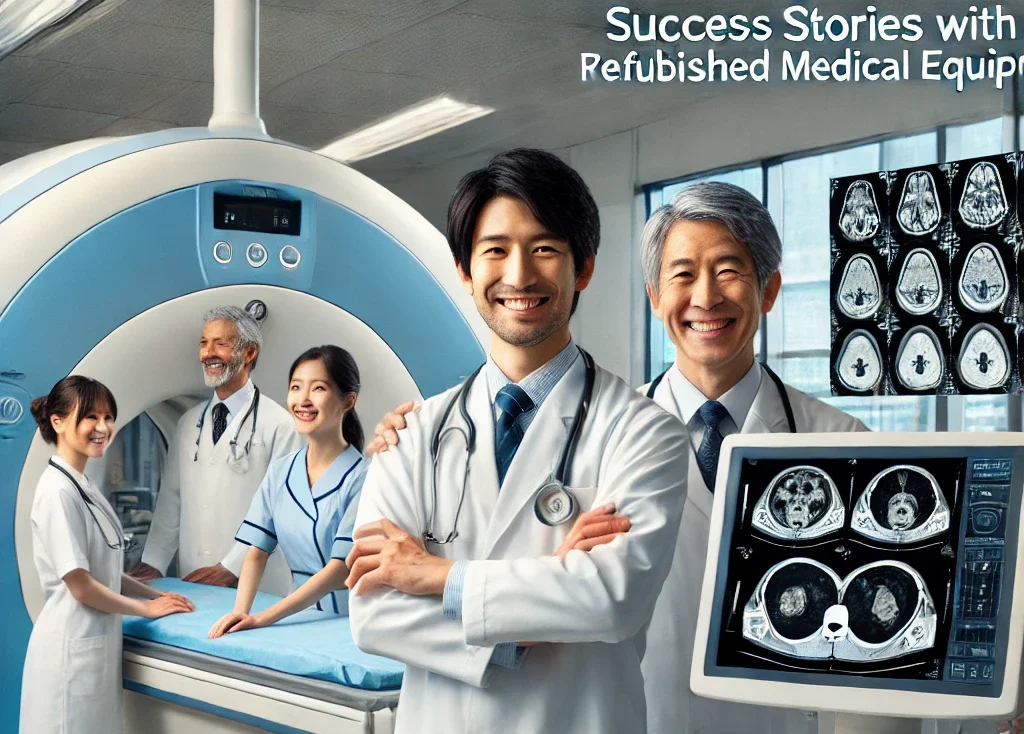
Japan, with its aging population and tightly regulated healthcare system, provides a compelling case for refurbished equipment. A private diagnostic center in Osaka faced budget constraints when planning to upgrade its imaging capabilities. Instead of purchasing a new MRI scanner—priced at over ¥150 million (approximately $1 million USD)—the center opted for a refurbished unit from a trusted Japanese supplier like Bond Japan, costing just ¥70 million.
Installed in 2024, the refurbished MRI performed comparably to new models, thanks to updated software and rigorous reconditioning. The center reported a 30% increase in patient throughput due to faster scan times, recouping its investment within a year. This success underscored how refurbished equipment aligns with Japan’s need for cost-efficient, high-quality care, allowing facilities to serve more patients without straining finances.
3. Expanding Capacity in a U.S. Community Hospital
In the United States, a mid-sized community hospital in Texas faced a surge in demand for critical care during the post-pandemic recovery of 2022. Needing additional patient monitors but limited by a tight budget, the hospital turned to refurbished multi-parameter monitors sourced from a certified refurbisher. Priced at $8,000 each compared to $20,000 for new units, the hospital acquired 15 monitors—doubling its ICU capacity—for less than half the cost of new equipment.
The refurbished monitors, restored to OEM standards, provided reliable vital sign tracking, enabling the hospital to manage a spike in respiratory and cardiac cases. Staff praised the seamless integration with existing systems, and the hospital avoided debt while maintaining care quality. This case illustrates how refurbished devices can be a lifeline for facilities adapting to unexpected demand.
4. Ophthalmic Innovation in India
A private eye clinic in Mumbai transformed its practice by investing in a refurbished ophthalmic laser system in 2023. With new systems costing upwards of $100,000 USD, the clinic opted for a reconditioned unit at $45,000 from an international supplier like JAPAN CENTRAL MEDICAL. Used for procedures like cataract surgery and retinal repairs, the laser delivered precision comparable to new models, thanks to meticulous refurbishment and a software upgrade.
Within a year, the clinic increased its surgical volume by 25%, serving a growing population of elderly patients with affordable eye care. The success not only boosted revenue but also enhanced the clinic’s reputation, proving that refurbished equipment can drive specialty care in competitive markets.
5. Disaster Response in the Philippines
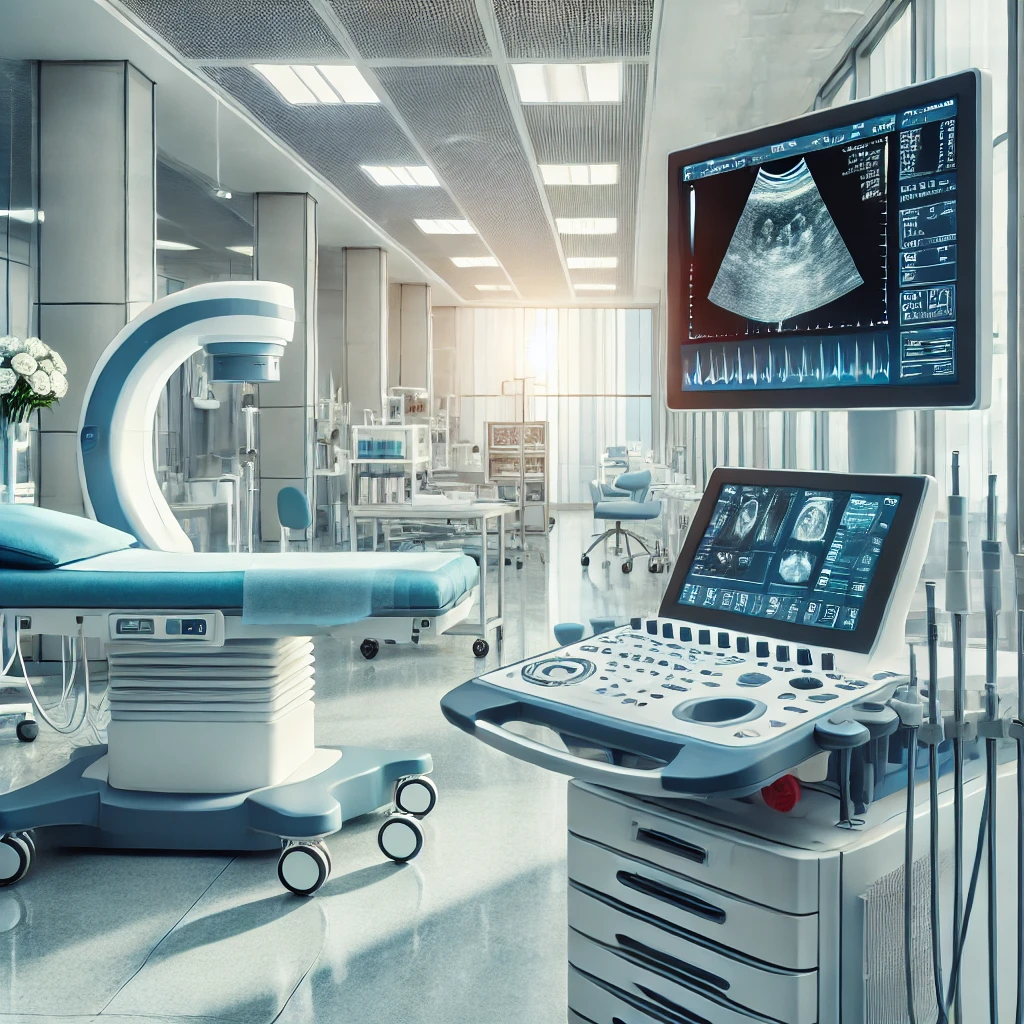
When Typhoon Carina struck the Philippines in 2024, a regional hospital in Leyte lost much of its diagnostic equipment to flooding. Facing urgent needs but limited funds, the hospital partnered with a refurbisher to acquire a used ultrasound system and X-ray machine at a fraction of new prices. Delivered within weeks, the refurbished devices—complete with warranties—enabled the hospital to resume essential imaging services during the crisis.
The ultrasound aided in trauma assessments, while the X-ray machine diagnosed fractures and chest conditions among survivors. This rapid deployment showcased how refurbished equipment can support disaster recovery, providing immediate solutions when time and resources are critical.
Why These Stories Matter
These success stories highlight the versatility and value of refurbished medical equipment across diverse settings. Cost savings—often 30-60% compared to new devices—enable facilities to stretch budgets further, whether for routine upgrades or emergency needs. Quality assurance, backed by refurbishers’ testing and warranties, ensures that patient outcomes remain uncompromised. Moreover, the sustainability of reusing equipment resonates with healthcare’s growing emphasis on eco-friendly practices.
For rural hospitals, refurbished devices bring advanced care to remote areas. In urban centers, they allow providers to scale services competitively. In emergencies, they offer quick, affordable solutions. The common thread? Refurbished equipment empowers healthcare providers to do more with less, fostering resilience and innovation.
Looking Ahead
As the refurbished medical device market grows—projected to reach $24 billion USD by 2029—these success stories will multiply. Technological upgrades, stricter regulations, and broader acceptance will further elevate their impact. For healthcare leaders considering refurbished options, these examples offer a blueprint: invest wisely, partner with reputable suppliers, and prioritize maintenance to unlock the full potential of reconditioned equipment.
Conclusion
From Kenya to Japan, the U.S. to India, and the Philippines, refurbished medical equipment is rewriting healthcare narratives. These success stories demonstrate that with the right approach, refurbished devices deliver not just savings but also hope, access, and excellence. As 2025 approaches, their role in shaping a more equitable and efficient healthcare future is undeniable—a testament to the power of innovation born from necessity.