Tag: Cost-effective medical devices

  • The Future of Affordable Healthcare: Japanese Refurbished Medical Devices

    The Future of Affordable Healthcare: Japanese Refurbished Medical Devices

    Introduction

    The global healthcare landscape is constantly evolving, with a growing demand for cost-effective yet high-quality medical equipment. One of the most promising solutions to address this challenge is the adoption of refurbished medical devices, particularly those originating from Japan. Japanese refurbished medical devices are renowned for their superior quality, rigorous regulatory compliance, and affordability. As healthcare systems worldwide strive to improve accessibility without compromising on quality, the future of affordable healthcare is increasingly being shaped by these high-standard refurbished medical technologies.

    The Growing Need for Affordable Healthcare

    Healthcare costs have been rising exponentially, driven by factors such as aging populations, technological advancements, and increased demand for specialized treatments. Many developing and underdeveloped nations struggle to provide adequate healthcare due to financial constraints. Even in developed countries, hospitals and clinics seek cost-saving measures without sacrificing quality. Refurbished medical devices present a viable solution, offering state-of-the-art technology at a fraction of the cost of new equipment.

    Why Japanese Refurbished Medical Devices?

    Japan is globally recognized for its technological advancements, precision engineering, and stringent quality standards. When medical equipment in Japan reaches the end of its initial usage cycle, it undergoes extensive refurbishment processes that restore it to near-original condition. Several factors make Japanese refurbished medical devices a preferred choice for global healthcare institutions:

    1. High-Quality Standards – Japan adheres to some of the strictest regulatory and quality assurance protocols in the medical industry. Refurbished equipment is meticulously inspected, repaired, and upgraded to meet international safety and efficacy standards.
    2. Cost-Effectiveness – Purchasing new medical equipment can be financially burdensome, particularly for hospitals in low-resource settings. Refurbished devices can provide substantial cost savings while delivering comparable performance.
    3. Sustainability and Environmental Benefits – The refurbishment process reduces electronic waste, conserves resources, and minimizes the carbon footprint associated with manufacturing new medical devices. As the world moves toward sustainable healthcare solutions, refurbished equipment aligns with eco-friendly practices.
    4. Advanced Technological Features – Japanese medical devices are typically embedded with cutting-edge technology. Even after refurbishment, these devices retain superior functionality, ensuring that hospitals and clinics have access to modern diagnostic and treatment tools.

    Regulatory Compliance and Safety Assurance

    One of the primary concerns surrounding refurbished medical devices is their reliability and safety. Japan’s medical regulatory framework ensures that all refurbished equipment meets stringent safety and performance criteria before being reintroduced into the market. Several regulatory agencies, including the Pharmaceuticals and Medical Devices Agency (PMDA) and the Ministry of Health, Labour and Welfare (MHLW), oversee the refurbishment processes.

    Additionally, many Japanese manufacturers collaborate with global certification bodies such as the U.S. Food and Drug Administration (FDA) and the European Medicines Agency (EMA) to ensure that refurbished devices comply with international healthcare standards. This guarantees that medical professionals and patients benefit from safe and effective equipment.

    Key Areas of Application

    Refurbished medical devices from Japan are widely used across multiple healthcare domains, including:

    • Diagnostic Imaging Equipment – Refurbished CT scanners, MRI machines, and ultrasound systems offer high-resolution imaging capabilities, essential for accurate diagnoses.
    • Patient Monitoring Systems – Advanced monitoring equipment ensures real-time tracking of patient vitals, crucial in intensive care units (ICUs) and emergency departments.
    • Surgical Instruments and Endoscopy Devices – High-precision surgical tools and endoscopes play a pivotal role in minimally invasive procedures, improving patient outcomes.
    • Dialysis and Anesthesia Machines – These life-saving devices are essential for patients requiring continuous treatment, and refurbished versions make them more accessible.

    Market Trends and Future Prospects

    The refurbished medical device market is projected to grow significantly in the coming years, driven by increasing demand for cost-effective healthcare solutions. Japan’s role in this market is poised to expand as more countries recognize the benefits of refurbished equipment. Emerging markets in Asia, Africa, and Latin America, where healthcare budgets are limited, are expected to be key beneficiaries.

    Additionally, advancements in artificial intelligence (AI) and the Internet of Things (IoT) are further enhancing the functionality and reliability of refurbished devices. Predictive maintenance, remote diagnostics, and real-time data analysis are set to revolutionize how refurbished medical equipment is utilized globally.

    Conclusion

    The future of affordable healthcare is intricately linked to the adoption of Japanese refurbished medical devices. Their cost-effectiveness, high quality, environmental sustainability, and regulatory compliance make them an invaluable asset to healthcare institutions worldwide. As healthcare providers seek innovative ways to optimize resources while maintaining superior patient care, embracing refurbished medical technology from Japan will play a critical role in shaping a more accessible and efficient healthcare system for the future.
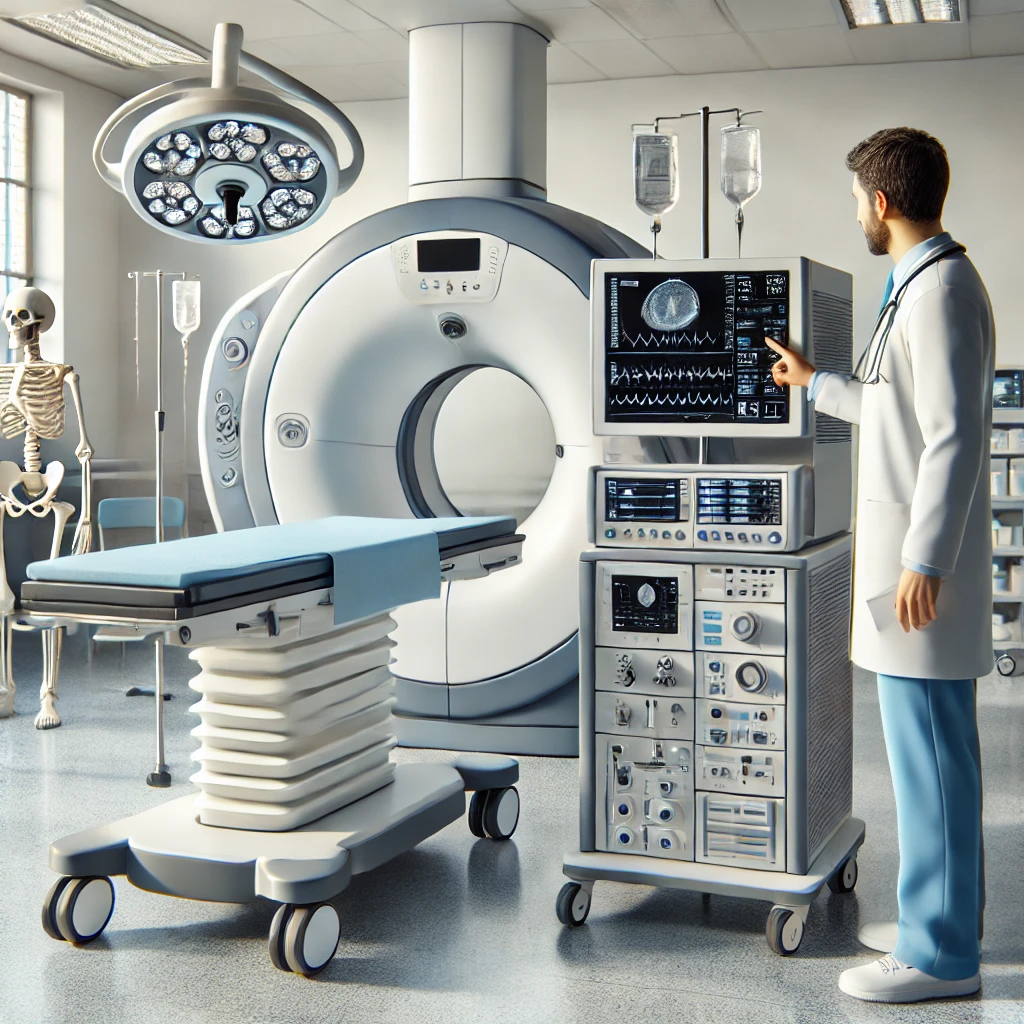
  • Refurbished Medical Equipment: A Cost-Effective Solution for Modern Healthcare

    Refurbished Medical Equipment: A Cost-Effective Solution for Modern Healthcare

    Introduction

    In the ever-evolving healthcare industry, hospitals, clinics, and medical institutions face the constant challenge of balancing quality patient care with financial sustainability. Medical equipment, which plays a crucial role in diagnostics, treatment, and patient monitoring, represents a significant investment. However, with the rising costs of healthcare and technological advancements, many institutions are turning to refurbished medical equipment as a viable and cost-effective alternative. This article explores the benefits, challenges, and considerations associated with refurbished medical equipment and its impact on modern healthcare.

    Understanding Refurbished Medical Equipment

    Refurbished medical equipment refers to previously owned devices that have undergone rigorous testing, repair, and reconditioning to meet manufacturer and regulatory standards. These devices may include imaging systems, surgical instruments, patient monitors, and laboratory equipment. The refurbishment process typically involves:

    • Inspection and Diagnosis – Identifying any defects or wear and tear.
    • Repair and Replacement – Fixing or replacing faulty components.
    • Calibration and Testing – Ensuring accuracy and compliance with industry standards.
    • Aesthetic Restoration – Cleaning and repainting to restore the equipment’s appearance.
    • Certification and Quality Assurance – Ensuring the equipment meets safety and performance standards before resale.

    Advantages of Refurbished Medical Equipment

    1. Cost Savings

    One of the primary reasons healthcare facilities opt for refurbished equipment is the significant cost savings. Refurbished devices can be up to 30-70% cheaper than new ones, allowing institutions to allocate funds to other critical areas such as staffing, patient care, and research.

    2. Quality and Reliability

    Contrary to misconceptions, high-quality refurbished medical equipment performs comparably to new devices. Reputable vendors follow strict refurbishment protocols, ensuring that the equipment meets or exceeds original manufacturer specifications.

    3. Environmental Sustainability

    Refurbishing and reusing medical equipment contribute to reducing electronic waste and environmental pollution. By extending the lifecycle of medical devices, healthcare institutions play a role in promoting sustainable practices.

    4. Faster Availability

    The procurement process for new medical equipment can be time-consuming due to manufacturing lead times and supply chain constraints. Refurbished equipment is often readily available, allowing healthcare providers to quickly acquire essential devices.

    5. Access to Advanced Technology

    With rapid advancements in medical technology, newer models are frequently introduced. By purchasing refurbished equipment, healthcare facilities can afford advanced technology that may have been financially out of reach if purchased new.

    Challenges and Considerations

    Despite its advantages, investing in refurbished medical equipment requires careful consideration of several factors to ensure optimal performance and patient safety.

    1. Vendor Credibility and Certification

    Not all refurbishment processes adhere to industry standards. Healthcare institutions must source equipment from reputable vendors who provide certification, warranties, and post-sale support.

    2. Regulatory Compliance

    Different countries and regions have regulations governing the use of refurbished medical equipment. It is essential to ensure compliance with local health authorities and certification requirements.

    3. Limited Warranty and Support

    While refurbished equipment is generally reliable, warranties and support services may be limited compared to new devices. Institutions should negotiate warranty terms and assess the availability of spare parts.

    4. Compatibility and Integration

    Healthcare facilities should evaluate whether the refurbished equipment is compatible with their existing systems and infrastructure to avoid integration issues.

    5. Future-Proofing Investments

    Technology evolves rapidly, and healthcare providers must consider the longevity and upgrade potential of refurbished devices to avoid premature obsolescence.

    The Future of Refurbished Medical Equipment

    The demand for refurbished medical equipment is expected to grow as healthcare institutions seek cost-effective solutions without compromising quality. Manufacturers and third-party refurbishers are continuously improving their processes to enhance the reliability and safety of these devices. Additionally, global initiatives promoting circular economies and sustainable healthcare practices are encouraging the adoption of refurbished equipment.

    Conclusion

    Refurbished medical equipment presents a practical and economical alternative for healthcare facilities striving to balance quality patient care with budgetary constraints. By choosing high-quality refurbished devices from trusted vendors, institutions can access advanced technology, reduce costs, and contribute to environmental sustainability. As the healthcare industry continues to evolve, refurbished medical equipment will play an increasingly vital role in ensuring efficient and accessible medical services worldwide.