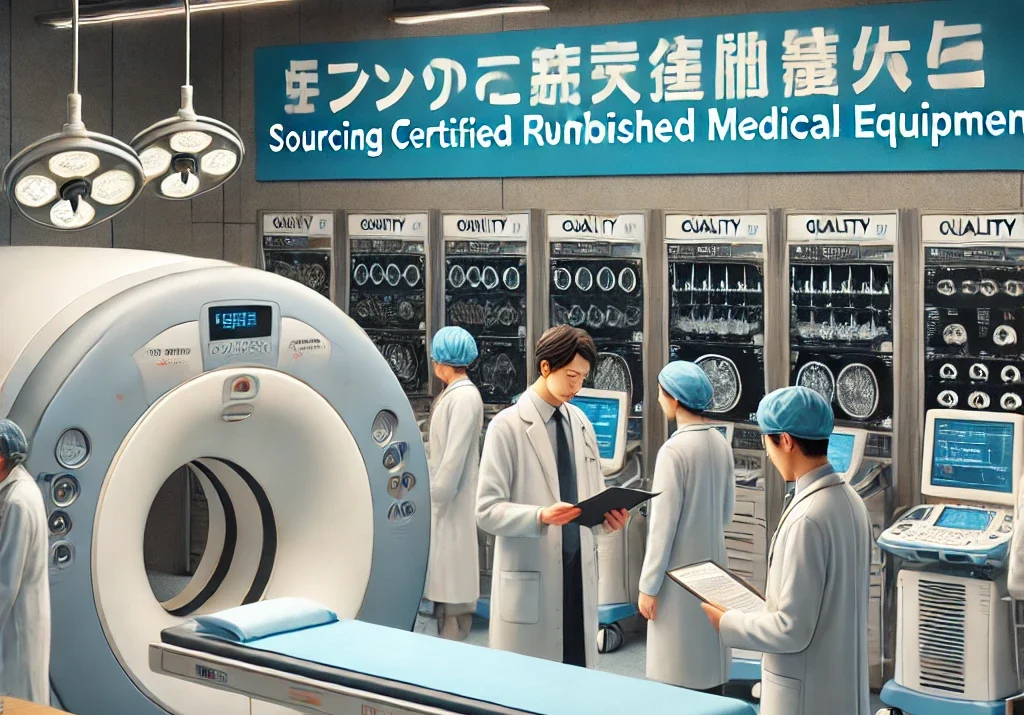
In today’s healthcare landscape, balancing quality patient care with budget constraints is a constant challenge. Certified refurbished medical equipment offers a compelling solution, delivering high-performance tools at a fraction of the cost of new devices. Whether it’s a refurbished MRI scanner, surgical instruments, or patient monitors, these items can enhance a facility’s capabilities without breaking the bank. However, sourcing certified refurbished equipment requires careful planning to ensure safety, compliance, and reliability. This step-by-step guide walks healthcare providers through the process of acquiring certified refurbished medical equipment, from defining needs to final integration, ensuring a seamless and confident purchase.
Step 1: Define Your Needs and Budget
The first step in sourcing refurbished medical equipment is to clearly identify your facility’s requirements. What specific devices are needed—diagnostic imaging systems, surgical tools, or monitoring devices? Consider the clinical applications, patient volume, and the level of technology required. For instance, a rural clinic may need a reliable ultrasound machine for basic diagnostics, while a surgical center might prioritize a refurbished laparoscopic system.
Next, establish a budget. Refurbished equipment typically costs 30-70% less than new devices, but prices vary based on brand, condition, and complexity. Factor in not just the purchase price but also installation, training, and ongoing maintenance costs. Defining these parameters upfront narrows your search and ensures you target equipment that aligns with both clinical and financial goals.
Step 2: Research Reputable Suppliers
Not all refurbished equipment is created equal, and the supplier you choose plays a critical role in ensuring quality and certification. Look for vendors with a strong reputation in the medical refurbishment industry. Companies like Bond Japan, GE Healthcare (through its GoldSeal program), or Siemens Healthineers are known for their rigorous refurbishment processes and certified products. Check for suppliers with experience in your specific equipment type—some specialize in imaging systems, while others focus on surgical tools.
Verify the supplier’s credentials. Are they registered with regulatory bodies like the FDA (in the U.S.) or certified under ISO 13485, the international standard for medical device quality management? Online reviews, industry forums, and recommendations from peers can also provide insight into a supplier’s reliability. A reputable vendor will offer transparency about their refurbishment process and certifications.
Step 3: Confirm Certification and Regulatory Compliance
Certification is the hallmark of trustworthy refurbished equipment. Certified devices have been restored to meet original manufacturer specifications and comply with local and international regulations. Depending on your region, this might include FDA approval (U.S.), CE marking (EU), or PMD Act compliance (Japan). Ask the supplier for documentation proving certification, such as a Certificate of Conformance or refurbishment report.
Ensure the equipment meets your country’s regulatory standards. For example, a device refurbished in Japan may comply with PMDA requirements but still need FDA clearance for use in the U.S. Request details on the refurbishment process—how parts were replaced, how sterilization was performed, and what tests were conducted. This step safeguards patient safety and protects your facility from legal risks.
Step 4: Evaluate Equipment Condition and History
Once you’ve identified potential suppliers and confirmed certification, dive into the specifics of the equipment. Request a detailed history of the device, including its original manufacture date, prior usage, and refurbishment details. Was it sourced from a hospital trade-in, surplus inventory, or a lease return? Understanding its background helps assess its remaining lifespan and reliability.
Ask about the refurbishment extent. Were worn components replaced with OEM (original equipment manufacturer) parts? Was software updated? For complex systems like CT scanners, inquire about calibration and performance testing. Reputable suppliers often provide “before and after” reports or photos to demonstrate the refurbishment quality. If possible, request a serial number to trace the device’s journey.
Step 5: Request Documentation and Warranties
Comprehensive documentation is non-negotiable when sourcing certified refurbished equipment. This should include:
-
- A refurbishment certificate outlining the process and compliance.
-
- Test results verifying performance and safety.
-
- User manuals and maintenance guidelines.
-
- A warranty statement detailing coverage duration and terms.
Warranties for refurbished equipment typically range from 6 months to 2 years, shorter than those for new devices but still a critical safety net. Clarify what the warranty covers—parts, labor, or both—and the supplier’s support process for repairs or replacements. Strong documentation and warranty terms reflect the supplier’s confidence in their product and provide peace of mind.
Step 6: Arrange a Demonstration or Trial
Seeing is believing, especially with refurbished equipment. Request a live demonstration or, if feasible, a trial period to assess the device in action. For smaller items like surgical instruments, this might involve inspecting samples; for larger systems like an MRI, a virtual demo or site visit may suffice. Test key metrics—image clarity for imaging devices, precision for surgical tools, or accuracy for monitors—to ensure they meet your standards.
If a demo isn’t possible, ask for references from other buyers who’ve used the same model. Their feedback can validate the equipment’s performance and the supplier’s service quality. This hands-on evaluation minimizes the risk of surprises after purchase.
Step 7: Negotiate Pricing and Terms
With your due diligence complete, it’s time to finalize the deal. Refurbished equipment prices are often negotiable, especially if buying in bulk or from a supplier eager to move inventory. Compare quotes from multiple vendors to ensure competitive pricing, but don’t sacrifice quality for the lowest bid. Discuss payment terms—some suppliers offer financing or lease-to-own options, easing the financial burden.
Clarify delivery timelines, shipping costs, and installation support. For complex devices, confirm whether the supplier provides technician assistance or training for your staff. Lock in these details in a written contract to avoid misunderstandings.
Step 8: Receive, Inspect, and Integrate
Upon delivery, inspect the equipment immediately. Cross-check it against the documentation—serial numbers, condition, and included accessories—to ensure everything matches your agreement. Perform an in-house test to verify functionality before integrating it into clinical use. For high-stakes devices, involve biomedical engineers to certify safety and performance.
Once approved, train staff on proper operation and maintenance, using the provided manuals or supplier-led sessions. Establish a maintenance schedule to prolong the equipment’s lifespan and ensure ongoing compliance with regulatory standards.
Conclusion
Sourcing certified refurbished medical equipment is a strategic process that blends research, evaluation, and collaboration. By defining needs, partnering with reputable suppliers, and verifying certification, healthcare providers can secure reliable devices that enhance care without straining budgets. Each step—from assessing condition to final integration—builds confidence in the equipment’s quality and compliance. With this guide, facilities can navigate the refurbishment market effectively, unlocking the benefits of cost-effective, certified solutions for years to come.
