Introduction
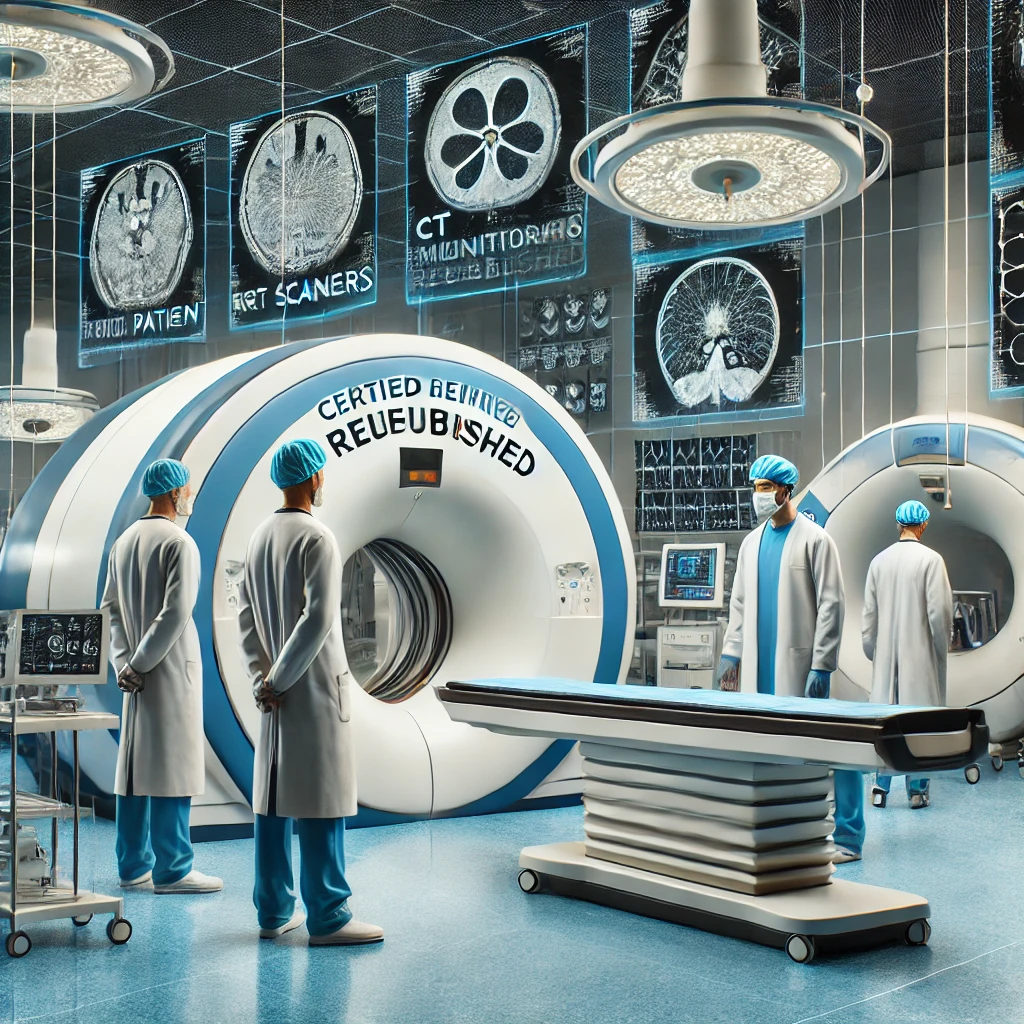
The demand for high-quality, cost-effective healthcare solutions has led to a significant rise in the adoption of certified refurbished medical equipment. These devices offer hospitals, clinics, and healthcare providers an alternative to new equipment while ensuring compliance with global healthcare standards. By undergoing rigorous refurbishing processes, certified medical equipment meets stringent quality, safety, and performance benchmarks, making them a reliable choice for medical institutions worldwide.
The Certification Process and Compliance
Certified refurbished medical equipment undergoes a comprehensive refurbishment process to restore functionality, safety, and reliability. This process includes:
- Initial Inspection and Decontamination
- All devices undergo thorough inspection and decontamination to remove biological contaminants and ensure safe handling.
- Component Testing and Replacement
- Faulty or outdated components are identified and replaced with certified parts to restore the equipment to its original manufacturer specifications.
- Software Upgrades and Calibration
- Software updates are installed, and calibration is performed to ensure accuracy in diagnostics and treatments.
- Quality Assurance and Certification
- After refurbishment, the equipment undergoes rigorous testing to meet standards set by regulatory bodies such as the U.S. Food and Drug Administration (FDA), European Conformity (CE) marking, International Electrotechnical Commission (IEC), and ISO 13485:2016.
Meeting Global Healthcare Standards
Certified refurbished medical equipment aligns with international healthcare standards in various aspects, including:
1. Regulatory Compliance
Healthcare organizations must adhere to national and international regulatory frameworks. Certified refurbished equipment meets compliance standards set by:
- FDA (U.S.) – Ensures safety and effectiveness through rigorous evaluations.
- CE Mark (Europe) – Confirms adherence to European health, safety, and environmental requirements.
- ISO 13485:2016 – Establishes a globally accepted quality management system for medical devices.
- WHO Prequalification (Global) – Ensures the equipment meets World Health Organization’s specifications for medical use in different regions.
2. Cost-Effectiveness Without Compromising Quality
New medical equipment can be costly, especially for developing healthcare systems. Certified refurbished equipment offers:
- Up to 50% savings compared to new equipment.
- Extended warranties ensuring reliability and performance.
- Access to high-end technology at an affordable price, bridging healthcare gaps in underfunded regions.
3. Sustainability and Environmental Responsibility
The refurbishment of medical equipment significantly contributes to sustainability by:
- Reducing electronic waste that would otherwise end up in landfills.
- Minimizing resource consumption, as refurbishing uses fewer materials compared to manufacturing new devices.
- Lowering carbon footprint, aligning with global environmental initiatives.
4. Reliable Performance and Patient Safety
Certified refurbished medical devices provide healthcare professionals with reliable tools for accurate diagnosis and treatment. They undergo:
- Multiple rounds of testing before approval for use.
- Strict compliance with original equipment manufacturer (OEM) specifications.
- Comprehensive documentation, including maintenance and service records, to ensure traceability and accountability.
Common Types of Certified Refurbished Medical Equipment
Refurbished medical equipment spans various categories, including:
- Imaging Equipment: MRI machines, CT scanners, X-ray machines, and ultrasound devices.
- Patient Monitoring Systems: ECG monitors, pulse oximeters, and blood pressure monitors.
- Surgical and Laboratory Instruments: Endoscopes, microscopes, and infusion pumps.
- Dialysis Machines: Essential for renal care in hospitals and clinics.
- Respiratory Equipment: Ventilators and anesthesia machines, crucial for critical care.
The Future of Refurbished Medical Equipment
As global healthcare systems continue to evolve, the demand for certified refurbished medical equipment is expected to grow. Factors driving this trend include:
- Advancements in refurbishment technology, ensuring higher quality and efficiency.
- Increasing healthcare accessibility needs in emerging markets.
- Greater awareness of sustainability and cost-effective solutions.
- Support from regulatory bodies in promoting refurbished equipment as a viable alternative to new devices.
Conclusion
Certified refurbished medical equipment is a crucial component in modern healthcare, offering a cost-effective, reliable, and sustainable solution while adhering to global healthcare standards. With stringent certification processes, compliance with international regulations, and a strong focus on performance and patient safety, refurbished medical equipment provides healthcare institutions with the confidence to deliver quality medical care. As technology advances, the refurbished medical equipment sector will continue to play a vital role in shaping the future of global healthcare.
