Introduction
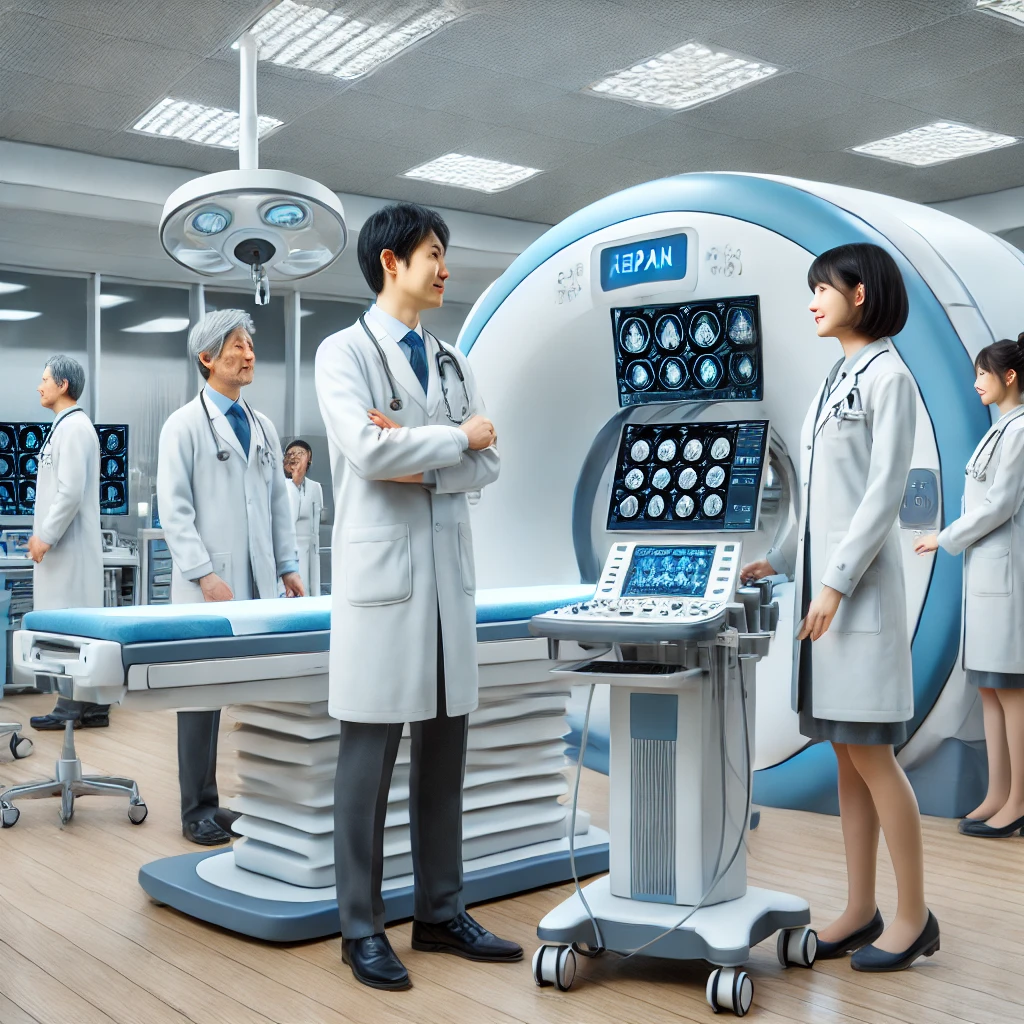
The healthcare industry in Japan is evolving rapidly, driven by technological advancements and increasing demand for cost-effective medical solutions. With rising healthcare costs and the need for high-quality medical equipment, refurbished medical devices have emerged as a viable option. In 2025, Japan’s refurbished medical equipment market is expected to grow significantly, offering hospitals, clinics, and healthcare providers a smart and sustainable choice. This article explores the benefits, regulatory framework, market trends, and key considerations for investing in refurbished medical equipment in Japan.
What is Refurbished Medical Equipment?
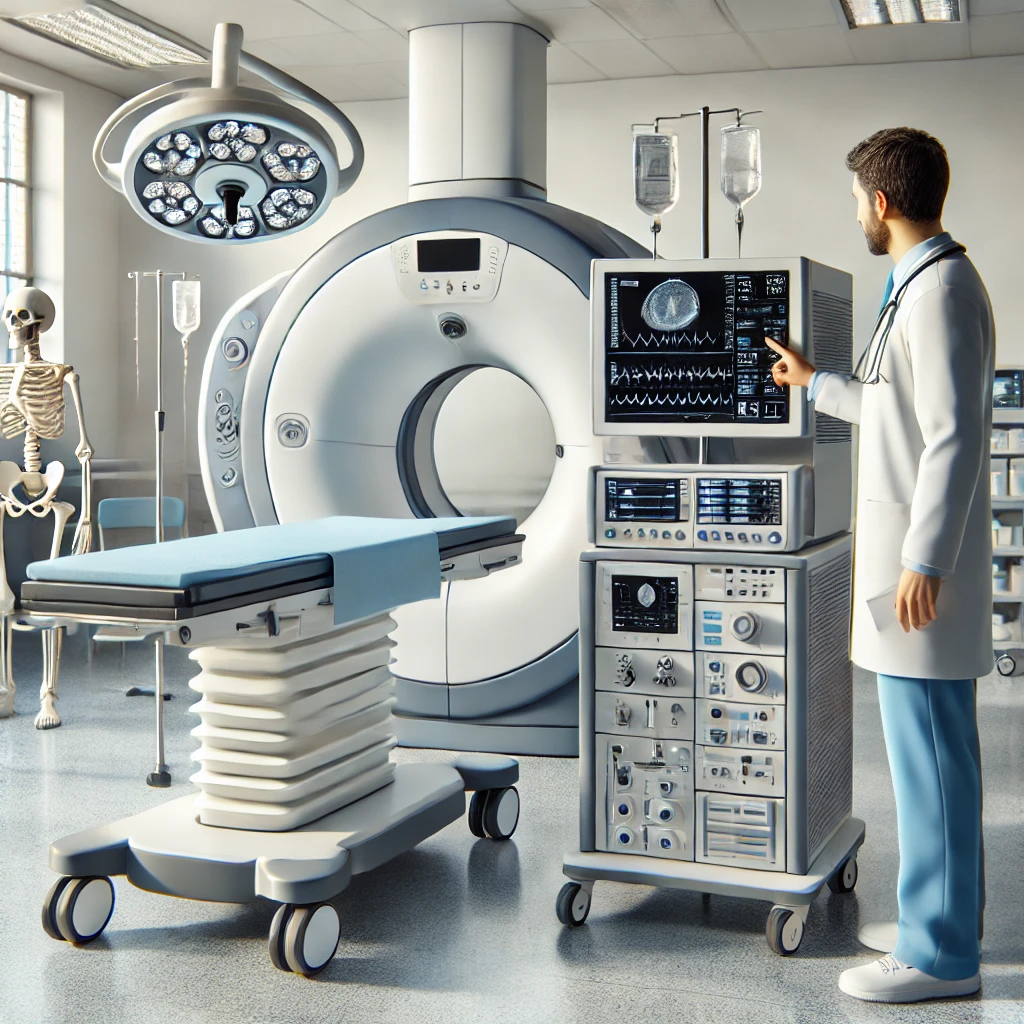
Refurbished medical equipment refers to pre-owned medical devices that have been restored to their original manufacturer specifications. These devices undergo rigorous testing, repairs, and quality assurance processes to ensure they function like new. The refurbishment process may include disassembly, replacement of worn-out components, recalibration, software updates, and final testing. These devices are then certified for resale, often at a fraction of the cost of new equipment.
Benefits of Refurbished Medical Equipment
1. Cost Savings
One of the primary advantages of refurbished medical equipment is affordability. Hospitals and healthcare facilities can acquire high-quality equipment at 30–70% lower costs compared to new devices. This is particularly beneficial for small clinics, rural hospitals, and new healthcare startups that need to optimize their budgets.
2. High-Quality Performance
Reputable refurbishing companies follow stringent quality control procedures to ensure that the equipment meets or exceeds original manufacturer standards. Many refurbished devices are backed by warranties and service agreements, providing assurance of their reliability and performance.
3. Environmental Sustainability
By choosing refurbished medical equipment, healthcare facilities contribute to environmental conservation. The process of refurbishing extends the lifecycle of medical devices, reducing electronic waste and lowering the carbon footprint associated with manufacturing new equipment.
4. Accessibility to Advanced Technology
Many refurbished devices come from leading manufacturers and include advanced technological features. Healthcare providers can access cutting-edge medical technology without the high price tag, ensuring better patient care and improved diagnostic capabilities.
Market Trends in Japan
The demand for refurbished medical equipment in Japan is on the rise due to several key factors:
- Aging Population: With one of the world’s oldest populations, Japan requires more medical devices for diagnosis and treatment, making cost-effective solutions essential.
- Government Support for Cost Reduction: The Japanese government has implemented policies to reduce healthcare expenditures, encouraging hospitals to consider refurbished equipment.
- Growth of Private Healthcare Facilities: Increasing numbers of private hospitals and clinics are adopting refurbished medical devices to remain competitive while managing costs.
- Technological Advancements in Refurbishing: Innovations in refurbishing processes, such as AI-driven diagnostics and 3D printing for component replacement, are enhancing the reliability of refurbished equipment.
Regulatory Framework for Refurbished Medical Equipment in Japan
Japan has stringent regulations for medical equipment, including refurbished devices. The Pharmaceuticals and Medical Devices Agency (PMDA) oversees the approval and certification of medical equipment to ensure safety and efficacy. Key regulatory aspects include:
- Compliance with PMDA Standards: Refurbished devices must meet strict safety and performance standards before they can be resold.
- Manufacturer and Supplier Certifications: Only certified refurbishing companies can process and sell medical equipment in Japan.
- Proper Labeling and Documentation: Each refurbished device must come with detailed records of refurbishment, testing, and performance validation.
- Warranty and After-Sales Support: Many refurbished medical equipment suppliers offer service agreements, ensuring continued maintenance and operational efficiency.
Key Considerations When Purchasing Refurbished Medical Equipment
Healthcare providers in Japan should consider the following factors when investing in refurbished medical devices:
- Source and Certification: Choose a reputable supplier with certified refurbishment processes and a strong track record in the industry.
- Warranty and Support: Ensure the equipment comes with a comprehensive warranty and access to maintenance services.
- Compatibility and Upgradability: Verify that the refurbished equipment is compatible with existing systems and can be upgraded with future advancements.
- Regulatory Compliance: Confirm that the device meets all Japanese healthcare regulations and PMDA requirements.
- Cost-Benefit Analysis: Evaluate the long-term cost savings compared to new equipment, including potential maintenance and operational costs.
Future Outlook and Conclusion
The refurbished medical equipment market in Japan is poised for significant growth in 2025 and beyond. As healthcare providers seek cost-effective, high-quality solutions, refurbished medical devices present an attractive alternative to new purchases. With strong regulatory oversight, advancements in refurbishing technology, and increasing demand, investing in refurbished medical equipment is a smart choice for hospitals and clinics looking to optimize their budgets without compromising on quality.
By embracing refurbished medical equipment, Japan’s healthcare sector can achieve greater financial sustainability while ensuring access to advanced medical technology. This trend is expected to continue as more healthcare providers recognize the value and reliability of refurbished medical devices, making them an integral part of Japan’s evolving healthcare landscape.