Tag: Refurbished medical devices Japan

  • How Refurbished Medical Equipment Can Save Your Hospital Money

    How Refurbished Medical Equipment Can Save Your Hospital Money

    In the ever-evolving landscape of healthcare, hospitals in Japan face the dual challenge of delivering top-tier medical services while managing tight budgets. With Japan’s aging population driving demand for advanced healthcare and the country’s well-regarded universal health insurance system keeping costs in check, hospitals must find innovative ways to optimize resources. One increasingly popular solution is the use of refurbished medical equipment. By integrating refurbished medical devices into their operations, Japanese hospitals can achieve significant cost savings without compromising quality. This article explores how refurbished medical equipment can benefit hospitals in Japan, focusing on cost efficiency, sustainability, and practical applications.

    The Rising Cost of Healthcare in Japan

    Japan’s healthcare system is renowned for its efficiency and accessibility, providing equitable care through the National Health Insurance (NHI) and Social Health Insurance (SHI) programs. However, the system isn’t without its pressures. An aging demographic—coupled with a high demand for diagnostic and treatment technologies like MRI scanners, CT machines, and ultrasound systems—has put financial strain on hospitals. New medical equipment often comes with a hefty price tag, and for small- to medium-sized facilities, purchasing state-of-the-art devices outright can be prohibitive. This is where refurbished medical equipment offers a compelling alternative.

    Refurbished medical devices are pre-owned machines that have been restored to full functionality by manufacturers or certified third-party providers. These devices undergo rigorous testing, repairs, and updates to meet original safety and performance standards, often at a fraction of the cost of new equipment. For Japanese hospitals looking to balance quality care with fiscal responsibility, this option is gaining traction.

    Cost Savings: A Game-Changer for Hospitals

    The most immediate benefit of refurbished medical equipment is its affordability. In Japan, where healthcare providers face strict reimbursement pricing controls under the NHI, keeping operational costs low is critical. A new MRI machine, for instance, can cost upwards of ¥100 million (approximately $700,000 USD), while a refurbished model might be available for 30-50% less. Similarly, refurbished X-ray machines, endoscopes, and patient monitors offer substantial savings, allowing hospitals to allocate funds elsewhere—such as hiring skilled staff or upgrading facilities.

    For example, a small community hospital in rural Japan might struggle to justify the expense of a new CT scanner. By opting for a refurbished unit, the hospital can provide essential diagnostic services to its patients without incurring crippling debt. This cost-effectiveness is particularly appealing to private clinics and diagnostic imaging centers, which make up a significant portion of Japan’s healthcare ecosystem and often operate on tighter budgets than large public institutions.

    Quality Assurance and Reliability

    One common concern about refurbished equipment is whether it can match the performance of new devices. In Japan, where precision and reliability are paramount in healthcare, this is a valid question. Fortunately, the refurbishment process is highly regulated. Companies like Fair Medical Co. Ltd., a Japanese firm specializing in refurbished medical equipment, ensure that devices are meticulously restored, with worn parts replaced and software updated to meet current standards. Many refurbished units also come with warranties, providing hospitals with peace of mind.

    The Japanese market has seen growing acceptance of refurbished devices, particularly for high-demand equipment like medical imaging systems. Hospitals can acquire refurbished MRI or ultrasound machines that perform comparably to new models, enabling them to maintain high standards of care while staying within budget. This blend of quality and affordability aligns well with Japan’s healthcare ethos of delivering “necessary and adequate” services at a reasonable cost.

    Sustainability: A Green Approach to Healthcare

    Beyond financial benefits, refurbished medical equipment supports sustainability—a priority in Japan, where environmental consciousness is deeply ingrained. By extending the lifespan of medical devices, hospitals reduce waste and the demand for raw materials needed to produce new equipment. This eco-friendly approach resonates with Japan’s broader societal push toward greener practices, enhancing a hospital’s reputation as a responsible community partner.

    For instance, refurbishing an operating room’s surgical equipment rather than discarding it minimizes the environmental footprint of healthcare delivery. As Japan navigates the challenges of an aging population and limited resources, such sustainable strategies are increasingly vital.

    Practical Applications in Japan’s Healthcare System

    Refurbished medical equipment is versatile, catering to a range of needs across Japan’s hospitals. Medical imaging devices, such as X-ray machines and CT scanners, are among the most commonly refurbished items due to their high cost and frequent use. Cardiology equipment, like defibrillators and ECG monitors, also benefits from refurbishment, supporting Japan’s efforts to address cardiovascular diseases—a leading health concern identified by the Office of Healthcare Policy.

    In rural areas, where access to advanced healthcare can be limited, refurbished equipment offers a lifeline. A refurbished ultrasound system, for example, can bring diagnostic capabilities to underserved regions without the prohibitive costs of new technology. Meanwhile, urban hospitals can use refurbished intensive care equipment or patient monitors to expand capacity during peak demand, such as flu seasons or public health crises.

    Overcoming Challenges

    Despite its advantages, the adoption of refurbished medical equipment in Japan faces hurdles. Stringent regulations on imports and a cultural preference for new technology can slow uptake. Additionally, some administrators worry about the perception of “second-hand” devices among patients. However, as awareness grows—bolstered by success stories and data showing no compromise in safety or efficacy—these barriers are diminishing. Education and transparency about the refurbishment process can further build trust among stakeholders.

    The Future of Refurbished Equipment in Japan

    The global refurbished medical equipment market is projected to grow significantly, with estimates suggesting it could reach $24 billion USD by 2029. Japan, as the world’s third-largest medical device market, is well-positioned to capitalize on this trend. With companies like Shimadzu Corporation and international players like Siemens Healthineers expanding their refurbishment offerings, the supply of high-quality refurbished devices is increasing.

    For Japanese hospitals, integrating refurbished equipment into their procurement strategies offers a practical path to financial stability and enhanced care delivery. As the healthcare system evolves to meet the needs of an aging population, refurbished medical devices provide a cost-effective, sustainable, and reliable solution—proving that innovation doesn’t always require starting from scratch.

    In conclusion, refurbished medical equipment is more than a budget-friendly option; it’s a strategic tool for Japanese hospitals to thrive in a competitive and resource-constrained environment. By embracing this approach, healthcare providers can save money, reduce waste, and continue delivering world-class care—all while keeping pace with Japan’s unique healthcare demands.
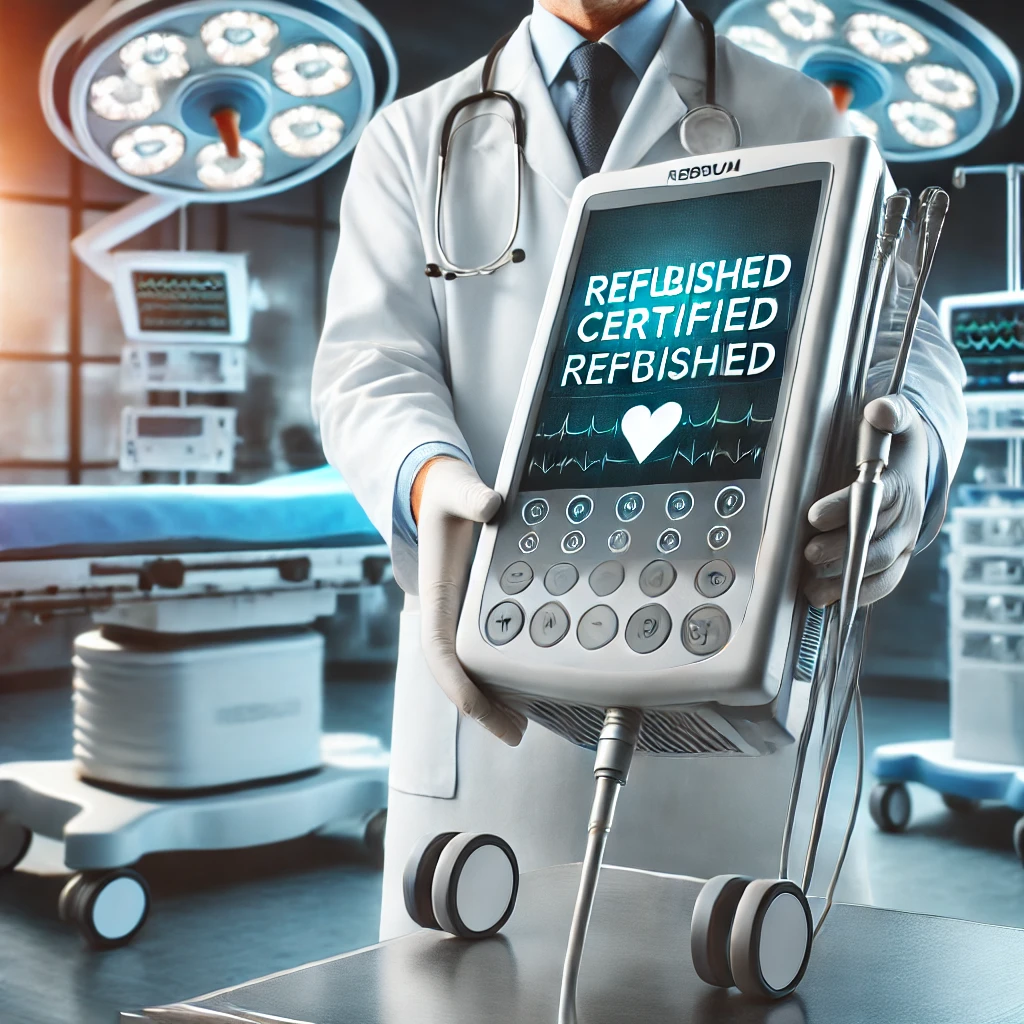
  • Ensuring Patient Safety with Certified Refurbished Medical Equipment

    Ensuring Patient Safety with Certified Refurbished Medical Equipment

    Ensuring Patient Safety with Certified Refurbished Medical Equipment

    In the fast-evolving healthcare landscape, ensuring patient safety is paramount. Healthcare providers are constantly seeking ways to provide top-quality care while managing operational costs. One solution that has gained considerable attention is the use of certified refurbished medical equipment. Refurbished equipment, when properly inspected and restored, can offer a viable alternative to purchasing new devices, all while maintaining safety standards and reducing financial burdens.

    The Growing Popularity of Refurbished Medical Equipment

    Medical equipment is essential for diagnosing, monitoring, and treating patients. However, the cost of brand-new medical devices can be prohibitively expensive for many healthcare facilities, especially smaller practices, clinics, and non-profit organizations. This is where refurbished medical equipment comes into play. Certified refurbished devices undergo a stringent process of inspection, testing, and restoration to meet the original manufacturer’s specifications.

    Refurbishing medical equipment has become an increasingly popular choice in the healthcare industry, particularly as hospitals and clinics strive to make efficient use of resources. According to the World Health Organization, more than 50% of medical equipment in low-income countries is not functioning. Refurbishing and certifying medical devices before reuse can help bridge this gap and improve patient care while addressing financial constraints.

    Why Certified Refurbished Equipment Matters

    The term “refurbished” often carries some skepticism. Healthcare professionals and administrators may worry about the reliability and safety of pre-owned medical equipment. However, when equipment is certified refurbished, these concerns are mitigated. Certification ensures that the equipment has undergone a thorough refurbishment process, which may include:

    • Inspection and Testing: Every part of the equipment is inspected for wear and functionality. Technicians perform a series of tests to ensure that the device performs as expected, adhering to the manufacturer’s standards.
    • Replacement of Faulty Parts: Parts that show signs of wear and tear or could pose safety risks are replaced with new, high-quality components.
    • Cleaning and Sterilization: Medical devices must meet stringent hygiene standards to ensure they do not pose any risk to patient health. Certified refurbished equipment undergoes a thorough cleaning and sterilization process.
    • Recalibration: Devices are recalibrated to ensure their accuracy and reliability, which is crucial in healthcare settings.
    • Warranty and Support: Certified refurbished equipment often comes with a warranty and customer support, which ensures that any issues arising after purchase are promptly addressed.

    By purchasing certified refurbished equipment, healthcare facilities can ensure they are providing safe and reliable devices for patient care, without the financial strain of buying new equipment.

    Patient Safety and Refurbished Medical Devices

    Patient safety is the primary concern in any healthcare setting, and medical equipment plays a significant role in ensuring the delivery of safe, high-quality care. Whether it’s an infusion pump, patient monitor, defibrillator, or ventilator, the functionality of medical equipment directly impacts patient outcomes. While new devices are often preferred, certified refurbished equipment has the potential to meet or even exceed the safety standards required by regulatory bodies.

    Several factors make certified refurbished equipment a safe choice:

    1. Quality Assurance and Compliance: Certified refurbished equipment meets rigorous quality assurance standards. Reputable refurbishers adhere to regulations set by regulatory agencies like the U.S. Food and Drug Administration (FDA) or the European Medicines Agency (EMA). This ensures that the equipment is safe for use in a clinical setting.

    2. Cost-Effectiveness Without Compromising Safety: Certified refurbished devices offer the same level of performance as new devices but at a significantly reduced cost. For healthcare providers, this means they can equip their facilities with top-quality devices without compromising patient safety or care.

    3. Proven Track Record of Performance: Many certified refurbished devices are older models, which have been used in healthcare settings for years. These devices have a proven track record, and refurbishers know exactly what parts may need replacing or maintenance, ensuring reliability and patient safety.

    4. Expertise in Refurbishment: Refurbishers are highly skilled professionals who specialize in restoring medical equipment. They use original parts, follow strict procedures, and test devices thoroughly. These refurbishing practices help ensure that the equipment adheres to manufacturer specifications and functions as intended.

    Regulatory Standards and Certifications

    When considering refurbished medical equipment, it is essential to ensure that the refurbisher follows recognized industry standards. Some of the key certifications and regulatory standards include:

    • ISO 13485 Certification: This international standard for medical device quality management systems ensures that manufacturers and refurbishers meet the necessary regulatory requirements and quality standards for medical equipment.
    • FDA Approval: In the U.S., refurbished medical devices that are intended for clinical use must meet FDA standards. The FDA regulates medical devices to ensure that they are safe and effective for use.
    • CE Marking: For refurbished medical equipment sold in the European Union, CE marking indicates that the equipment meets safety and performance standards required by EU law.

    These certifications assure healthcare facilities that refurbished medical equipment is compliant with local and international safety regulations.

    The Role of Refurbished Equipment in Healthcare Facilities

    Healthcare facilities, ranging from small private practices to large hospitals, have diverse needs when it comes to medical equipment. Certified refurbished equipment plays a significant role in addressing these needs:

    • Budget Constraints: Many healthcare facilities are under budget constraints but still need to provide high-quality care. Certified refurbished equipment allows them to equip their facilities with essential devices without overextending their financial resources.
    • Expanding Access to Care: Refurbished equipment makes it easier for healthcare facilities in developing countries or underserved areas to provide medical care. These devices help bridge the gap between demand and supply, improving healthcare accessibility.
    • Sustainability: By opting for refurbished equipment, healthcare providers contribute to environmental sustainability. Refurbishing and reusing medical equipment reduces waste and prevents the disposal of functional devices, making it an eco-friendly choice.

    Conclusion

    Ensuring patient safety is at the heart of every healthcare decision, and selecting certified refurbished medical equipment is no exception. With proper certification, refurbishment processes, and adherence to regulatory standards, these devices provide a safe and cost-effective alternative to brand-new equipment. Healthcare facilities that choose certified refurbished equipment can ensure the safety and well-being of their patients while managing costs and contributing to sustainability.

    For healthcare providers looking to make informed decisions, certified refurbished medical equipment offers a reliable solution. By investing in trusted refurbishers and ensuring compliance with industry standards, medical institutions can continue to prioritize patient safety without compromising on quality or cost-effectiveness.