Tag: Refurbished medical devices

  • Regulatory Compliance for Refurbished Medical Devices

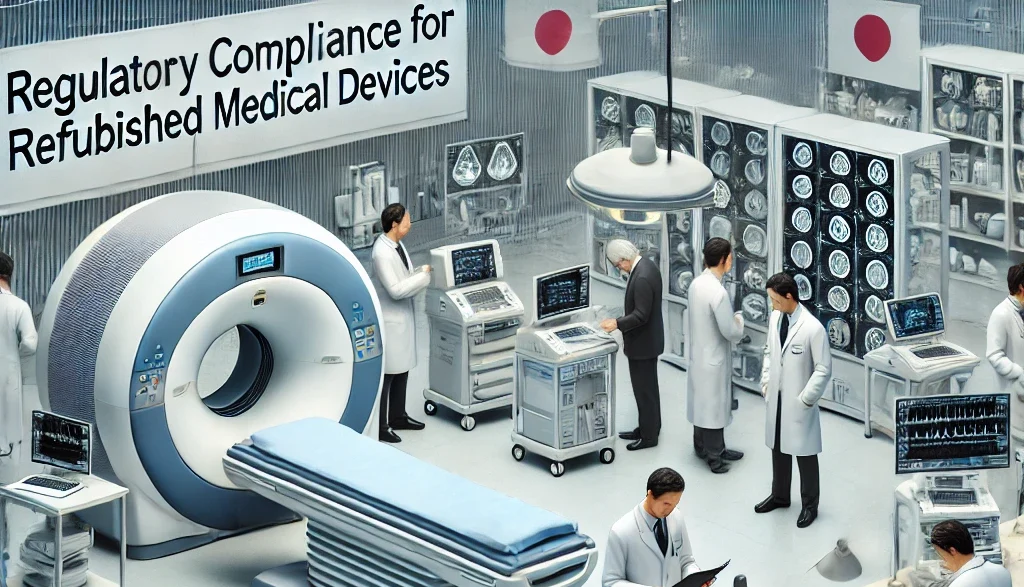
    Regulatory Compliance for Refurbished Medical Devices

    Refurbished medical devices have surged in popularity as a cost-effective and sustainable alternative to brand-new equipment, offering healthcare providers access to high-quality tools at a fraction of the cost. From refurbished surgical instruments to imaging systems, these devices promise performance and reliability—provided they meet stringent regulatory standards. However, ensuring compliance with local and international regulations is a complex process that demands diligence from refurbishers, suppliers, and end-users alike. This article explores the regulatory landscape for refurbished medical devices, the key standards governing their use, the challenges involved, and best practices to ensure safety and legality in healthcare settings worldwide.

    The Importance of Regulatory Compliance

    Medical devices—whether new or refurbished—are critical tools in patient care, where precision, safety, and efficacy are non-negotiable. Regulatory compliance ensures that refurbished devices meet the same performance and safety benchmarks as their new counterparts, protecting patients, clinicians, and healthcare institutions from risks like equipment failure, contamination, or inaccurate diagnostics. Non-compliance can lead to severe consequences, including legal penalties, financial losses, and harm to patients, making adherence to regulations a top priority.

    Unlike new devices, which are regulated straight from the manufacturer, refurbished devices involve additional layers of oversight. They must be restored to a condition that satisfies original design specifications while complying with current standards—a process that varies by country and region. Understanding these regulations is essential for refurbishers to maintain credibility and for healthcare providers to make informed purchasing decisions.

    Key Regulatory Frameworks Worldwide

    The regulatory landscape for refurbished medical devices differs globally, reflecting diverse healthcare priorities, economic conditions, and legal systems. Below are some of the most prominent frameworks:

      1. United States: FDA Oversight
        In the U.S., the Food and Drug Administration (FDA) classifies refurbished medical devices as “reprocessed” or “remarketed” devices under the Federal Food, Drug, and Cosmetic Act. Refurbishers are considered manufacturers and must register with the FDA, adhering to Quality System Regulation (QSR) standards (21 CFR Part 820). This includes requirements for design control, testing, labeling, and adverse event reporting. For high-risk devices (e.g., pacemakers or ventilators), a 510(k) premarket notification may be required to demonstrate equivalence to the original device. The FDA also mandates strict sterilization and validation processes to eliminate infection risks.
      1. European Union: MDR Compliance
        The EU’s Medical Device Regulation (MDR), effective since May 2021, governs refurbished devices under Regulation (EU) 2017/745. Entities that “fully refurbish” devices—restoring them to original performance levels—are treated as manufacturers, requiring CE marking to signify compliance. This involves a conformity assessment, technical documentation, and adherence to safety and performance requirements. Unlike the U.S., the EU allows refurbished devices to be remarketed under the original CE mark in some cases, provided refurbishment is minimal and documented appropriately. Post-market surveillance and vigilance reporting are also mandatory.
      1. Japan: PMD Act Standards
        Japan regulates refurbished medical devices under the Pharmaceuticals and Medical Devices Act (PMD Act), overseen by the Pharmaceuticals and Medical Devices Agency (PMDA). Refurbishers must obtain marketing authorization and comply with Good Quality Practice (GQP) and Good Vigilance Practice (GVP) standards. Japan’s rigorous approach ensures that refurbished devices meet the same safety and efficacy criteria as new ones, with a focus on traceability and quality control. Given Japan’s reputation for precision, its refurbished devices often set a high bar globally.
      1. Other Regions
        In countries like India, refurbished devices fall under the Medical Device Rules, 2017, requiring import licenses and compliance with ISO 13485 standards. Developing nations may have less stringent regulations, often adopting frameworks like the WHO’s guidelines for medical device donations, which emphasize functionality and safety. Harmonization efforts, such as those by the International Medical Device Regulators Forum (IMDRF), aim to standardize requirements globally, but variations persist.

    Challenges in Ensuring Compliance

    Navigating regulatory compliance for refurbished medical devices presents several challenges:

      • Diverse Standards: Differing regulations across regions complicate global trade. A device compliant in the EU may not meet FDA requirements, requiring refurbishers to tailor processes for each market.
      • Documentation Gaps: Refurbishers must provide detailed records of a device’s history, refurbishment process, and testing—information that may be incomplete for older or surplus equipment.
      • Risk Classification: Determining whether a refurbished device retains its original risk class (e.g., Class II vs. Class III) can be contentious, affecting the level of scrutiny required.
      • Sterilization and Safety: Ensuring devices are free of contaminants or defects demands advanced techniques, especially for complex systems like endoscopes or ventilators.
      • Perception and Trust: Regulatory compliance alone may not overcome skepticism from healthcare providers wary of “used” equipment, necessitating transparency and certification.

    The Refurbishment Process and Compliance

    To meet regulatory standards, refurbishers follow a structured process:

      1. Sourcing: Devices are acquired from credible sources, such as hospitals or manufacturers, with documented histories where possible.
      1. Assessment: Each device is inspected for wear, damage, or obsolescence, ensuring it can be restored to original specifications.
      1. Restoration: Worn parts are repaired or replaced using OEM components, and software is updated if applicable.
      1. Sterilization: Devices undergo rigorous cleaning and sterilization to eliminate biological hazards, adhering to standards like ISO 17664.
      1. Testing: Performance, safety, and accuracy are verified through calibration and validation, often exceeding original factory tests.
      1. Certification and Labeling: Compliance is documented, and devices are labeled with refurbishment details, serial numbers, and regulatory approvals.

    In regions like Japan or the EU, this process is underpinned by ISO 13485, a globally recognized quality management standard for medical devices, ensuring consistency and traceability.

    Best Practices for Healthcare Providers

    Healthcare facilities purchasing refurbished devices must take proactive steps to ensure compliance:

      • Vet Suppliers: Choose refurbishers with certifications (e.g., ISO 13485, FDA registration) and a proven track record. Reputable firms like Bond Japan or GE Healthcare’s refurbishment division are reliable options.
      • Verify Documentation: Request refurbishment records, test results, and regulatory certificates to confirm compliance.
      • Check Local Regulations: Ensure the device meets the importing country’s standards, not just the refurbisher’s home jurisdiction.
      • Perform In-House Testing: Validate performance and safety upon receipt, especially for critical applications like surgery or diagnostics.
      • Maintain Records: Document the device’s use and maintenance for regulatory audits or liability purposes.

    The Future of Regulatory Compliance

    As refurbished medical devices grow in demand—driven by cost pressures and sustainability goals—regulatory frameworks are evolving. The IMDRF and WHO are pushing for harmonized standards to simplify compliance across borders. Emerging technologies, such as AI-driven diagnostics or 3D-printed components, may also prompt updates to existing regulations, requiring refurbishers to adapt. Meanwhile, increased transparency, such as blockchain-based traceability, could enhance trust and streamline verification.

    Conclusion

    Regulatory compliance for refurbished medical devices is a cornerstone of their safe and effective use in healthcare. While the process is complex, adherence to standards like those of the FDA, EU MDR, or Japan’s PMD Act ensures that these devices deliver reliable performance at a lower cost. For refurbishers, compliance builds credibility; for healthcare providers, it safeguards patient care. By understanding the regulatory landscape and partnering with trusted suppliers, facilities can confidently integrate refurbished devices into their operations, balancing quality, affordability, and legality in an ever-demanding industry.

  • New vs. Refurbished Medical Devices: Making the Decision

    New vs. Refurbished Medical Devices: Making the Decision

    In the fast-evolving world of healthcare, medical devices play a critical role in ensuring accurate diagnostics, effective treatments, and improved patient outcomes. However, acquiring these devices—whether cutting-edge surgical tools, imaging systems, or patient monitors—presents a significant financial decision for healthcare providers. Should you invest in brand-new equipment with the latest features, or opt for refurbished devices that promise cost savings without sacrificing quality? The choice between new and refurbished medical devices is complex, influenced by factors like budget, functionality, reliability, and long-term goals. This article explores the key differences, advantages, and considerations to help healthcare facilities make an informed decision.

    Understanding New Medical Devices

    New medical devices are fresh from the manufacturer, untouched by prior use, and equipped with the latest technology. These devices—whether a state-of-the-art MRI scanner, a robotic surgery system, or a high-resolution ultrasound machine—represent the pinnacle of innovation. They come with full warranties, manufacturer support, and the assurance of pristine condition.

    The appeal of new devices lies in their cutting-edge features. For instance, a new CT scanner might offer enhanced imaging resolution or faster processing speeds, while a new surgical robot could include advanced AI integration for precision. These advancements can translate to better patient care, improved diagnostic accuracy, and streamlined workflows. Additionally, new devices often comply with the latest regulatory standards, reducing compliance risks for healthcare providers.

    However, the biggest drawback is cost. New medical devices can range from thousands to millions of dollars, depending on their complexity. For example, a new da Vinci Surgical System can exceed $1.5 million, not including maintenance, training, and accessory costs. For many hospitals, clinics, or practices—especially those in resource-limited settings—this price tag is prohibitive, forcing them to weigh the benefits against their budget constraints.

    Understanding Refurbished Medical Devices

    Refurbished medical devices, on the other hand, are pre-owned units that have been restored to full functionality through a meticulous process of inspection, repair, and testing. These devices may have been lightly used, returned, or retired due to upgrades, but they are brought back to near-original condition by specialized technicians. Reputable refurbishers replace worn parts, recalibrate systems, and ensure compliance with safety and performance standards before resale.

    The primary allure of refurbished devices is their affordability. Prices typically range from 30-70% lower than new equipment, making high-quality technology accessible to a broader range of healthcare providers. For instance, a refurbished MRI scanner that originally cost $1 million might be available for $400,000, offering significant savings. Refurbished devices also come with warranties—though shorter than those for new equipment—and support from suppliers, adding a layer of confidence for buyers.

    While refurbished devices may lack the very latest features, they often deliver proven performance, leveraging technology that has stood the test of time. A refurbished laparoscopic system from a trusted brand like Olympus or a restored patient monitor from Philips can still meet the demands of modern healthcare with reliability and precision.

    Comparing Key Factors

    To decide between new and refurbished medical devices, healthcare providers must evaluate several critical factors:

      1. Cost and Budget
        Budget is often the driving force behind this decision. New devices require a substantial upfront investment, which may strain finances or necessitate loans. Refurbished devices, by contrast, offer immediate savings, freeing up funds for other priorities like staffing, facility upgrades, or patient services. For smaller practices or facilities in developing regions, refurbished equipment can be a lifeline, enabling access to advanced care without financial overreach.
      1. Performance and Features
        New devices typically boast the latest innovations—faster processing, enhanced imaging, or smarter software—that can give clinicians a competitive edge. However, refurbished devices often provide sufficient functionality for most clinical needs. For example, a refurbished ultrasound machine from five years ago may not have 4D imaging, but it can still deliver high-quality 2D scans for routine diagnostics. The question is whether the latest features justify the cost for your specific use case.
      1. Reliability and Longevity
        New devices come with the assurance of no prior wear, potentially offering a longer lifespan. However, refurbished devices from reputable suppliers undergo rigorous testing to ensure reliability. A well-maintained refurbished surgical tool or imaging system can perform effectively for years, especially if sourced from a country like Japan, known for its durable, high-quality medical equipment. Maintenance history and refurbishment quality are key to assessing longevity.
      1. Warranty and Support
        New devices typically include extended warranties (often 1-5 years) and direct manufacturer support, minimizing downtime risks. Refurbished devices come with shorter warranties—usually 6 months to 2 years—provided by the refurbisher, not the original manufacturer. While this offers some protection, buyers must ensure the supplier is reputable and responsive to service needs.
      1. Regulatory Compliance
        New devices are guaranteed to meet current regulatory standards, such as those set by the FDA or Japan’s PMD Act. Refurbished devices must also comply, but their compliance depends on the refurbisher’s diligence. Purchasing from certified vendors ensures that refurbished equipment adheres to safety and performance guidelines, reducing legal and operational risks.
      1. Sustainability
        Environmental considerations are increasingly relevant in healthcare. Refurbished devices extend the lifecycle of existing equipment, reducing waste and the demand for raw materials. Choosing refurbished aligns with sustainable practices, an appealing factor for eco-conscious organizations. New devices, while innovative, contribute to higher resource consumption during production.

    Use Cases: When to Choose New or Refurbished

    The decision often hinges on the facility’s needs and goals:

      • Choose New:
          • When cutting-edge technology is essential (e.g., research hospitals pioneering new procedures).
          • For long-term investments in high-traffic settings where durability is paramount.
          • If budget constraints are minimal and compliance with the latest standards is non-negotiable.
          • Example: A tertiary care center needing a new robotic surgery system to attract top surgeons and patients.
      • Choose Refurbished:
          • When budget is a limiting factor but quality cannot be compromised.
          • For secondary or backup equipment in facilities with existing new devices.
          • In settings where proven, slightly older technology meets clinical demands (e.g., rural clinics or outpatient centers).
          • Example: A community hospital acquiring a refurbished MRI to expand diagnostic services affordably.

    Making an Informed Decision

    To choose wisely, healthcare providers should follow a structured approach:

      1. Assess Needs: Identify the specific clinical requirements and whether the latest features are necessary.
      1. Evaluate Suppliers: For new devices, research manufacturers; for refurbished, vet refurbishers for certifications, warranties, and track records.
      1. Consider Total Cost of Ownership: Factor in maintenance, training, and potential downtime alongside the purchase price.
      1. Test Performance: Request demonstrations or trial periods, especially for refurbished equipment.
      1. Plan for the Future: Weigh short-term savings against long-term goals, such as scalability or technological upgrades.

    Conclusion

    The choice between new and refurbished medical devices is not a one-size-fits-all decision—it’s a strategic balance of cost, quality, and purpose. New devices offer unmatched innovation and longevity, ideal for facilities pushing the boundaries of healthcare. Refurbished devices, however, provide a practical, sustainable alternative, delivering proven performance at a lower cost. By carefully evaluating their unique needs, budget, and operational context, healthcare providers can select the option that best supports their mission. In a field where precision and reliability are paramount, both new and refurbished devices have a vital role to play, ensuring that quality care remains within reach.

  • Future Trends in Refurbished Medical Devices

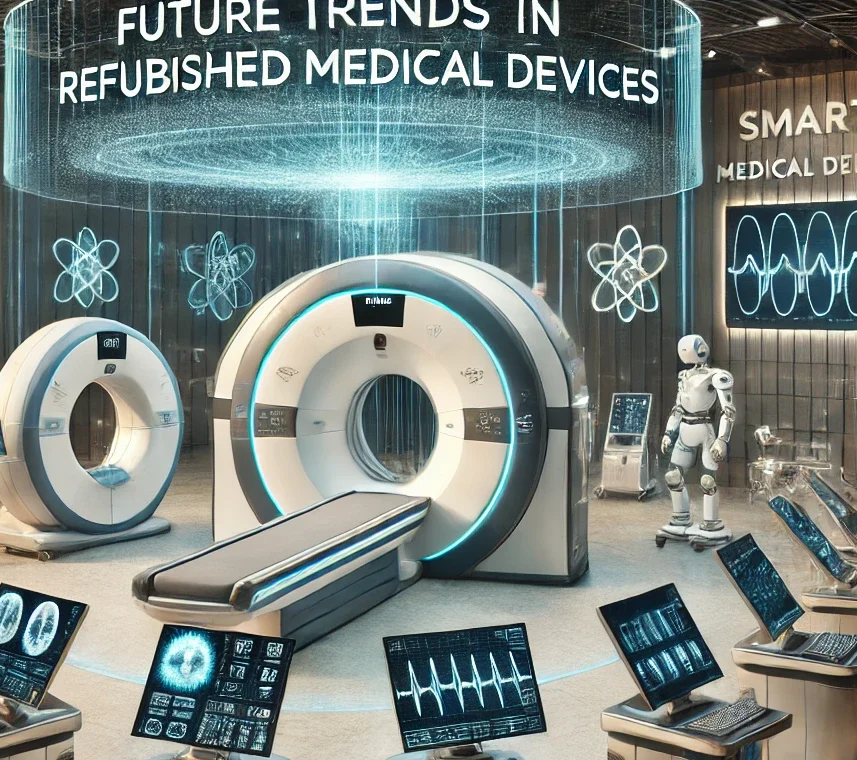
    Future Trends in Refurbished Medical Devices

    The refurbished medical devices market has emerged as a critical segment of the healthcare industry, driven by the need for cost-effective, high-quality equipment amid rising healthcare demands. As we look toward the future—particularly into 2025 and beyond—several trends are poised to shape the landscape of refurbished medical devices. From technological advancements and sustainability initiatives to evolving regulations and global market dynamics, these trends promise to enhance the value, accessibility, and appeal of refurbished equipment for hospitals, clinics, and healthcare providers worldwide. Here’s an in-depth look at the future of this burgeoning industry.

    1. Integration of Advanced Technologies

    One of the most significant trends in refurbished medical devices is the integration of cutting-edge technologies during the refurbishment process. As original equipment manufacturers (OEMs) like Siemens Healthineers, GE Healthcare, and Philips continue to innovate, refurbishers are upgrading older systems with modern features such as artificial intelligence (AI), cloud connectivity, and enhanced imaging capabilities. For instance, a refurbished MRI scanner from 2025 might include AI-driven diagnostic software that wasn’t available in its original model, improving accuracy and workflow efficiency.

    This trend allows refurbished devices to remain competitive with new equipment, bridging the gap between cost and performance. Healthcare providers benefit from access to near-state-of-the-art technology at a fraction of the price, making refurbished systems an attractive option for facilities upgrading their capabilities without massive capital investments.

    2. Growth of the Circular Economy

    Sustainability is becoming a driving force in healthcare, and refurbished medical devices are at the forefront of this shift. The circular economy model—emphasizing reuse, repair, and recycling—gains traction as hospitals and governments aim to reduce waste and carbon footprints. By refurbishing equipment like CT scanners, ultrasound machines, and patient monitors, the industry extends the lifecycle of devices that might otherwise be discarded, aligning with global environmental goals.

    Looking ahead, expect greater collaboration between refurbishers, OEMs, and healthcare providers to create standardized refurbishment protocols that maximize sustainability. In regions like Japan and the European Union, where eco-friendly practices are prioritized, this trend could lead to incentives or certifications for facilities using refurbished equipment, further boosting adoption.

    3. Expansion in Emerging Markets

    The demand for refurbished medical devices is surging in emerging markets—Africa, Southeast Asia, and Latin America—where healthcare infrastructure is expanding but budgets remain constrained. In 2025 and beyond, refurbishers will increasingly target these regions, offering cost-effective solutions like refurbished X-ray machines, ventilators, and endoscopyDW systems tailored to local needs. Companies like Bond Japan and JAPAN CENTRAL MEDICAL, already active in global exports, are well-positioned to capitalize on this trend.

    This expansion will be supported by improved logistics, such as streamlined shipping and local service networks, ensuring that refurbished equipment reaches remote or underserved areas efficiently. As these markets grow, refurbished devices will play a pivotal role in democratizing access to advanced healthcare, narrowing the gap between developed and developing regions.

    4. Stricter Regulatory Standards and Certifications

    As the refurbished medical device market matures, regulatory oversight is expected to tighten. Agencies like the U.S. Food and Drug Administration (FDA) and Japan’s Pharmaceuticals and Medical Devices Agency (PMDA) are likely to introduce more rigorous standards for refurbishment processes, quality control, and post-sale support. This trend aims to ensure patient safety and device reliability, addressing concerns about the performance of pre-owned equipment.

    In the future, certifications from third-party organizations or OEMs could become a benchmark for refurbished devices, giving buyers confidence in their purchases. For example, a refurbished ultrasound system bearing an OEM-approved seal might command higher trust and value. While this may increase costs slightly, it will enhance market credibility and encourage wider adoption across regulated healthcare systems.

    5. Rise of Subscription and Leasing Models

    Traditional outright purchases of refurbished equipment may give way to more flexible ownership models, such as subscriptions or leasing. By 2025, refurbishers and distributors could offer hospitals the ability to “rent” devices like patient monitors or MRI scanners for a monthly fee, including maintenance, upgrades, and eventual replacement. This trend reduces upfront costs and aligns with the shift toward operational expenditure (OpEx) over capital expenditure (CapEx) in healthcare budgeting.

    For smaller clinics or temporary facilities—such as those set up during public health crises—this model provides access to advanced equipment without long-term financial commitments. It also allows refurbishers to maintain a steady revenue stream while ensuring devices remain in optimal condition through regular servicing.

    6. Focus on Cybersecurity and Software Updates

    With medical devices increasingly reliant on software, cybersecurity is a growing concern. Refurbished equipment, often based on older platforms, must be updated to protect against data breaches and ensure compliance with privacy regulations like GDPR or HIPAA. In the coming years, refurbishers will prioritize integrating robust cybersecurity features—such as encrypted data transmission and regular software patches—into their offerings.

    For instance, a refurbished patient monitor from 2025 might receive firmware updates to secure networked connections, a feature not considered in its original design. This trend will be crucial as healthcare systems become more interconnected, ensuring refurbished devices remain viable in a digital-first environment.

    Conclusion

    The future of refurbished medical devices is bright, driven by innovation, sustainability, and a commitment to affordability. As technology enhances their capabilities, regulations ensure their safety, and new business models broaden their reach, refurbished equipment will become an indispensable part of the global healthcare ecosystem. By 2025, expect a market that not only saves money but also delivers advanced, eco-friendly solutions to meet the evolving needs of patients and providers. For healthcare facilities looking to stay competitive, embracing these trends in refurbished medical devices will be a strategic move toward a more efficient and equitable future.

  • How to Select Used & Refurbished Medical Devices: Factors to Consider

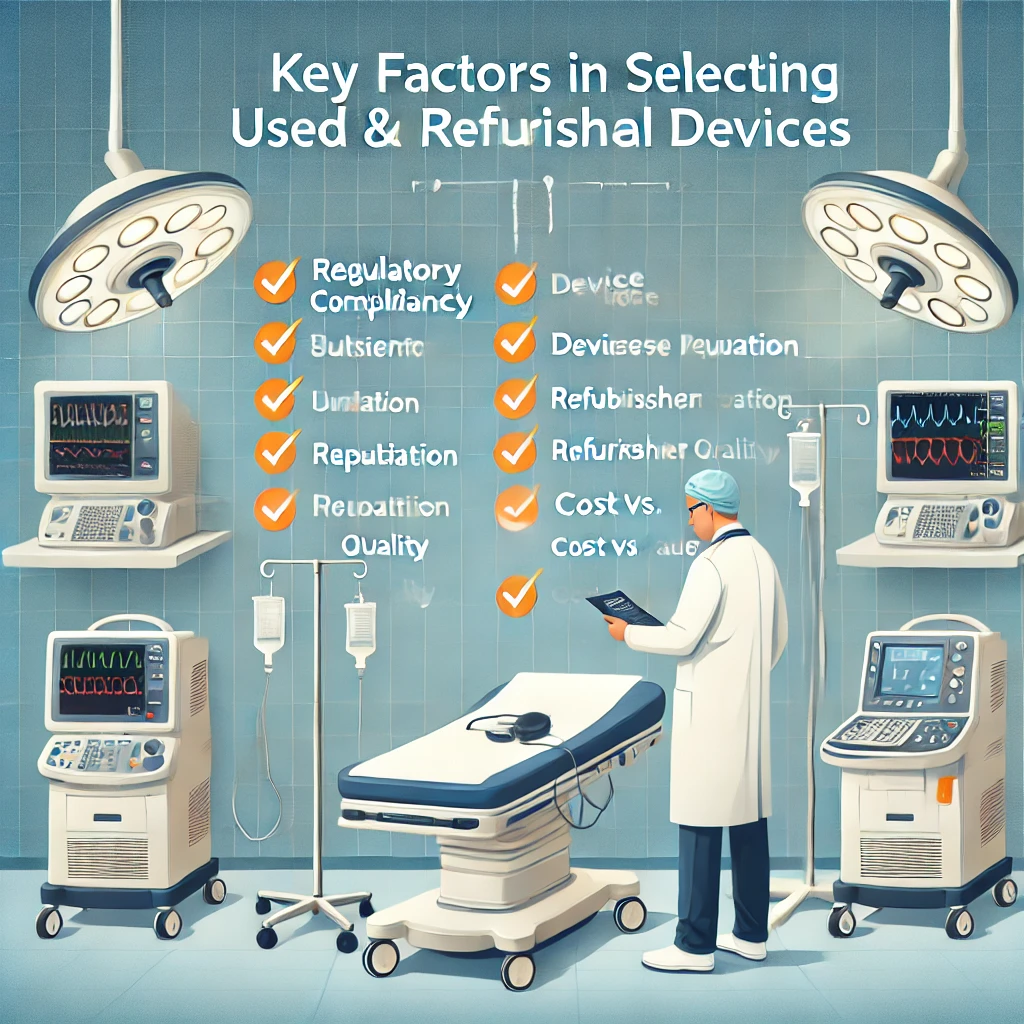
    How to Select Used & Refurbished Medical Devices: Factors to Consider

    Introduction

    Purchasing used or refurbished medical devices can be a cost-effective and sustainable solution for healthcare facilities, clinics, and private practitioners. However, selecting the right equipment requires careful evaluation to ensure safety, efficiency, and compliance with regulatory standards. This guide outlines the key factors to consider when choosing used and refurbished medical devices.

    1. Understanding the Difference: Used vs. Refurbished

    Before purchasing, it is crucial to differentiate between used and refurbished medical devices:

    • Used Medical Devices: These are previously owned and sold in their existing condition, often without repairs or upgrades.
    • Refurbished Medical Devices: These devices undergo thorough inspection, repair, recalibration, and testing to restore them to manufacturer or industry standards.

    Refurbished devices typically offer more reliability and better performance than used ones, making them a preferred choice for many healthcare providers.

    2. Compliance with Regulatory Standards

    Medical devices must comply with local and international regulations to ensure they are safe and effective. Check for certifications such as:

    • FDA (U.S. Food and Drug Administration) approval for devices used in the U.S.
    • CE Marking (Conformité Européenne) for compliance with European standards.
    • ISO 13485 Certification, which ensures adherence to quality management systems for medical devices.
    • TGA (Therapeutic Goods Administration) approval for Australian buyers.

    3. Reputation of the Seller or Supplier

    Choose a reputable supplier or vendor with a track record of providing high-quality used and refurbished medical devices. Consider:

    • Customer Reviews & Testimonials: Check online reviews or ask for references from previous buyers.
    • Certifications & Accreditation: Look for ISO-certified refurbishers and authorized dealers.
    • Warranty & Return Policy: Ensure the supplier offers a warranty or return policy for added security.

    4. Device Condition and Age

    Assess the condition of the device before purchasing:

    • Year of Manufacture: Older devices may lack necessary updates or support.
    • Usage History: Request maintenance and service records to understand previous wear and tear.
    • Remaining Lifespan: Ensure the device has sufficient functional lifespan left for your needs.

    5. Quality of Refurbishment Process

    If opting for a refurbished device, inquire about the refurbishment process. A high-quality refurbishment should include:

    • Component Replacement: Faulty or worn-out parts should be replaced.
    • Software Updates: Ensure the latest software versions and patches are installed.
    • Calibration & Testing: The device should undergo rigorous testing to confirm accuracy and reliability.
    • Cleaning & Sterilization: Especially important for devices that come into direct contact with patients.

    6. Technical Support & Maintenance Services

    Check whether the supplier offers after-sales support and maintenance services. Consider:

    • Availability of Spare Parts: Ensure that replacement parts are accessible if needed.
    • Technical Support: Look for providers that offer remote or on-site troubleshooting.
    • Maintenance Contracts: Some suppliers provide service agreements to maintain device performance.

    7. Cost vs. Value

    While cost savings are a key advantage of used and refurbished devices, focus on overall value rather than just the price:

    • Total Cost of Ownership (TCO): Factor in maintenance, repair, and operational costs.
    • Warranty & Support Services: A slightly higher upfront cost may be justified by longer warranties and better service options.
    • Return on Investment (ROI): Consider how much the device will contribute to your practice’s efficiency and profitability.

    8. Compatibility & Integration with Existing Systems

    Ensure that the refurbished or used device is compatible with your existing infrastructure:

    • Software & Data Integration: The device should be compatible with your current electronic medical records (EMR) or imaging systems.
    • Accessory & Peripheral Compatibility: Verify if the device supports necessary add-ons or accessories.

    9. Risk Assessment & Liability Considerations

    Used medical devices come with potential risks. To mitigate liability concerns:

    • Verify the Source: Ensure that the device is sourced legally and not from unauthorized resellers.
    • Check Insurance Coverage: Some insurers may have restrictions on coverage for used equipment.
    • Inspect for Recalls: Cross-check the device model against recall databases to avoid faulty equipment.

    10. Training & User Proficiency

    If the device requires specialized operation, confirm that your staff is trained or that training is available. Some suppliers offer:

    • On-site or virtual training sessions
    • User manuals and instructional videos
    • Technical support hotlines for troubleshooting

    Conclusion

    Purchasing used or refurbished medical devices can be a wise investment when done correctly. By considering factors such as regulatory compliance, refurbishment quality, supplier reputation, and long-term costs, healthcare providers can ensure they acquire reliable and safe equipment. Always conduct thorough due diligence before making a purchase to safeguard patient safety and operational efficiency.

  • How Refurbished Imaging Equipment is Revolutionizing Diagnostic Accuracy

    How Refurbished Imaging Equipment is Revolutionizing Diagnostic Accuracy

    In the ever-evolving landscape of medical diagnostics, imaging technology plays a crucial role in ensuring accurate and timely patient assessments. However, with the rising costs of medical equipment, healthcare facilities often struggle to upgrade to the latest imaging technologies. This is where refurbished imaging equipment is making a significant impact, revolutionizing diagnostic accuracy while offering cost-effective solutions.

    The Growing Demand for Refurbished Imaging Equipment

    Healthcare institutions worldwide are recognizing the benefits of refurbished imaging equipment. As hospitals, clinics, and diagnostic centers strive to maintain high-quality patient care, many are opting for professionally restored devices that provide advanced imaging capabilities without the financial strain of purchasing brand-new equipment.

    Refurbished imaging equipment, including MRI machines, CT scanners, X-ray systems, and ultrasound devices, undergoes rigorous testing and quality assurance processes to ensure they function like new. This growing demand is driven by factors such as:

    • Cost-effectiveness: Refurbished machines can cost 30-50% less than new equipment, making high-quality imaging more accessible.
    • Technological advancements: Many refurbished systems are upgraded with the latest software and components, ensuring they meet modern diagnostic standards.
    • Environmental sustainability: Reusing medical equipment reduces electronic waste and minimizes the environmental impact of manufacturing new devices.

    Enhancing Diagnostic Accuracy with Refurbished Equipment

    One of the primary concerns in the medical field is ensuring that diagnostic imaging remains accurate and reliable. Contrary to misconceptions, refurbished imaging equipment does not compromise diagnostic precision. Here’s how these systems are improving diagnostic accuracy:

    1. Rigorous Refurbishment Process

    Refurbished imaging equipment undergoes a meticulous refurbishment process that includes disassembly, replacement of worn-out components, recalibration, and software updates. Leading refurbishing companies follow stringent quality assurance protocols, often exceeding industry standards. This ensures that the machines deliver high-resolution imaging for precise diagnosis.

    2. Advanced Software Integration

    Many refurbished systems are upgraded with the latest imaging software, enhancing their ability to detect abnormalities with greater accuracy. Artificial intelligence (AI)-driven diagnostic tools are now being incorporated into refurbished machines, allowing for enhanced image analysis and more precise identification of conditions such as tumors, fractures, and vascular diseases.

    3. Improved Image Resolution and Clarity

    Older imaging machines often suffer from declining image quality over time. Through the refurbishment process, imaging systems are restored to their original performance levels or better. High-resolution imaging contributes to early disease detection, improving patient outcomes and reducing the likelihood of misdiagnosis.

    4. Cost-Effective Access to High-End Technology

    Many healthcare facilities in developing regions struggle to afford brand-new imaging equipment. Refurbished machines bridge this gap by providing cost-effective access to high-quality diagnostic tools. This ensures that more patients receive accurate diagnoses and timely medical interventions, ultimately improving global healthcare standards.

    Real-World Impact on Healthcare Facilities

    Several hospitals and diagnostic centers have successfully integrated refurbished imaging equipment into their operations, resulting in significant benefits:

    • Small and mid-sized clinics can expand their diagnostic capabilities without stretching their budgets.
    • Rural healthcare centers gain access to advanced imaging technologies, reducing the need for patients to travel long distances for diagnostic tests.
    • Specialized medical practices can invest in multiple imaging modalities, improving their ability to diagnose complex conditions.

    For example, a community hospital in Texas recently upgraded its radiology department with refurbished MRI and CT scanners. The investment allowed the facility to enhance diagnostic accuracy while reallocating funds to other critical areas, such as patient care and medical research.

    Overcoming Misconceptions About Refurbished Equipment

    Despite the proven benefits, some healthcare providers hesitate to invest in refurbished imaging equipment due to common misconceptions:

    • Perceived lower quality: Modern refurbishment processes ensure that these systems function as efficiently as new ones.
    • Limited lifespan: Many refurbished machines come with warranties and service agreements, ensuring longevity and reliability.
    • Lack of manufacturer support: Certified refurbishing companies provide technical support and maintenance services, similar to new equipment providers.

    The Future of Refurbished Imaging Equipment

    As medical technology continues to advance, the refurbishment industry is also evolving. Future trends indicate an increase in AI integration, cloud-based imaging storage, and enhanced interoperability between refurbished systems and existing hospital networks.

    Additionally, regulatory bodies such as the FDA and ISO are establishing stricter guidelines for refurbished medical equipment, further boosting confidence in its reliability and safety.

    Conclusion

    Refurbished imaging equipment is playing a pivotal role in transforming healthcare by making high-quality diagnostics more accessible and cost-effective. Through rigorous quality assurance, advanced software integration, and enhanced imaging capabilities, these systems are revolutionizing diagnostic accuracy without compromising patient care. As the healthcare industry continues to embrace sustainable and budget-friendly solutions, refurbished imaging equipment will remain a key driver in the future of medical diagnostics.