Tag: Refurbished medical equipment

  • Maintenance Tips for Refurbished Medical Devices

    Maintenance Tips for Refurbished Medical Devices

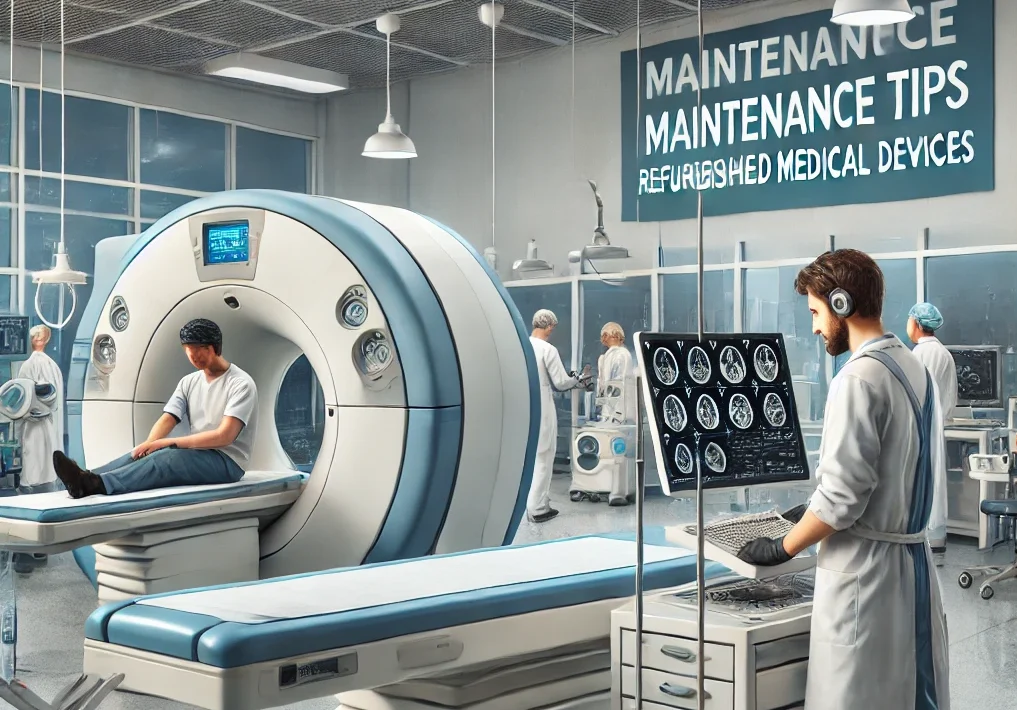
    Refurbished medical devices offer hospitals, clinics, and healthcare providers a cost-effective alternative to purchasing brand-new equipment. These pre-owned systems—such as MRI scanners, ultrasound machines, patient monitors, and endoscopes—are restored to meet original manufacturer standards, providing reliable performance at a fraction of the cost. However, to ensure their longevity, accuracy, and safety, proper maintenance is essential. Unlike new equipment, refurbished devices may have unique considerations due to their prior use. Below are expert maintenance tips to keep refurbished medical devices in top condition, maximizing their value and ensuring optimal patient care.

    1. Follow Manufacturer Guidelines and Service Schedules

    Every medical device, whether new or refurbished, comes with manufacturer-specific maintenance recommendations. For refurbished equipment, adhering to these guidelines is critical to preserve functionality and comply with safety regulations. Upon acquisition, obtain the device’s service manual—either from the refurbisher or the original equipment manufacturer (OEM)—and review its recommended maintenance intervals, calibration procedures, and part replacement schedules.

    For example, a refurbished CT scanner might require quarterly calibration of its imaging sensors, while an ultrasound machine may need annual transducer checks. Schedule regular preventive maintenance with certified technicians to address wear-and-tear components like belts, filters, or batteries before they fail. By staying proactive, you can avoid costly downtime and ensure the device performs as expected.

    2. Train Staff on Proper Handling and Use

    The longevity of refurbished medical devices heavily depends on how they are handled daily. Improper use can accelerate wear or cause malfunctions, particularly in devices with delicate components, such as endoscopy systems or patient monitors. Invest in comprehensive training for all staff members—doctors, nurses, and technicians—who interact with the equipment.

    Training should cover operational protocols, cleaning procedures, and storage guidelines specific to each device. For instance, refurbished MRI scanners require careful attention to magnet cooling systems, while ultrasound probes must be cleaned with approved disinfectants to avoid damage. Well-trained staff reduce the risk of user error, extending the device’s lifespan and maintaining its reliability for critical healthcare tasks.

    3. Perform Regular Cleaning and Sterilization

    Refurbished medical devices, like their new counterparts, must be kept clean to prevent contamination and ensure patient safety. However, because these devices have a history of prior use, extra vigilance is warranted. Establish a routine cleaning schedule tailored to each piece of equipment, using only manufacturer-approved cleaning agents and methods.

    For example, refurbished endoscopes require meticulous cleaning and sterilization of their scopes and channels to prevent infections, while patient monitors need regular wiping of screens and sensors to remove dust and residue. Avoid harsh chemicals that could degrade refurbished components, such as plastic casings or rubber seals, which may already have some age-related wear. Consistent cleaning not only enhances safety but also preserves the device’s operational efficiency.

    4. Monitor Performance and Calibrate Regularly

    Refurbished devices may have undergone extensive reconditioning, but their performance must be monitored to detect subtle shifts that could affect diagnostic or therapeutic outcomes. Regular calibration is key to maintaining accuracy, especially for imaging systems like refurbished MRI or CT scanners, where precise measurements are non-negotiable.

    Implement a performance tracking system—manual logs or software-based monitoring—to record metrics like image quality, signal strength, or response time. Schedule calibration checks with qualified biomedical engineers, ideally in line with the refurbisher’s recommendations or industry standards (e.g., every 6-12 months for diagnostic equipment). Early detection of deviations allows for timely adjustments, preventing larger issues that could compromise patient care or lead to expensive repairs.

    5. Partner with Certified Service Providers

    While in-house maintenance teams can handle routine tasks, refurbished medical devices often require specialized expertise for repairs or part replacements. Partnering with certified service providers—preferably those recommended by the refurbisher or OEM—ensures that repairs meet regulatory and quality standards. This is particularly important in regions like Japan, where the Pharmaceuticals and Medical Devices Agency (PMDA) sets strict guidelines for medical equipment upkeep.

    For instance, a refurbished patient monitor might need a new circuit board, or an MRI system could require a helium refill for its magnet. Certified technicians have access to authentic parts and the technical know-how to address these needs without voiding warranties or certifications. Establish a service contract to streamline maintenance and gain priority support, minimizing disruptions to healthcare delivery.

    6. Store Equipment Properly When Not in Use

    Proper storage is often overlooked but plays a vital role in maintaining refurbished medical devices. Exposure to extreme temperatures, humidity, or dust can degrade components, especially in older refurbished units. Follow storage guidelines specific to each device: keep ultrasound probes in protective cases, store patient monitors away from direct sunlight, and ensure MRI or CT scanners remain in climate-controlled environments.

    For portable refurbished devices, such as defibrillators or handheld ultrasound units, use designated storage carts or cabinets to prevent accidental drops or damage. Proper storage reduces wear on moving parts and electronics, preserving the device’s condition between uses and extending its operational life.

    7. Keep Spare Parts and Software Updated

    Refurbished equipment may rely on components that are no longer in production, making spare parts a critical consideration. Work with your refurbisher or supplier to identify and stock essential spares—like X-ray tubes for CT scanners or transducers for ultrasound systems—before they become obsolete. This foresight prevents prolonged downtime if a part fails unexpectedly.

    Additionally, ensure the device’s software remains current. Refurbished systems often come with updated firmware, but ongoing patches or upgrades may be released to improve functionality or address security vulnerabilities. Regularly check with the refurbisher or OEM for software updates, and install them promptly to maintain compatibility and performance.

    Conclusion

    Refurbished medical devices are a smart investment for cost-conscious healthcare providers, but their value hinges on diligent maintenance. By following manufacturer guidelines, training staff, cleaning routinely, monitoring performance, partnering with experts, storing properly, and keeping parts and software current, you can maximize the lifespan and reliability of these systems. In 2025, as the refurbished equipment market continues to grow, these maintenance practices will be essential to safeguarding patient outcomes and protecting your investment. With the right care, refurbished devices can deliver years of dependable service, proving that cost savings and quality care can go hand in hand.

  • Top 7 Trends Shaping the Refurbished Medical Equipment Market in 2025

    Top 7 Trends Shaping the Refurbished Medical Equipment Market in 2025

    The global refurbished medical equipment market has been experiencing significant growth, driven by factors such as cost-effectiveness, technological advancements, and sustainability concerns. As healthcare providers seek to optimize operational efficiency without compromising on quality, the demand for refurbished medical devices has surged. In 2025, several key trends are shaping this evolving landscape. Here are the top seven trends influencing the refurbished medical equipment market.

    1. Rising Adoption of Circular Economy Principles

    Sustainability has become a key priority for the healthcare industry. The adoption of circular economy principles—where medical equipment is refurbished, reused, and recycled—has gained traction. Healthcare facilities are increasingly investing in refurbished equipment to reduce electronic waste and lower their carbon footprint. Manufacturers and suppliers are also integrating environmentally friendly refurbishment processes, making sustainability a core component of their business models.

    2. Technological Advancements in Refurbishment Processes

    The refurbishment of medical equipment is no longer limited to simple repairs and recalibration. Advanced technologies such as artificial intelligence (AI), machine learning, and automation are enhancing the efficiency and precision of refurbishment. These technologies help in diagnosing defects, optimizing repair workflows, and ensuring that refurbished equipment meets or exceeds OEM (Original Equipment Manufacturer) standards. AI-powered predictive maintenance is also improving the longevity of refurbished devices, boosting their appeal in the market.

    3. Stringent Regulatory Compliance and Standardization

    As the demand for refurbished medical devices grows, regulatory bodies worldwide are tightening their oversight. Compliance with regulations such as the FDA’s Good Manufacturing Practice (GMP) standards, the European Medical Device Regulation (MDR), and ISO 13485 has become a necessity. Companies that adhere to these stringent quality standards are gaining a competitive edge, as healthcare institutions prioritize equipment that meets high safety and performance benchmarks.

    4. Growing Popularity of Third-Party Refurbishers

    In addition to OEM-certified refurbishment programs, third-party refurbishers are gaining market share. Independent refurbishers offering high-quality, cost-effective solutions are becoming trusted partners for hospitals and clinics looking to expand their medical equipment portfolio. These third-party providers are investing in innovative repair techniques and quality assurance protocols to enhance credibility and trust within the industry.

    5. Increased Demand in Emerging Markets

    Developing economies are witnessing a surge in demand for affordable healthcare solutions, making refurbished medical equipment a viable option. Countries in Latin America, Africa, and Asia-Pacific are actively adopting refurbished devices to bridge the gap between healthcare needs and budget constraints. Government initiatives promoting cost-effective medical solutions and improved healthcare infrastructure are further driving the demand for refurbished equipment in these regions.

    6. Integration of IoT and Smart Technology in Refurbished Equipment

    The Internet of Things (IoT) is revolutionizing medical equipment, and this trend is extending to refurbished devices as well. IoT-enabled refurbished equipment allows remote monitoring, predictive maintenance, and real-time diagnostics. These smart technologies enhance operational efficiency, minimize downtime, and improve patient outcomes. The ability to integrate modern connectivity solutions into refurbished equipment is making them more attractive to healthcare providers looking for cost-effective yet advanced medical technology.

    7. Expansion of Leasing and Subscription-Based Models

    Leasing and subscription-based models are becoming increasingly popular in the refurbished medical equipment sector. Healthcare providers, especially smaller clinics and outpatient centers, prefer leasing refurbished devices to avoid large capital expenditures. Subscription-based models allow healthcare institutions to access high-quality medical equipment with maintenance and support services included, providing flexibility and cost savings.

    Conclusion

    The refurbished medical equipment market is undergoing a transformative phase, driven by sustainability initiatives, technological advancements, regulatory frameworks, and evolving business models. As healthcare providers look for ways to reduce costs while maintaining high-quality patient care, the demand for refurbished medical devices will continue to rise. Companies that prioritize innovation, compliance, and customer trust will be well-positioned to thrive in this dynamic market in 2025 and beyond.

  • Refurbished Medical Equipment in Japan 2025: A Smart Choice for Healthcare Savings

    Refurbished Medical Equipment in Japan 2025: A Smart Choice for Healthcare Savings

    Introduction

    The healthcare industry in Japan is evolving rapidly, driven by technological advancements and increasing demand for cost-effective medical solutions. With rising healthcare costs and the need for high-quality medical equipment, refurbished medical devices have emerged as a viable option. In 2025, Japan’s refurbished medical equipment market is expected to grow significantly, offering hospitals, clinics, and healthcare providers a smart and sustainable choice. This article explores the benefits, regulatory framework, market trends, and key considerations for investing in refurbished medical equipment in Japan.

    What is Refurbished Medical Equipment?

    Refurbished medical equipment refers to pre-owned medical devices that have been restored to their original manufacturer specifications. These devices undergo rigorous testing, repairs, and quality assurance processes to ensure they function like new. The refurbishment process may include disassembly, replacement of worn-out components, recalibration, software updates, and final testing. These devices are then certified for resale, often at a fraction of the cost of new equipment.

    Benefits of Refurbished Medical Equipment

    1. Cost Savings

    One of the primary advantages of refurbished medical equipment is affordability. Hospitals and healthcare facilities can acquire high-quality equipment at 30–70% lower costs compared to new devices. This is particularly beneficial for small clinics, rural hospitals, and new healthcare startups that need to optimize their budgets.

    2. High-Quality Performance

    Reputable refurbishing companies follow stringent quality control procedures to ensure that the equipment meets or exceeds original manufacturer standards. Many refurbished devices are backed by warranties and service agreements, providing assurance of their reliability and performance.

    3. Environmental Sustainability

    By choosing refurbished medical equipment, healthcare facilities contribute to environmental conservation. The process of refurbishing extends the lifecycle of medical devices, reducing electronic waste and lowering the carbon footprint associated with manufacturing new equipment.

    4. Accessibility to Advanced Technology

    Many refurbished devices come from leading manufacturers and include advanced technological features. Healthcare providers can access cutting-edge medical technology without the high price tag, ensuring better patient care and improved diagnostic capabilities.

    Market Trends in Japan

    The demand for refurbished medical equipment in Japan is on the rise due to several key factors:

    • Aging Population: With one of the world’s oldest populations, Japan requires more medical devices for diagnosis and treatment, making cost-effective solutions essential.
    • Government Support for Cost Reduction: The Japanese government has implemented policies to reduce healthcare expenditures, encouraging hospitals to consider refurbished equipment.
    • Growth of Private Healthcare Facilities: Increasing numbers of private hospitals and clinics are adopting refurbished medical devices to remain competitive while managing costs.
    • Technological Advancements in Refurbishing: Innovations in refurbishing processes, such as AI-driven diagnostics and 3D printing for component replacement, are enhancing the reliability of refurbished equipment.

    Regulatory Framework for Refurbished Medical Equipment in Japan

    Japan has stringent regulations for medical equipment, including refurbished devices. The Pharmaceuticals and Medical Devices Agency (PMDA) oversees the approval and certification of medical equipment to ensure safety and efficacy. Key regulatory aspects include:

    • Compliance with PMDA Standards: Refurbished devices must meet strict safety and performance standards before they can be resold.
    • Manufacturer and Supplier Certifications: Only certified refurbishing companies can process and sell medical equipment in Japan.
    • Proper Labeling and Documentation: Each refurbished device must come with detailed records of refurbishment, testing, and performance validation.
    • Warranty and After-Sales Support: Many refurbished medical equipment suppliers offer service agreements, ensuring continued maintenance and operational efficiency.

    Key Considerations When Purchasing Refurbished Medical Equipment

    Healthcare providers in Japan should consider the following factors when investing in refurbished medical devices:

    1. Source and Certification: Choose a reputable supplier with certified refurbishment processes and a strong track record in the industry.
    2. Warranty and Support: Ensure the equipment comes with a comprehensive warranty and access to maintenance services.
    3. Compatibility and Upgradability: Verify that the refurbished equipment is compatible with existing systems and can be upgraded with future advancements.
    4. Regulatory Compliance: Confirm that the device meets all Japanese healthcare regulations and PMDA requirements.
    5. Cost-Benefit Analysis: Evaluate the long-term cost savings compared to new equipment, including potential maintenance and operational costs.

    Future Outlook and Conclusion

    The refurbished medical equipment market in Japan is poised for significant growth in 2025 and beyond. As healthcare providers seek cost-effective, high-quality solutions, refurbished medical devices present an attractive alternative to new purchases. With strong regulatory oversight, advancements in refurbishing technology, and increasing demand, investing in refurbished medical equipment is a smart choice for hospitals and clinics looking to optimize their budgets without compromising on quality.

    By embracing refurbished medical equipment, Japan’s healthcare sector can achieve greater financial sustainability while ensuring access to advanced medical technology. This trend is expected to continue as more healthcare providers recognize the value and reliability of refurbished medical devices, making them an integral part of Japan’s evolving healthcare landscape.