Introduction
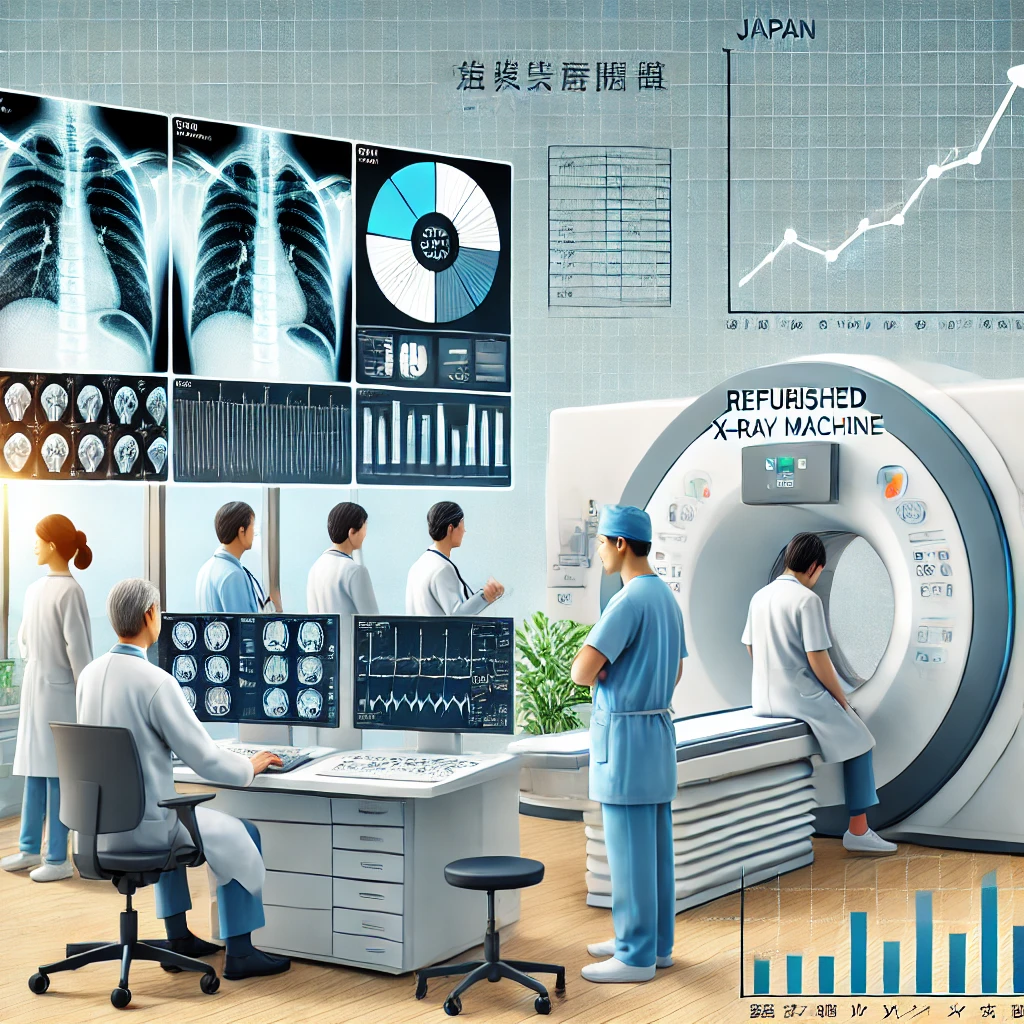
Japan’s healthcare sector is evolving rapidly, driven by technological advancements, an aging population, and increasing demand for cost-effective medical solutions. One segment experiencing significant growth is the refurbished medical equipment market. As hospitals and clinics seek budget-friendly yet high-quality alternatives, the demand for refurbished devices continues to surge. In this blog, we explore key trends and insights shaping Japan’s refurbished medical equipment market in 2025.
The Rising Demand for Refurbished Medical Equipment
Refurbished medical equipment refers to pre-owned devices that undergo rigorous testing, repair, and certification to meet industry standards. This market is expanding in Japan due to several driving factors:
- Cost Savings – Hospitals and clinics can acquire high-quality medical equipment at significantly reduced costs, enabling them to allocate resources more effectively.
- Sustainability Initiatives – With increasing emphasis on environmental responsibility, refurbishing and reusing medical devices help reduce electronic waste.
- Regulatory Support – Japan’s government has implemented policies that encourage the use of refurbished equipment, ensuring safety and compliance with strict medical standards.
- Technological Advancements – Improved refurbishment techniques and quality assurance processes have enhanced the reliability and performance of pre-owned medical equipment.
Market Trends in 2025
Several key trends define the refurbished medical equipment market in Japan:
1. Growing Acceptance in Public and Private Hospitals
Hospitals and medical institutions are increasingly recognizing the value of refurbished equipment, particularly for imaging devices, surgical instruments, and patient monitoring systems. With advancements in refurbishment processes, these devices now offer performance comparable to new ones, making them a viable option for healthcare providers.
2. Expansion of Local and International Suppliers
Japan has seen an influx of both domestic and international players entering the refurbished medical equipment sector. Established medical device manufacturers and third-party refurbishment companies are expanding their presence to cater to the rising demand.
3. Increased Government Oversight and Certification Standards
Regulatory bodies in Japan, such as the Pharmaceuticals and Medical Devices Agency (PMDA), are strengthening guidelines to ensure the safety and efficacy of refurbished equipment. Stricter quality control measures instill greater confidence among healthcare providers.
4. Preference for High-End Imaging and Diagnostic Equipment
Among the most sought-after refurbished devices in Japan are MRI machines, CT scanners, ultrasound systems, and X-ray machines. These high-cost diagnostic tools, when refurbished to industry standards, provide substantial savings while maintaining accuracy and reliability.
5. Integration of Digital Health Technologies
The incorporation of artificial intelligence (AI), Internet of Medical Things (IoMT), and cloud-based solutions into refurbished devices is revolutionizing the market. These enhancements improve device performance, enable remote diagnostics, and facilitate predictive maintenance, making refurbished equipment even more attractive.
Challenges Facing the Market
Despite its growth, Japan’s refurbished medical equipment market faces some challenges:
- Perceived Quality Concerns – Some healthcare professionals remain skeptical about the reliability of refurbished devices. Transparency in refurbishment processes and third-party certifications are crucial in addressing these concerns.
- Limited Awareness Among Smaller Clinics – While larger hospitals are adopting refurbished equipment, smaller clinics and private practices may lack information on the benefits and availability of such options.
- Regulatory Compliance – Adhering to Japan’s stringent medical device regulations can be complex and costly for refurbishment companies, potentially limiting market expansion.
Future Outlook
Japan’s refurbished medical equipment market is poised for continued growth in 2025 and beyond. As awareness increases and refurbishment technologies advance, demand is expected to rise across various healthcare segments. The market’s expansion will be further fueled by:
- Stronger Public-Private Partnerships – Collaborations between government agencies, hospitals, and refurbishment companies will enhance market credibility and accessibility.
- Technological Innovations – AI-driven diagnostics and remote monitoring capabilities will further elevate the appeal of refurbished medical equipment.
- Evolving Consumer Preferences – Cost-conscious healthcare providers will continue to explore refurbished options as a viable alternative to new equipment.
Conclusion
The refurbished medical equipment market in Japan is experiencing rapid growth, driven by cost savings, sustainability, and improved technology. With increasing regulatory support and greater acceptance among healthcare providers, this segment is set to play a crucial role in the country’s medical landscape. As 2025 unfolds, continued investment and awareness will be key in unlocking the full potential of refurbished medical devices in Japan’s healthcare ecosystem.
