Author: tokyomedics

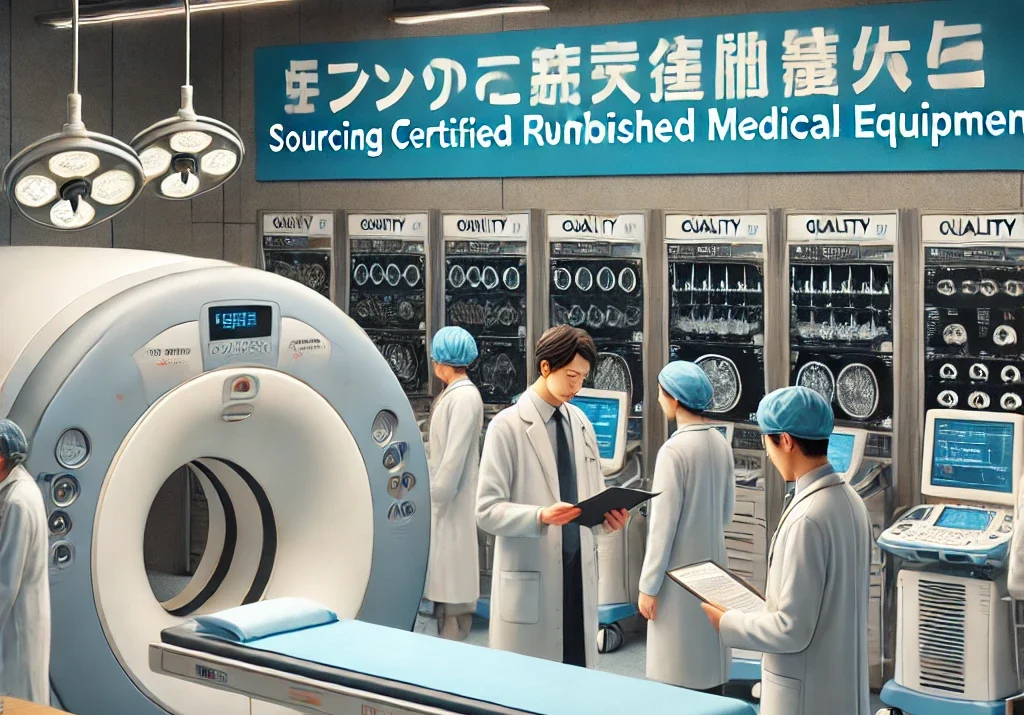
  • A Step-by-Step Guide to Sourcing Certified Refurbished Medical Equipment

    A Step-by-Step Guide to Sourcing Certified Refurbished Medical Equipment

    In today’s healthcare landscape, balancing quality patient care with budget constraints is a constant challenge. Certified refurbished medical equipment offers a compelling solution, delivering high-performance tools at a fraction of the cost of new devices. Whether it’s a refurbished MRI scanner, surgical instruments, or patient monitors, these items can enhance a facility’s capabilities without breaking the bank. However, sourcing certified refurbished equipment requires careful planning to ensure safety, compliance, and reliability. This step-by-step guide walks healthcare providers through the process of acquiring certified refurbished medical equipment, from defining needs to final integration, ensuring a seamless and confident purchase.

    Step 1: Define Your Needs and Budget

    The first step in sourcing refurbished medical equipment is to clearly identify your facility’s requirements. What specific devices are needed—diagnostic imaging systems, surgical tools, or monitoring devices? Consider the clinical applications, patient volume, and the level of technology required. For instance, a rural clinic may need a reliable ultrasound machine for basic diagnostics, while a surgical center might prioritize a refurbished laparoscopic system.

    Next, establish a budget. Refurbished equipment typically costs 30-70% less than new devices, but prices vary based on brand, condition, and complexity. Factor in not just the purchase price but also installation, training, and ongoing maintenance costs. Defining these parameters upfront narrows your search and ensures you target equipment that aligns with both clinical and financial goals.

    Step 2: Research Reputable Suppliers

    Not all refurbished equipment is created equal, and the supplier you choose plays a critical role in ensuring quality and certification. Look for vendors with a strong reputation in the medical refurbishment industry. Companies like Bond Japan, GE Healthcare (through its GoldSeal program), or Siemens Healthineers are known for their rigorous refurbishment processes and certified products. Check for suppliers with experience in your specific equipment type—some specialize in imaging systems, while others focus on surgical tools.

    Verify the supplier’s credentials. Are they registered with regulatory bodies like the FDA (in the U.S.) or certified under ISO 13485, the international standard for medical device quality management? Online reviews, industry forums, and recommendations from peers can also provide insight into a supplier’s reliability. A reputable vendor will offer transparency about their refurbishment process and certifications.

    Step 3: Confirm Certification and Regulatory Compliance

    Certification is the hallmark of trustworthy refurbished equipment. Certified devices have been restored to meet original manufacturer specifications and comply with local and international regulations. Depending on your region, this might include FDA approval (U.S.), CE marking (EU), or PMD Act compliance (Japan). Ask the supplier for documentation proving certification, such as a Certificate of Conformance or refurbishment report.

    Ensure the equipment meets your country’s regulatory standards. For example, a device refurbished in Japan may comply with PMDA requirements but still need FDA clearance for use in the U.S. Request details on the refurbishment process—how parts were replaced, how sterilization was performed, and what tests were conducted. This step safeguards patient safety and protects your facility from legal risks.

    Step 4: Evaluate Equipment Condition and History

    Once you’ve identified potential suppliers and confirmed certification, dive into the specifics of the equipment. Request a detailed history of the device, including its original manufacture date, prior usage, and refurbishment details. Was it sourced from a hospital trade-in, surplus inventory, or a lease return? Understanding its background helps assess its remaining lifespan and reliability.

    Ask about the refurbishment extent. Were worn components replaced with OEM (original equipment manufacturer) parts? Was software updated? For complex systems like CT scanners, inquire about calibration and performance testing. Reputable suppliers often provide “before and after” reports or photos to demonstrate the refurbishment quality. If possible, request a serial number to trace the device’s journey.

    Step 5: Request Documentation and Warranties

    Comprehensive documentation is non-negotiable when sourcing certified refurbished equipment. This should include:

      • A refurbishment certificate outlining the process and compliance.
      • Test results verifying performance and safety.
      • User manuals and maintenance guidelines.
      • A warranty statement detailing coverage duration and terms.

    Warranties for refurbished equipment typically range from 6 months to 2 years, shorter than those for new devices but still a critical safety net. Clarify what the warranty covers—parts, labor, or both—and the supplier’s support process for repairs or replacements. Strong documentation and warranty terms reflect the supplier’s confidence in their product and provide peace of mind.

    Step 6: Arrange a Demonstration or Trial

    Seeing is believing, especially with refurbished equipment. Request a live demonstration or, if feasible, a trial period to assess the device in action. For smaller items like surgical instruments, this might involve inspecting samples; for larger systems like an MRI, a virtual demo or site visit may suffice. Test key metrics—image clarity for imaging devices, precision for surgical tools, or accuracy for monitors—to ensure they meet your standards.

    If a demo isn’t possible, ask for references from other buyers who’ve used the same model. Their feedback can validate the equipment’s performance and the supplier’s service quality. This hands-on evaluation minimizes the risk of surprises after purchase.

    Step 7: Negotiate Pricing and Terms

    With your due diligence complete, it’s time to finalize the deal. Refurbished equipment prices are often negotiable, especially if buying in bulk or from a supplier eager to move inventory. Compare quotes from multiple vendors to ensure competitive pricing, but don’t sacrifice quality for the lowest bid. Discuss payment terms—some suppliers offer financing or lease-to-own options, easing the financial burden.

    Clarify delivery timelines, shipping costs, and installation support. For complex devices, confirm whether the supplier provides technician assistance or training for your staff. Lock in these details in a written contract to avoid misunderstandings.

    Step 8: Receive, Inspect, and Integrate

    Upon delivery, inspect the equipment immediately. Cross-check it against the documentation—serial numbers, condition, and included accessories—to ensure everything matches your agreement. Perform an in-house test to verify functionality before integrating it into clinical use. For high-stakes devices, involve biomedical engineers to certify safety and performance.

    Once approved, train staff on proper operation and maintenance, using the provided manuals or supplier-led sessions. Establish a maintenance schedule to prolong the equipment’s lifespan and ensure ongoing compliance with regulatory standards.

    Conclusion

    Sourcing certified refurbished medical equipment is a strategic process that blends research, evaluation, and collaboration. By defining needs, partnering with reputable suppliers, and verifying certification, healthcare providers can secure reliable devices that enhance care without straining budgets. Each step—from assessing condition to final integration—builds confidence in the equipment’s quality and compliance. With this guide, facilities can navigate the refurbishment market effectively, unlocking the benefits of cost-effective, certified solutions for years to come.
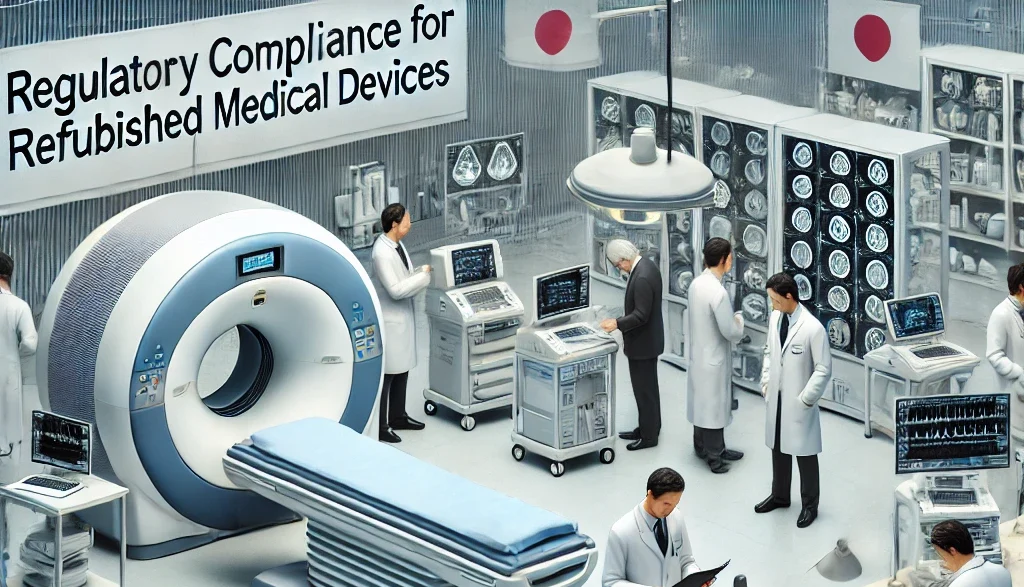
  • Regulatory Compliance for Refurbished Medical Devices

    Regulatory Compliance for Refurbished Medical Devices

    Refurbished medical devices have surged in popularity as a cost-effective and sustainable alternative to brand-new equipment, offering healthcare providers access to high-quality tools at a fraction of the cost. From refurbished surgical instruments to imaging systems, these devices promise performance and reliability—provided they meet stringent regulatory standards. However, ensuring compliance with local and international regulations is a complex process that demands diligence from refurbishers, suppliers, and end-users alike. This article explores the regulatory landscape for refurbished medical devices, the key standards governing their use, the challenges involved, and best practices to ensure safety and legality in healthcare settings worldwide.

    The Importance of Regulatory Compliance

    Medical devices—whether new or refurbished—are critical tools in patient care, where precision, safety, and efficacy are non-negotiable. Regulatory compliance ensures that refurbished devices meet the same performance and safety benchmarks as their new counterparts, protecting patients, clinicians, and healthcare institutions from risks like equipment failure, contamination, or inaccurate diagnostics. Non-compliance can lead to severe consequences, including legal penalties, financial losses, and harm to patients, making adherence to regulations a top priority.

    Unlike new devices, which are regulated straight from the manufacturer, refurbished devices involve additional layers of oversight. They must be restored to a condition that satisfies original design specifications while complying with current standards—a process that varies by country and region. Understanding these regulations is essential for refurbishers to maintain credibility and for healthcare providers to make informed purchasing decisions.

    Key Regulatory Frameworks Worldwide

    The regulatory landscape for refurbished medical devices differs globally, reflecting diverse healthcare priorities, economic conditions, and legal systems. Below are some of the most prominent frameworks:

      1. United States: FDA Oversight
        In the U.S., the Food and Drug Administration (FDA) classifies refurbished medical devices as “reprocessed” or “remarketed” devices under the Federal Food, Drug, and Cosmetic Act. Refurbishers are considered manufacturers and must register with the FDA, adhering to Quality System Regulation (QSR) standards (21 CFR Part 820). This includes requirements for design control, testing, labeling, and adverse event reporting. For high-risk devices (e.g., pacemakers or ventilators), a 510(k) premarket notification may be required to demonstrate equivalence to the original device. The FDA also mandates strict sterilization and validation processes to eliminate infection risks.
      1. European Union: MDR Compliance
        The EU’s Medical Device Regulation (MDR), effective since May 2021, governs refurbished devices under Regulation (EU) 2017/745. Entities that “fully refurbish” devices—restoring them to original performance levels—are treated as manufacturers, requiring CE marking to signify compliance. This involves a conformity assessment, technical documentation, and adherence to safety and performance requirements. Unlike the U.S., the EU allows refurbished devices to be remarketed under the original CE mark in some cases, provided refurbishment is minimal and documented appropriately. Post-market surveillance and vigilance reporting are also mandatory.
      1. Japan: PMD Act Standards
        Japan regulates refurbished medical devices under the Pharmaceuticals and Medical Devices Act (PMD Act), overseen by the Pharmaceuticals and Medical Devices Agency (PMDA). Refurbishers must obtain marketing authorization and comply with Good Quality Practice (GQP) and Good Vigilance Practice (GVP) standards. Japan’s rigorous approach ensures that refurbished devices meet the same safety and efficacy criteria as new ones, with a focus on traceability and quality control. Given Japan’s reputation for precision, its refurbished devices often set a high bar globally.
      1. Other Regions
        In countries like India, refurbished devices fall under the Medical Device Rules, 2017, requiring import licenses and compliance with ISO 13485 standards. Developing nations may have less stringent regulations, often adopting frameworks like the WHO’s guidelines for medical device donations, which emphasize functionality and safety. Harmonization efforts, such as those by the International Medical Device Regulators Forum (IMDRF), aim to standardize requirements globally, but variations persist.

    Challenges in Ensuring Compliance

    Navigating regulatory compliance for refurbished medical devices presents several challenges:

      • Diverse Standards: Differing regulations across regions complicate global trade. A device compliant in the EU may not meet FDA requirements, requiring refurbishers to tailor processes for each market.
      • Documentation Gaps: Refurbishers must provide detailed records of a device’s history, refurbishment process, and testing—information that may be incomplete for older or surplus equipment.
      • Risk Classification: Determining whether a refurbished device retains its original risk class (e.g., Class II vs. Class III) can be contentious, affecting the level of scrutiny required.
      • Sterilization and Safety: Ensuring devices are free of contaminants or defects demands advanced techniques, especially for complex systems like endoscopes or ventilators.
      • Perception and Trust: Regulatory compliance alone may not overcome skepticism from healthcare providers wary of “used” equipment, necessitating transparency and certification.

    The Refurbishment Process and Compliance

    To meet regulatory standards, refurbishers follow a structured process:

      1. Sourcing: Devices are acquired from credible sources, such as hospitals or manufacturers, with documented histories where possible.
      1. Assessment: Each device is inspected for wear, damage, or obsolescence, ensuring it can be restored to original specifications.
      1. Restoration: Worn parts are repaired or replaced using OEM components, and software is updated if applicable.
      1. Sterilization: Devices undergo rigorous cleaning and sterilization to eliminate biological hazards, adhering to standards like ISO 17664.
      1. Testing: Performance, safety, and accuracy are verified through calibration and validation, often exceeding original factory tests.
      1. Certification and Labeling: Compliance is documented, and devices are labeled with refurbishment details, serial numbers, and regulatory approvals.

    In regions like Japan or the EU, this process is underpinned by ISO 13485, a globally recognized quality management standard for medical devices, ensuring consistency and traceability.

    Best Practices for Healthcare Providers

    Healthcare facilities purchasing refurbished devices must take proactive steps to ensure compliance:

      • Vet Suppliers: Choose refurbishers with certifications (e.g., ISO 13485, FDA registration) and a proven track record. Reputable firms like Bond Japan or GE Healthcare’s refurbishment division are reliable options.
      • Verify Documentation: Request refurbishment records, test results, and regulatory certificates to confirm compliance.
      • Check Local Regulations: Ensure the device meets the importing country’s standards, not just the refurbisher’s home jurisdiction.
      • Perform In-House Testing: Validate performance and safety upon receipt, especially for critical applications like surgery or diagnostics.
      • Maintain Records: Document the device’s use and maintenance for regulatory audits or liability purposes.

    The Future of Regulatory Compliance

    As refurbished medical devices grow in demand—driven by cost pressures and sustainability goals—regulatory frameworks are evolving. The IMDRF and WHO are pushing for harmonized standards to simplify compliance across borders. Emerging technologies, such as AI-driven diagnostics or 3D-printed components, may also prompt updates to existing regulations, requiring refurbishers to adapt. Meanwhile, increased transparency, such as blockchain-based traceability, could enhance trust and streamline verification.

    Conclusion

    Regulatory compliance for refurbished medical devices is a cornerstone of their safe and effective use in healthcare. While the process is complex, adherence to standards like those of the FDA, EU MDR, or Japan’s PMD Act ensures that these devices deliver reliable performance at a lower cost. For refurbishers, compliance builds credibility; for healthcare providers, it safeguards patient care. By understanding the regulatory landscape and partnering with trusted suppliers, facilities can confidently integrate refurbished devices into their operations, balancing quality, affordability, and legality in an ever-demanding industry.

  • New vs. Refurbished Medical Devices: Making the Decision

    New vs. Refurbished Medical Devices: Making the Decision

    In the fast-evolving world of healthcare, medical devices play a critical role in ensuring accurate diagnostics, effective treatments, and improved patient outcomes. However, acquiring these devices—whether cutting-edge surgical tools, imaging systems, or patient monitors—presents a significant financial decision for healthcare providers. Should you invest in brand-new equipment with the latest features, or opt for refurbished devices that promise cost savings without sacrificing quality? The choice between new and refurbished medical devices is complex, influenced by factors like budget, functionality, reliability, and long-term goals. This article explores the key differences, advantages, and considerations to help healthcare facilities make an informed decision.

    Understanding New Medical Devices

    New medical devices are fresh from the manufacturer, untouched by prior use, and equipped with the latest technology. These devices—whether a state-of-the-art MRI scanner, a robotic surgery system, or a high-resolution ultrasound machine—represent the pinnacle of innovation. They come with full warranties, manufacturer support, and the assurance of pristine condition.

    The appeal of new devices lies in their cutting-edge features. For instance, a new CT scanner might offer enhanced imaging resolution or faster processing speeds, while a new surgical robot could include advanced AI integration for precision. These advancements can translate to better patient care, improved diagnostic accuracy, and streamlined workflows. Additionally, new devices often comply with the latest regulatory standards, reducing compliance risks for healthcare providers.

    However, the biggest drawback is cost. New medical devices can range from thousands to millions of dollars, depending on their complexity. For example, a new da Vinci Surgical System can exceed $1.5 million, not including maintenance, training, and accessory costs. For many hospitals, clinics, or practices—especially those in resource-limited settings—this price tag is prohibitive, forcing them to weigh the benefits against their budget constraints.

    Understanding Refurbished Medical Devices

    Refurbished medical devices, on the other hand, are pre-owned units that have been restored to full functionality through a meticulous process of inspection, repair, and testing. These devices may have been lightly used, returned, or retired due to upgrades, but they are brought back to near-original condition by specialized technicians. Reputable refurbishers replace worn parts, recalibrate systems, and ensure compliance with safety and performance standards before resale.

    The primary allure of refurbished devices is their affordability. Prices typically range from 30-70% lower than new equipment, making high-quality technology accessible to a broader range of healthcare providers. For instance, a refurbished MRI scanner that originally cost $1 million might be available for $400,000, offering significant savings. Refurbished devices also come with warranties—though shorter than those for new equipment—and support from suppliers, adding a layer of confidence for buyers.

    While refurbished devices may lack the very latest features, they often deliver proven performance, leveraging technology that has stood the test of time. A refurbished laparoscopic system from a trusted brand like Olympus or a restored patient monitor from Philips can still meet the demands of modern healthcare with reliability and precision.

    Comparing Key Factors

    To decide between new and refurbished medical devices, healthcare providers must evaluate several critical factors:

      1. Cost and Budget
        Budget is often the driving force behind this decision. New devices require a substantial upfront investment, which may strain finances or necessitate loans. Refurbished devices, by contrast, offer immediate savings, freeing up funds for other priorities like staffing, facility upgrades, or patient services. For smaller practices or facilities in developing regions, refurbished equipment can be a lifeline, enabling access to advanced care without financial overreach.
      1. Performance and Features
        New devices typically boast the latest innovations—faster processing, enhanced imaging, or smarter software—that can give clinicians a competitive edge. However, refurbished devices often provide sufficient functionality for most clinical needs. For example, a refurbished ultrasound machine from five years ago may not have 4D imaging, but it can still deliver high-quality 2D scans for routine diagnostics. The question is whether the latest features justify the cost for your specific use case.
      1. Reliability and Longevity
        New devices come with the assurance of no prior wear, potentially offering a longer lifespan. However, refurbished devices from reputable suppliers undergo rigorous testing to ensure reliability. A well-maintained refurbished surgical tool or imaging system can perform effectively for years, especially if sourced from a country like Japan, known for its durable, high-quality medical equipment. Maintenance history and refurbishment quality are key to assessing longevity.
      1. Warranty and Support
        New devices typically include extended warranties (often 1-5 years) and direct manufacturer support, minimizing downtime risks. Refurbished devices come with shorter warranties—usually 6 months to 2 years—provided by the refurbisher, not the original manufacturer. While this offers some protection, buyers must ensure the supplier is reputable and responsive to service needs.
      1. Regulatory Compliance
        New devices are guaranteed to meet current regulatory standards, such as those set by the FDA or Japan’s PMD Act. Refurbished devices must also comply, but their compliance depends on the refurbisher’s diligence. Purchasing from certified vendors ensures that refurbished equipment adheres to safety and performance guidelines, reducing legal and operational risks.
      1. Sustainability
        Environmental considerations are increasingly relevant in healthcare. Refurbished devices extend the lifecycle of existing equipment, reducing waste and the demand for raw materials. Choosing refurbished aligns with sustainable practices, an appealing factor for eco-conscious organizations. New devices, while innovative, contribute to higher resource consumption during production.

    Use Cases: When to Choose New or Refurbished

    The decision often hinges on the facility’s needs and goals:

      • Choose New:
          • When cutting-edge technology is essential (e.g., research hospitals pioneering new procedures).
          • For long-term investments in high-traffic settings where durability is paramount.
          • If budget constraints are minimal and compliance with the latest standards is non-negotiable.
          • Example: A tertiary care center needing a new robotic surgery system to attract top surgeons and patients.
      • Choose Refurbished:
          • When budget is a limiting factor but quality cannot be compromised.
          • For secondary or backup equipment in facilities with existing new devices.
          • In settings where proven, slightly older technology meets clinical demands (e.g., rural clinics or outpatient centers).
          • Example: A community hospital acquiring a refurbished MRI to expand diagnostic services affordably.

    Making an Informed Decision

    To choose wisely, healthcare providers should follow a structured approach:

      1. Assess Needs: Identify the specific clinical requirements and whether the latest features are necessary.
      1. Evaluate Suppliers: For new devices, research manufacturers; for refurbished, vet refurbishers for certifications, warranties, and track records.
      1. Consider Total Cost of Ownership: Factor in maintenance, training, and potential downtime alongside the purchase price.
      1. Test Performance: Request demonstrations or trial periods, especially for refurbished equipment.
      1. Plan for the Future: Weigh short-term savings against long-term goals, such as scalability or technological upgrades.

    Conclusion

    The choice between new and refurbished medical devices is not a one-size-fits-all decision—it’s a strategic balance of cost, quality, and purpose. New devices offer unmatched innovation and longevity, ideal for facilities pushing the boundaries of healthcare. Refurbished devices, however, provide a practical, sustainable alternative, delivering proven performance at a lower cost. By carefully evaluating their unique needs, budget, and operational context, healthcare providers can select the option that best supports their mission. In a field where precision and reliability are paramount, both new and refurbished devices have a vital role to play, ensuring that quality care remains within reach.

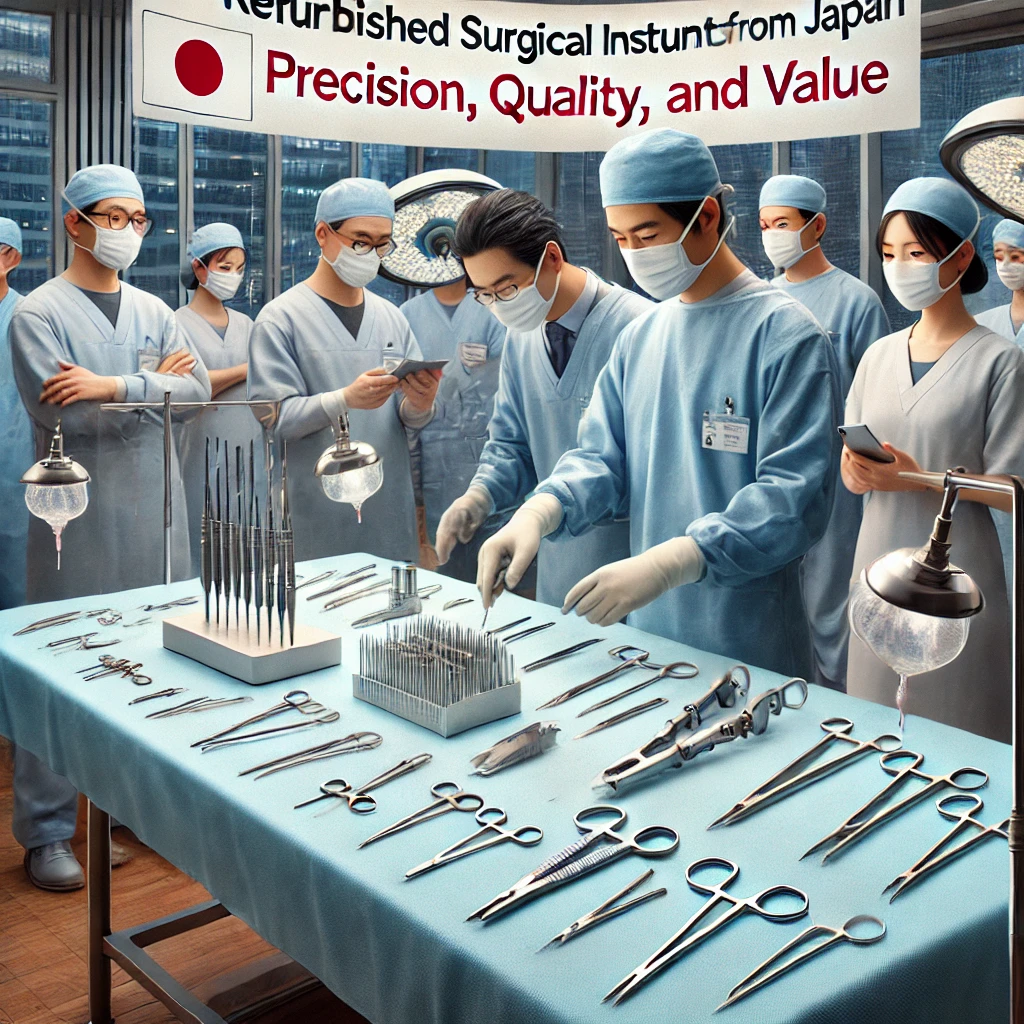
  • Refurbished Surgical Instruments from Japan: Precision, Quality, and Value

    Refurbished Surgical Instruments from Japan: Precision, Quality, and Value

    Japan is globally celebrated for its technological prowess, meticulous craftsmanship, and unwavering commitment to quality. These attributes extend seamlessly into the realm of medical technology, where Japanese surgical instruments have earned a reputation for precision and durability. However, the high cost of brand-new Japanese medical equipment can be a barrier for many healthcare providers, especially in resource-constrained settings. This is where refurbished surgical instruments from Japan come into play, offering an affordable yet reliable alternative without compromising on performance. This article delves into the world of refurbished surgical instruments from Japan, exploring their benefits, the refurbishment process, their role in global healthcare, and why they represent a smart investment for medical facilities worldwide.

    The Legacy of Japanese Surgical Instruments

    Japan’s dominance in surgical instrument manufacturing is rooted in its cultural emphasis on precision and innovation. Companies like TAKAYAMA Instrument, Inc., Fuji Flex, and larger conglomerates such as Terumo and Shimadzu have set the standard for high-quality medical tools. These instruments—ranging from microsurgical forceps to advanced laparoscopic devices—are prized for their ergonomic design, sharpness, and longevity. Crafted from premium materials like Japanese stainless steel and titanium, they embody the nation’s monozukuri philosophy, which translates to “the art of making things” with excellence.

    However, the premium quality of these instruments often comes with a steep price tag, making them inaccessible for smaller clinics, developing nations, or budget-conscious hospitals. Refurbished surgical instruments bridge this gap, delivering the same Japanese precision at a fraction of the cost. By restoring used or surplus equipment to near-original condition, refurbishment ensures that healthcare providers worldwide can access top-tier tools without breaking the bank.

    What Are Refurbished Surgical Instruments?

    Refurbished surgical instruments are pre-owned medical tools that have undergone a rigorous process of inspection, repair, cleaning, and testing to restore them to full functionality. Unlike second-hand equipment sold “as-is,” refurbished instruments meet stringent quality standards, often backed by warranties from reputable suppliers. In Japan, this process is particularly meticulous, reflecting the country’s high standards in both manufacturing and healthcare.

    The refurbishment process typically begins with sourcing instruments from hospitals, clinics, or manufacturers with excess inventory. These tools may have been lightly used, returned, or retired due to upgrades. Skilled technicians then disassemble, clean, and sterilize each piece, replacing worn components like blades or springs as needed. The instruments are tested for precision, durability, and safety before being repackaged for resale. In Japan, this process often leverages advanced technology and adheres to strict regulations, such as the Pharmaceutical and Medical Device Act (PMD Act), ensuring that refurbished products are as reliable as their new counterparts.

    Benefits of Choosing Refurbished Japanese Surgical Instruments

      1. Cost-Effectiveness
        The most immediate advantage of refurbished surgical instruments is their affordability. New Japanese instruments can cost thousands of dollars, whereas refurbished versions are typically priced at 30-70% less. This savings allows healthcare facilities to allocate resources to other critical areas, such as staff training or patient care, without sacrificing quality.
      1. Uncompromised Quality
        Japan’s reputation for excellence extends to its refurbishment industry. Companies like Bond Japan and Intermedical Co., Ltd., specialize in restoring used medical equipment, ensuring that refurbished instruments retain the precision and reliability of their original design. For example, a refurbished TAKAYAMA microsurgical forceps or a Fuji Flex laparoscopic tool can perform with the same accuracy as a new one, thanks to expert refurbishment techniques.
      1. Sustainability
        In an era where environmental responsibility is paramount, refurbishing surgical instruments aligns with sustainable healthcare practices. By extending the lifecycle of these tools, refurbishment reduces medical waste and the demand for raw materials like steel and titanium. Japanese firms, known for their eco-conscious innovations, often incorporate sustainable practices into the refurbishment process, further enhancing its appeal.
      1. Access to Advanced Technology
        Refurbished instruments provide access to cutting-edge Japanese technology that might otherwise be out of reach. For instance, a refurbished endoscopic system from Fujifilm or a robotic surgery tool from Medicaroid can bring state-of-the-art capabilities to smaller facilities, leveling the playing field in global healthcare.
      1. Warranty and Support
        Reputable Japanese suppliers often offer warranties and after-sales support for refurbished instruments, providing peace of mind to buyers. This assurance is particularly valuable in surgical settings, where equipment failure is not an option.

    The Refurbishment Process: A Japanese Standard of Excellence

    The refurbishment of surgical instruments in Japan is a highly specialized process that mirrors the precision of the country’s manufacturing sector. It typically involves several key steps:

      • Sourcing: Instruments are acquired from trusted sources, such as Japanese hospitals upgrading their equipment or manufacturers with surplus stock.
      • Inspection: Each tool is examined for wear, damage, or defects, with a focus on critical components like cutting edges and hinges.
      • Restoration: Worn parts are repaired or replaced using OEM (original equipment manufacturer) components to maintain compatibility and performance.
      • Sterilization: Instruments undergo rigorous cleaning and sterilization to eliminate any risk of contamination, adhering to Japan’s stringent healthcare standards.
      • Testing: Functionality, precision, and safety are verified through rigorous testing, often using advanced calibration tools.
      • Certification: Once approved, the instruments are certified as refurbished and packaged with detailed documentation.

    This meticulous approach ensures that refurbished instruments meet the same high standards as new ones, making them a viable option for surgeons worldwide.

    Applications in Global Healthcare

    Refurbished Japanese surgical instruments are making a significant impact across diverse healthcare settings. In developing countries, where budgets are tight, these tools enable clinics to perform complex procedures like orthopedic surgeries or cardiovascular interventions. In wealthier nations, they offer cost-effective backups or supplements to existing equipment, enhancing operational flexibility in hospitals and surgical centers.

    For example, a refurbished Japanese bone saw or scalpel can be a lifeline in rural clinics, while a restored MRI-compatible titanium forceps can support delicate neurosurgery in urban hospitals. During global health crises, such as the COVID-19 pandemic, refurbished ventilators and diagnostic tools from Japan have helped meet urgent demands, showcasing their versatility and reliability.

    Challenges and Considerations

    While refurbished surgical instruments offer numerous advantages, buyers should exercise due diligence. Not all refurbishers adhere to the same standards, and subpar processes can compromise safety. To mitigate risks, healthcare providers should source from reputable Japanese suppliers with a proven track record, such as Bond Japan or Intermedical, and verify certifications. Additionally, understanding the instrument’s history—such as its prior use and refurbishment extent—can inform purchasing decisions.

    Why Japan Stands Out in the Refurbished Market

    Japan’s refurbished surgical instruments stand apart due to the country’s unique blend of technological expertise, quality control, and regulatory oversight. Unlike some markets where refurbishment may be a haphazard process, Japan’s industry is supported by a culture of accountability and precision. Suppliers often collaborate with original manufacturers, ensuring that refurbished products align with initial design specifications. This synergy, combined with Japan’s global reputation, makes its refurbished instruments a trusted choice.

    Conclusion

    Refurbished surgical instruments from Japan offer a compelling solution for healthcare providers seeking quality, affordability, and sustainability. By combining the nation’s legendary precision with cost-effective refurbishment, these tools democratize access to advanced medical technology. Whether equipping a rural clinic or enhancing a high-tech surgical suite, they deliver exceptional value without compromise. As the demand for sustainable and accessible healthcare grows, Japan’s refurbished surgical instruments are poised to play an increasingly vital role, proving that excellence need not come at an exorbitant price.

  • The Unmatched Precision of Japanese Medical Technology

    The Unmatched Precision of Japanese Medical Technology

    Japan has long been synonymous with innovation, precision, and excellence in technology. From robotics to automotive engineering, the nation’s ability to blend tradition with cutting-edge advancements is unparalleled. Nowhere is this more evident than in the field of medical technology, where Japan has emerged as a global leader. With a healthcare system renowned for its efficiency and a culture that values meticulous attention to detail, Japanese medical technology stands out for its precision, reliability, and transformative impact on patient care. This article explores the key factors behind Japan’s dominance in this field, the groundbreaking technologies driving its success, and the global implications of its innovations.

    A Foundation Built on Precision and Discipline

    At the heart of Japan’s success in medical technology lies its cultural emphasis on precision and perfection. The Japanese concept of kaizen—continuous improvement—permeates every aspect of its industries, including healthcare. This philosophy has fostered an environment where even the smallest details are refined to achieve optimal outcomes. In medical technology, this translates to devices and systems that are not only highly accurate but also exceptionally reliable, reducing the margin for error in critical healthcare settings.

    Japan’s healthcare system itself is a testament to this precision. With one of the highest life expectancies in the world—averaging 84.6 years as of recent data—the country has invested heavily in ensuring its population receives top-tier medical care. This commitment has driven the development of technologies that address both preventative and curative needs, from early diagnostic tools to advanced surgical systems. The synergy between a robust healthcare infrastructure and technological innovation has positioned Japan as a pioneer in the global medical landscape.

    Cutting-Edge Innovations in Japanese Medical Technology

    Japanese medical technology spans a wide range of applications, each marked by an extraordinary level of sophistication. Some of the most notable advancements include robotic surgery systems, diagnostic imaging, and wearable health devices.

      1. Robotic Surgery Systems
        Japan is a leader in the development of robotic-assisted surgery, with systems like the da Vinci Surgical System and homegrown innovations such as the hinotori surgical robot. These technologies allow surgeons to perform complex procedures with unprecedented precision, minimizing invasiveness and accelerating patient recovery. The hinotori system, developed by Medicaroid Corporation, exemplifies Japan’s ability to tailor technology to specific medical needs. Its compact design and advanced imaging capabilities enable surgeons to operate with enhanced dexterity, even in confined spaces, making it a game-changer for procedures like prostatectomies and gynecological surgeries.
      1. Diagnostic Imaging
        Japan’s contributions to diagnostic imaging are equally impressive. Companies like Canon, Toshiba, and Hitachi have revolutionized medical imaging with technologies such as high-resolution MRI scanners, CT systems, and ultrasound devices. These tools provide clinicians with detailed, real-time insights into the human body, enabling early detection of diseases like cancer and cardiovascular conditions. For instance, Canon’s ultra-high-resolution CT scanners deliver images with such clarity that they can detect abnormalities at a microscopic level, offering a significant advantage in preventative care.
      1. Wearable Health Devices
        In the realm of personal healthcare, Japan has pioneered wearable devices that monitor vital signs with remarkable accuracy. Devices like Omron’s blood pressure monitors and smartwatches equipped with ECG functionality empower individuals to take charge of their health. These wearables are designed with user-friendliness in mind, reflecting Japan’s knack for combining advanced technology with practical application. Such innovations are particularly valuable in an aging society like Japan’s, where managing chronic conditions is a growing priority.

    The Role of Collaboration and Research

    Japan’s success in medical technology is not solely the result of individual ingenuity; it stems from a collaborative ecosystem that unites government, academia, and private industry. The Japanese government has played a pivotal role by funding research and development initiatives, such as those under the Ministry of Health, Labour and Welfare (MHLW) and the Japan Agency for Medical Research and Development (AMED). These organizations support projects that push the boundaries of medical science, from regenerative medicine to artificial intelligence (AI) in diagnostics.

    Universities and research institutions, such as the University of Tokyo and Osaka University, contribute by training the next generation of engineers and scientists while conducting groundbreaking studies. Meanwhile, private companies like Fujifilm, Sony, and Panasonic leverage their expertise in electronics and materials science to create medical solutions. Fujifilm, for example, has transitioned from its photography roots to become a leader in endoscopic systems and AI-driven diagnostic tools, showcasing the adaptability of Japanese firms.

    This collaborative spirit extends internationally as well. Japan frequently partners with global healthcare leaders to refine its technologies and ensure they meet diverse needs. Such partnerships have accelerated the adoption of Japanese medical innovations worldwide, from hospitals in the United States to clinics in Southeast Asia.

    Addressing Global Healthcare Challenges

    Japan’s medical technology is not just a domestic triumph—it’s a response to global healthcare challenges. With an aging population that exceeds 28% over the age of 65, Japan faces unique pressures to innovate in eldercare and chronic disease management. Technologies like robotic exoskeletons, developed by companies such as Cyberdyne, assist with mobility and rehabilitation, offering solutions that are increasingly relevant in other aging societies.

    Moreover, Japan’s focus on precision has implications for global health crises. During the COVID-19 pandemic, Japanese firms rapidly developed diagnostic kits and ventilators, demonstrating their ability to adapt to urgent needs. The precision of these tools ensured accurate testing and effective treatment, reinforcing Japan’s reputation as a reliable partner in healthcare innovation.

    The Future of Japanese Medical Technology

    Looking ahead, Japan shows no signs of slowing down. The integration of AI and machine learning into medical devices promises to further enhance diagnostic accuracy and treatment personalization. For example, AI-powered systems are being developed to analyze medical images faster and with greater precision than human clinicians, potentially revolutionizing fields like oncology and neurology.

    Regenerative medicine is another frontier where Japan excels. The country’s approval of induced pluripotent stem cell (iPSC) therapies, pioneered by Nobel laureate Shinya Yamanaka, has opened doors to repairing damaged tissues and organs. This technology, combined with Japan’s expertise in robotics and imaging, could redefine how we approach degenerative diseases and traumatic injuries.

    Sustainability is also on the horizon. Japanese companies are exploring eco-friendly materials for medical devices, aligning with global efforts to reduce healthcare’s environmental footprint. This forward-thinking approach ensures that Japan’s innovations remain relevant in an increasingly conscientious world.

    Conclusion

    The unmatched precision of Japanese medical technology is a testament to the nation’s ability to harmonize tradition, innovation, and human-centric design. From robotic surgery to wearable health monitors, Japan’s contributions have elevated the standard of care both domestically and globally. As the world faces evolving healthcare challenges, Japan’s commitment to excellence positions it as a beacon of hope and progress. With a future shaped by AI, regenerative medicine, and sustainable practices, Japanese medical technology will continue to set the benchmark for precision and reliability, improving lives one innovation at a time.

  • Success Stories with Refurbished Medical Equipment

    Success Stories with Refurbished Medical Equipment

    Refurbished medical equipment has emerged as a game-changer in the healthcare industry, offering cost-effective solutions without sacrificing quality. Across the globe, hospitals, clinics, and healthcare providers have leveraged these reconditioned devices to enhance patient care, expand services, and optimize budgets. From rural facilities in developing nations to urban diagnostic centers in advanced economies, the success stories of refurbished medical equipment highlight its transformative potential. Below, we explore real-world examples and insights that demonstrate how refurbished devices are making a tangible impact in healthcare delivery.

    1. Rural Healthcare Transformation in Kenya

    In rural Kenya, where access to advanced diagnostics is often limited by cost and infrastructure, a small community hospital made headlines by acquiring a refurbished CT scanner in 2023. Purchased from a reputable supplier at nearly 50% less than the cost of a new unit, the scanner enabled the facility to diagnose conditions like traumatic brain injuries and tumors—cases previously referred to distant urban centers. With training from the refurbisher and a one-year warranty, the hospital integrated the device seamlessly into its operations.

    The result? Within six months, patient referrals dropped by 40%, and local residents gained faster access to life-saving diagnostics. The hospital recouped its investment through increased service fees, proving that refurbished equipment can empower underserved regions to bridge healthcare gaps while remaining financially viable.

    2. Cost Savings in a Japanese Diagnostic Center

    Japan, with its aging population and tightly regulated healthcare system, provides a compelling case for refurbished equipment. A private diagnostic center in Osaka faced budget constraints when planning to upgrade its imaging capabilities. Instead of purchasing a new MRI scanner—priced at over ¥150 million (approximately $1 million USD)—the center opted for a refurbished unit from a trusted Japanese supplier like Bond Japan, costing just ¥70 million.

    Installed in 2024, the refurbished MRI performed comparably to new models, thanks to updated software and rigorous reconditioning. The center reported a 30% increase in patient throughput due to faster scan times, recouping its investment within a year. This success underscored how refurbished equipment aligns with Japan’s need for cost-efficient, high-quality care, allowing facilities to serve more patients without straining finances.

    3. Expanding Capacity in a U.S. Community Hospital

    In the United States, a mid-sized community hospital in Texas faced a surge in demand for critical care during the post-pandemic recovery of 2022. Needing additional patient monitors but limited by a tight budget, the hospital turned to refurbished multi-parameter monitors sourced from a certified refurbisher. Priced at $8,000 each compared to $20,000 for new units, the hospital acquired 15 monitors—doubling its ICU capacity—for less than half the cost of new equipment.

    The refurbished monitors, restored to OEM standards, provided reliable vital sign tracking, enabling the hospital to manage a spike in respiratory and cardiac cases. Staff praised the seamless integration with existing systems, and the hospital avoided debt while maintaining care quality. This case illustrates how refurbished devices can be a lifeline for facilities adapting to unexpected demand.

    4. Ophthalmic Innovation in India

    A private eye clinic in Mumbai transformed its practice by investing in a refurbished ophthalmic laser system in 2023. With new systems costing upwards of $100,000 USD, the clinic opted for a reconditioned unit at $45,000 from an international supplier like JAPAN CENTRAL MEDICAL. Used for procedures like cataract surgery and retinal repairs, the laser delivered precision comparable to new models, thanks to meticulous refurbishment and a software upgrade.

    Within a year, the clinic increased its surgical volume by 25%, serving a growing population of elderly patients with affordable eye care. The success not only boosted revenue but also enhanced the clinic’s reputation, proving that refurbished equipment can drive specialty care in competitive markets.

    5. Disaster Response in the Philippines

    When Typhoon Carina struck the Philippines in 2024, a regional hospital in Leyte lost much of its diagnostic equipment to flooding. Facing urgent needs but limited funds, the hospital partnered with a refurbisher to acquire a used ultrasound system and X-ray machine at a fraction of new prices. Delivered within weeks, the refurbished devices—complete with warranties—enabled the hospital to resume essential imaging services during the crisis.

    The ultrasound aided in trauma assessments, while the X-ray machine diagnosed fractures and chest conditions among survivors. This rapid deployment showcased how refurbished equipment can support disaster recovery, providing immediate solutions when time and resources are critical.

    Why These Stories Matter

    These success stories highlight the versatility and value of refurbished medical equipment across diverse settings. Cost savings—often 30-60% compared to new devices—enable facilities to stretch budgets further, whether for routine upgrades or emergency needs. Quality assurance, backed by refurbishers’ testing and warranties, ensures that patient outcomes remain uncompromised. Moreover, the sustainability of reusing equipment resonates with healthcare’s growing emphasis on eco-friendly practices.

    For rural hospitals, refurbished devices bring advanced care to remote areas. In urban centers, they allow providers to scale services competitively. In emergencies, they offer quick, affordable solutions. The common thread? Refurbished equipment empowers healthcare providers to do more with less, fostering resilience and innovation.

    Looking Ahead

    As the refurbished medical device market grows—projected to reach $24 billion USD by 2029—these success stories will multiply. Technological upgrades, stricter regulations, and broader acceptance will further elevate their impact. For healthcare leaders considering refurbished options, these examples offer a blueprint: invest wisely, partner with reputable suppliers, and prioritize maintenance to unlock the full potential of reconditioned equipment.

    Conclusion

    From Kenya to Japan, the U.S. to India, and the Philippines, refurbished medical equipment is rewriting healthcare narratives. These success stories demonstrate that with the right approach, refurbished devices deliver not just savings but also hope, access, and excellence. As 2025 approaches, their role in shaping a more equitable and efficient healthcare future is undeniable—a testament to the power of innovation born from necessity.

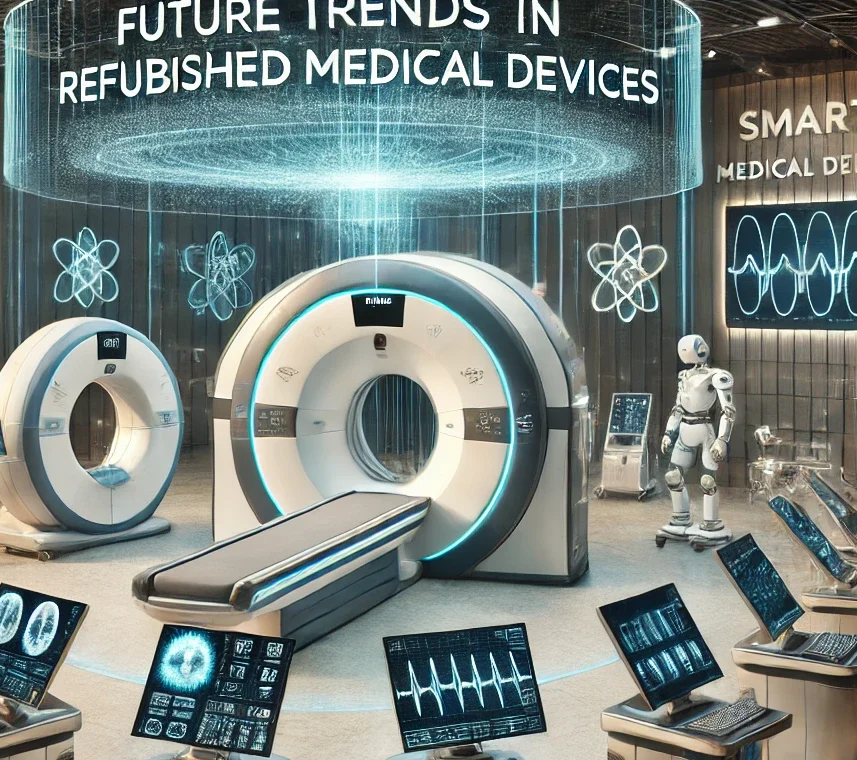
  • Future Trends in Refurbished Medical Devices

    Future Trends in Refurbished Medical Devices

    The refurbished medical devices market has emerged as a critical segment of the healthcare industry, driven by the need for cost-effective, high-quality equipment amid rising healthcare demands. As we look toward the future—particularly into 2025 and beyond—several trends are poised to shape the landscape of refurbished medical devices. From technological advancements and sustainability initiatives to evolving regulations and global market dynamics, these trends promise to enhance the value, accessibility, and appeal of refurbished equipment for hospitals, clinics, and healthcare providers worldwide. Here’s an in-depth look at the future of this burgeoning industry.

    1. Integration of Advanced Technologies

    One of the most significant trends in refurbished medical devices is the integration of cutting-edge technologies during the refurbishment process. As original equipment manufacturers (OEMs) like Siemens Healthineers, GE Healthcare, and Philips continue to innovate, refurbishers are upgrading older systems with modern features such as artificial intelligence (AI), cloud connectivity, and enhanced imaging capabilities. For instance, a refurbished MRI scanner from 2025 might include AI-driven diagnostic software that wasn’t available in its original model, improving accuracy and workflow efficiency.

    This trend allows refurbished devices to remain competitive with new equipment, bridging the gap between cost and performance. Healthcare providers benefit from access to near-state-of-the-art technology at a fraction of the price, making refurbished systems an attractive option for facilities upgrading their capabilities without massive capital investments.

    2. Growth of the Circular Economy

    Sustainability is becoming a driving force in healthcare, and refurbished medical devices are at the forefront of this shift. The circular economy model—emphasizing reuse, repair, and recycling—gains traction as hospitals and governments aim to reduce waste and carbon footprints. By refurbishing equipment like CT scanners, ultrasound machines, and patient monitors, the industry extends the lifecycle of devices that might otherwise be discarded, aligning with global environmental goals.

    Looking ahead, expect greater collaboration between refurbishers, OEMs, and healthcare providers to create standardized refurbishment protocols that maximize sustainability. In regions like Japan and the European Union, where eco-friendly practices are prioritized, this trend could lead to incentives or certifications for facilities using refurbished equipment, further boosting adoption.

    3. Expansion in Emerging Markets

    The demand for refurbished medical devices is surging in emerging markets—Africa, Southeast Asia, and Latin America—where healthcare infrastructure is expanding but budgets remain constrained. In 2025 and beyond, refurbishers will increasingly target these regions, offering cost-effective solutions like refurbished X-ray machines, ventilators, and endoscopyDW systems tailored to local needs. Companies like Bond Japan and JAPAN CENTRAL MEDICAL, already active in global exports, are well-positioned to capitalize on this trend.

    This expansion will be supported by improved logistics, such as streamlined shipping and local service networks, ensuring that refurbished equipment reaches remote or underserved areas efficiently. As these markets grow, refurbished devices will play a pivotal role in democratizing access to advanced healthcare, narrowing the gap between developed and developing regions.

    4. Stricter Regulatory Standards and Certifications

    As the refurbished medical device market matures, regulatory oversight is expected to tighten. Agencies like the U.S. Food and Drug Administration (FDA) and Japan’s Pharmaceuticals and Medical Devices Agency (PMDA) are likely to introduce more rigorous standards for refurbishment processes, quality control, and post-sale support. This trend aims to ensure patient safety and device reliability, addressing concerns about the performance of pre-owned equipment.

    In the future, certifications from third-party organizations or OEMs could become a benchmark for refurbished devices, giving buyers confidence in their purchases. For example, a refurbished ultrasound system bearing an OEM-approved seal might command higher trust and value. While this may increase costs slightly, it will enhance market credibility and encourage wider adoption across regulated healthcare systems.

    5. Rise of Subscription and Leasing Models

    Traditional outright purchases of refurbished equipment may give way to more flexible ownership models, such as subscriptions or leasing. By 2025, refurbishers and distributors could offer hospitals the ability to “rent” devices like patient monitors or MRI scanners for a monthly fee, including maintenance, upgrades, and eventual replacement. This trend reduces upfront costs and aligns with the shift toward operational expenditure (OpEx) over capital expenditure (CapEx) in healthcare budgeting.

    For smaller clinics or temporary facilities—such as those set up during public health crises—this model provides access to advanced equipment without long-term financial commitments. It also allows refurbishers to maintain a steady revenue stream while ensuring devices remain in optimal condition through regular servicing.

    6. Focus on Cybersecurity and Software Updates

    With medical devices increasingly reliant on software, cybersecurity is a growing concern. Refurbished equipment, often based on older platforms, must be updated to protect against data breaches and ensure compliance with privacy regulations like GDPR or HIPAA. In the coming years, refurbishers will prioritize integrating robust cybersecurity features—such as encrypted data transmission and regular software patches—into their offerings.

    For instance, a refurbished patient monitor from 2025 might receive firmware updates to secure networked connections, a feature not considered in its original design. This trend will be crucial as healthcare systems become more interconnected, ensuring refurbished devices remain viable in a digital-first environment.

    Conclusion

    The future of refurbished medical devices is bright, driven by innovation, sustainability, and a commitment to affordability. As technology enhances their capabilities, regulations ensure their safety, and new business models broaden their reach, refurbished equipment will become an indispensable part of the global healthcare ecosystem. By 2025, expect a market that not only saves money but also delivers advanced, eco-friendly solutions to meet the evolving needs of patients and providers. For healthcare facilities looking to stay competitive, embracing these trends in refurbished medical devices will be a strategic move toward a more efficient and equitable future.

  • JAPAN CENTRAL MEDICAL Used Medical Equipment from Japan

    JAPAN CENTRAL MEDICAL Used Medical Equipment from Japan

    In the global healthcare industry, access to high-quality medical equipment is a cornerstone of effective patient care. However, the prohibitive costs of new devices often pose a challenge for hospitals, clinics, and medical facilities worldwide. JAPAN CENTRAL MEDICAL (JCM), a Tokyo-based leader in the export of used medical equipment, addresses this challenge by offering affordable, reliable, and expertly handled solutions sourced directly from Japan. Specializing in a diverse range of equipment—including video endoscopy systems, ultrasounds, CT scanners, MRIs, and ophthalmic lasers—JCM has earned a reputation for trust, flexibility, and excellence. Here’s why JCM stands out as a premier provider of used medical equipment and how it supports healthcare providers across the globe.

    A Legacy of Expertise and Reliability

    Founded with a mission to bridge the gap between quality and affordability, JAPAN CENTRAL MEDICAL has become an industry leader in exporting used medical equipment from Japan. Operating out of its offices in Tokyo and Kyoto, JCM leverages Japan’s reputation for precision and technological innovation to deliver equipment that meets international standards. With years of experience shipping to numerous countries, the company has honed a process that prioritizes reliability, customer satisfaction, and meticulous attention to detail.

    JCM’s commitment to quality begins with its sourcing. Japan’s healthcare system is known for its rigorous maintenance standards, meaning that even pre-owned equipment is often in excellent condition. JCM carefully selects devices from this pool, ensuring they are thoroughly inspected and tested before export. Whether it’s a complex MRI system or a compact ultrasound unit, every piece of equipment is handled with professionalism, making JCM a trusted partner for healthcare providers worldwide.

    Comprehensive Product Range

    JAPAN CENTRAL MEDICAL offers an extensive inventory tailored to meet diverse medical needs. For diagnostic imaging, they provide used CT scanners, MRI machines, and X-ray systems—equipment essential for detecting and managing conditions like cancer, cardiovascular disease, and neurological disorders. These high-value systems, often unaffordable when new, become accessible through JCM’s competitive pricing, enabling facilities to expand their diagnostic capabilities.

    Beyond imaging, JCM excels in supplying video endoscopy equipment, a critical tool for minimally invasive procedures in gastroenterology, pulmonology, and beyond. Their ultrasound systems cater to specialties like obstetrics and cardiology, while ophthalmic lasers serve eye care professionals seeking precision at a lower cost. This variety ensures that whether you’re outfitting a large hospital or a small clinic, JCM has the equipment to match your requirements.

    Cost-Effective Solutions with Quality Assurance

    The financial benefits of choosing JCM’s used medical equipment are undeniable. A new CT scanner, for instance, might cost upwards of ¥100 million (approximately $700,000 USD), while a used unit from JCM could be acquired for significantly less—often 30-50% of the original price. This affordability doesn’t come at the expense of quality. Each device is evaluated by professional engineers to ensure it performs to its original specifications, and many come with detailed histories of prior maintenance and use.

    For healthcare providers in developing nations or rural areas, where budgets are constrained, JCM’s offerings are a game-changer. A refurbished ultrasound machine or an X-ray system can bring advanced diagnostics to underserved communities, improving patient outcomes without the burden of excessive costs. JCM’s focus on low prices paired with high reliability makes it an ideal choice for facilities aiming to optimize resources.

    Professional Handling and Global Shipping

    One of JCM’s standout features is its emphasis on safe and efficient handling, particularly for large or delicate equipment. Devices like CT scanners, MRIs, and X-ray machines require expert uninstallation to prevent damage. JCM employs professional engineers to oversee this process, ensuring that every unit is carefully dismantled, packed, and prepared for shipment. Their packaging—using strong boxes, bubble wrap, and secure methods—guarantees that equipment arrives in pristine condition, whether shipped by EMS, FedEx, DHL, or sea freight in 20-foot containers.

    JCM’s global shipping experience spans multiple continents, with tailored logistics to suit each destination. For example, shipping a CT scanner from Osaka to Mumbai might start at $1,300 USD, while a shipment to New York could begin at $4,100 USD. Clients can choose their preferred carrier, and JCM’s multilingual staff—fluent in English and Japanese—provide seamless communication via email, telephone, or Skype, ensuring a smooth transaction from inquiry to delivery.

    Supporting Global Healthcare

    By exporting used medical equipment, JAPAN CENTRAL MEDICAL plays a vital role in global healthcare equity. Facilities in regions with limited access to advanced technology benefit from JCM’s affordable solutions, enabling them to offer services that were previously out of reach. This aligns with Japan’s broader ethos of innovation and resourcefulness, repurposing high-quality equipment to serve new purposes worldwide.

    Moreover, JCM’s approach contributes to sustainability. By extending the lifespan of medical devices, they reduce waste and the demand for new manufacturing, supporting eco-friendly practices in healthcare. This dual focus on affordability and environmental responsibility enhances JCM’s appeal to forward-thinking providers.

    Why JCM?

    JAPAN CENTRAL MEDICAL combines affordability, quality, and professionalism in a way few competitors can match. Their flexible, customer-focused approach—backed by a team ready to answer questions in multiple languages—ensures that every purchase is tailored to the buyer’s needs. From small clinics to large hospitals, JCM’s used medical equipment empowers healthcare providers to deliver exceptional care without financial strain.

    Conclusion

    For healthcare facilities seeking reliable, cost-effective medical equipment, JAPAN CENTRAL MEDICAL offers an unmatched solution. With a wide range of meticulously handled devices, competitive pricing, and a commitment to global service, JCM is redefining access to healthcare technology. As the demand for affordable equipment grows in 2025 and beyond, JAPAN CENTRAL MEDICAL remains a trusted partner, delivering Japan’s renowned quality to the world, one device at a time.

  • Used and Refurbished Medical Equipment for sale | Bond Japan

    Used and Refurbished Medical Equipment for sale | Bond Japan

    In the fast-paced world of healthcare, access to reliable, high-quality medical equipment is essential for delivering exceptional patient care. However, the steep costs of brand-new devices often place a significant burden on hospitals, clinics, and medical facilities, particularly in budget-conscious markets. This is where Bond Japan steps in as a trusted global provider of used and refurbished medical equipment. Specializing in a wide range of systems—from advanced imaging technologies like MRI and CT scanners to smaller devices such as endoscopes and ultrasound machines—Bond Japan offers affordable, dependable solutions without compromising on quality. Here’s why healthcare providers worldwide turn to Bond Japan for their equipment needs and how their offerings stand out in the competitive medical device market.

    A Trusted Name in Refurbished Medical Equipment

    Bond Japan has built a reputation as a leading wholesaler and distributor of reconditioned medical equipment, serving over 50 countries for more than a decade. Based in Japan—a country renowned for its precision engineering and stringent quality standards—the company combines technical expertise with a customer-centric approach. Their inventory includes products from top-tier brands like GE, Siemens, Philips, Olympus, Hitachi, Canon, and Fujifilm, ensuring that buyers receive equipment from manufacturers synonymous with innovation and reliability.

    What sets Bond Japan apart is its commitment to quality. Every piece of equipment undergoes a meticulous refurbishment process, including testing, cleaning, and inspection by skilled technicians. This ensures that each device meets rigorous performance standards, often rivaling that of new systems. Additionally, Bond Japan offers warranties and support services, providing peace of mind to buyers who might otherwise hesitate to invest in pre-owned equipment.

    A Diverse Range of Equipment

    Bond Japan’s product catalog is as extensive as it is impressive, catering to a variety of medical specialties and facility sizes. For large-scale diagnostic needs, they offer refurbished CT scanners, MRI machines, and X-ray systems—equipment that would otherwise cost millions of yen if purchased new. These high-demand items are ideal for hospitals and imaging centers looking to expand capabilities without breaking the bank.

    For smaller facilities or specialized practices, Bond Japan provides an array of compact yet powerful devices. Their selection of ultrasound systems ranges from traditional black-and-white models to cutting-edge 3D/4D machines, suitable for obstetrics, cardiology, and general diagnostics. Similarly, their endoscopy systems—featuring brands like Olympus, Fujinon, and Pentax—include everything from fiberscopes to HighVision setups, supporting minimally invasive procedures with precision. Other offerings, such as hematology analyzers, ventilators, and anesthesia machines, round out a portfolio designed to meet diverse healthcare needs.

    Cost Savings Without Compromise

    One of the primary advantages of purchasing from Bond Japan is the significant cost savings. New medical equipment often comes with a premium price tag that includes the latest features and branding, but refurbished options from Bond Japan deliver comparable functionality at a fraction of the cost—sometimes 30-60% less than new models. For example, a refurbished MRI scanner that might retail for ¥150 million new could be acquired for under ¥75 million, depending on its condition and specifications.

    This affordability is particularly valuable for healthcare providers in developing countries or rural areas, where budgets are tight, and access to advanced technology can be limited. By offering lightly used demo systems and fully reconditioned units, Bond Japan enables these facilities to enhance patient care without incurring unsustainable debt. The inclusion of warranties further reduces financial risk, making their equipment a smart investment for cost-conscious buyers.

    Sustainability and Global Impact

    Beyond economics, Bond Japan contributes to a more sustainable healthcare ecosystem. Refurbishing medical equipment extends the lifecycle of devices that might otherwise end up in landfills, aligning with global efforts to reduce waste and conserve resources. This eco-friendly approach resonates with healthcare providers aiming to minimize their environmental footprint while maintaining high standards of care.

    The company’s global reach amplifies this impact. By exporting refurbished systems to over 50 countries, Bond Japan supports medical infrastructure development worldwide. A refurbished ultrasound machine in a rural clinic or a reconditioned CT scanner in a regional hospital can transform healthcare delivery, making advanced diagnostics and treatments accessible where they were previously out of reach.

    Why Choose Bond Japan?

    Bond Japan’s success stems from its blend of quality, variety, and customer support. Their team of knowledgeable technicians ensures that every device is thoroughly vetted, while their worldwide distribution network guarantees timely delivery. Whether you’re a hospital administrator seeking a full imaging suite or a small practice needing a single ultrasound unit, Bond Japan tailors its offerings to meet specific needs. Their multilingual support and flexible purchasing options further simplify the buying process for international clients.

    For healthcare providers looking to balance cost, quality, and sustainability, Bond Japan stands as a reliable partner. Their used and refurbished medical equipment not only saves money but also empowers facilities to deliver cutting-edge care. As the demand for affordable healthcare solutions grows in 2025 and beyond, Bond Japan’s role in the industry is poised to expand, solidifying its status as a go-to source for reconditioned medical technology.

    Conclusion

    Bond Japan offers a compelling solution for healthcare providers seeking high-quality medical equipment at affordable prices. With a diverse inventory, rigorous refurbishment standards, and a global presence, they bridge the gap between cost and capability. From MRI scanners to endoscopes, their products enable facilities to enhance patient care while staying within budget—a win-win in today’s challenging healthcare landscape. For those in search of used and refurbished medical equipment, Bond Japan delivers value, reliability, and a commitment to excellence that’s hard to match.

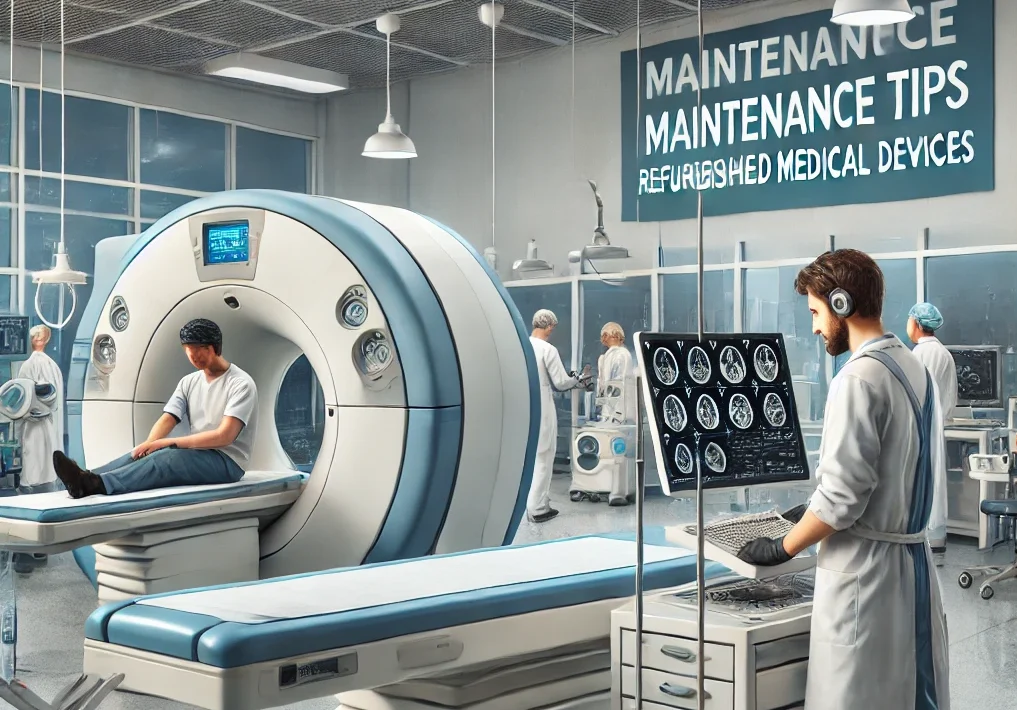
  • Maintenance Tips for Refurbished Medical Devices

    Maintenance Tips for Refurbished Medical Devices

    Refurbished medical devices offer hospitals, clinics, and healthcare providers a cost-effective alternative to purchasing brand-new equipment. These pre-owned systems—such as MRI scanners, ultrasound machines, patient monitors, and endoscopes—are restored to meet original manufacturer standards, providing reliable performance at a fraction of the cost. However, to ensure their longevity, accuracy, and safety, proper maintenance is essential. Unlike new equipment, refurbished devices may have unique considerations due to their prior use. Below are expert maintenance tips to keep refurbished medical devices in top condition, maximizing their value and ensuring optimal patient care.

    1. Follow Manufacturer Guidelines and Service Schedules

    Every medical device, whether new or refurbished, comes with manufacturer-specific maintenance recommendations. For refurbished equipment, adhering to these guidelines is critical to preserve functionality and comply with safety regulations. Upon acquisition, obtain the device’s service manual—either from the refurbisher or the original equipment manufacturer (OEM)—and review its recommended maintenance intervals, calibration procedures, and part replacement schedules.

    For example, a refurbished CT scanner might require quarterly calibration of its imaging sensors, while an ultrasound machine may need annual transducer checks. Schedule regular preventive maintenance with certified technicians to address wear-and-tear components like belts, filters, or batteries before they fail. By staying proactive, you can avoid costly downtime and ensure the device performs as expected.

    2. Train Staff on Proper Handling and Use

    The longevity of refurbished medical devices heavily depends on how they are handled daily. Improper use can accelerate wear or cause malfunctions, particularly in devices with delicate components, such as endoscopy systems or patient monitors. Invest in comprehensive training for all staff members—doctors, nurses, and technicians—who interact with the equipment.

    Training should cover operational protocols, cleaning procedures, and storage guidelines specific to each device. For instance, refurbished MRI scanners require careful attention to magnet cooling systems, while ultrasound probes must be cleaned with approved disinfectants to avoid damage. Well-trained staff reduce the risk of user error, extending the device’s lifespan and maintaining its reliability for critical healthcare tasks.

    3. Perform Regular Cleaning and Sterilization

    Refurbished medical devices, like their new counterparts, must be kept clean to prevent contamination and ensure patient safety. However, because these devices have a history of prior use, extra vigilance is warranted. Establish a routine cleaning schedule tailored to each piece of equipment, using only manufacturer-approved cleaning agents and methods.

    For example, refurbished endoscopes require meticulous cleaning and sterilization of their scopes and channels to prevent infections, while patient monitors need regular wiping of screens and sensors to remove dust and residue. Avoid harsh chemicals that could degrade refurbished components, such as plastic casings or rubber seals, which may already have some age-related wear. Consistent cleaning not only enhances safety but also preserves the device’s operational efficiency.

    4. Monitor Performance and Calibrate Regularly

    Refurbished devices may have undergone extensive reconditioning, but their performance must be monitored to detect subtle shifts that could affect diagnostic or therapeutic outcomes. Regular calibration is key to maintaining accuracy, especially for imaging systems like refurbished MRI or CT scanners, where precise measurements are non-negotiable.

    Implement a performance tracking system—manual logs or software-based monitoring—to record metrics like image quality, signal strength, or response time. Schedule calibration checks with qualified biomedical engineers, ideally in line with the refurbisher’s recommendations or industry standards (e.g., every 6-12 months for diagnostic equipment). Early detection of deviations allows for timely adjustments, preventing larger issues that could compromise patient care or lead to expensive repairs.

    5. Partner with Certified Service Providers

    While in-house maintenance teams can handle routine tasks, refurbished medical devices often require specialized expertise for repairs or part replacements. Partnering with certified service providers—preferably those recommended by the refurbisher or OEM—ensures that repairs meet regulatory and quality standards. This is particularly important in regions like Japan, where the Pharmaceuticals and Medical Devices Agency (PMDA) sets strict guidelines for medical equipment upkeep.

    For instance, a refurbished patient monitor might need a new circuit board, or an MRI system could require a helium refill for its magnet. Certified technicians have access to authentic parts and the technical know-how to address these needs without voiding warranties or certifications. Establish a service contract to streamline maintenance and gain priority support, minimizing disruptions to healthcare delivery.

    6. Store Equipment Properly When Not in Use

    Proper storage is often overlooked but plays a vital role in maintaining refurbished medical devices. Exposure to extreme temperatures, humidity, or dust can degrade components, especially in older refurbished units. Follow storage guidelines specific to each device: keep ultrasound probes in protective cases, store patient monitors away from direct sunlight, and ensure MRI or CT scanners remain in climate-controlled environments.

    For portable refurbished devices, such as defibrillators or handheld ultrasound units, use designated storage carts or cabinets to prevent accidental drops or damage. Proper storage reduces wear on moving parts and electronics, preserving the device’s condition between uses and extending its operational life.

    7. Keep Spare Parts and Software Updated

    Refurbished equipment may rely on components that are no longer in production, making spare parts a critical consideration. Work with your refurbisher or supplier to identify and stock essential spares—like X-ray tubes for CT scanners or transducers for ultrasound systems—before they become obsolete. This foresight prevents prolonged downtime if a part fails unexpectedly.

    Additionally, ensure the device’s software remains current. Refurbished systems often come with updated firmware, but ongoing patches or upgrades may be released to improve functionality or address security vulnerabilities. Regularly check with the refurbisher or OEM for software updates, and install them promptly to maintain compatibility and performance.

    Conclusion

    Refurbished medical devices are a smart investment for cost-conscious healthcare providers, but their value hinges on diligent maintenance. By following manufacturer guidelines, training staff, cleaning routinely, monitoring performance, partnering with experts, storing properly, and keeping parts and software current, you can maximize the lifespan and reliability of these systems. In 2025, as the refurbished equipment market continues to grow, these maintenance practices will be essential to safeguarding patient outcomes and protecting your investment. With the right care, refurbished devices can deliver years of dependable service, proving that cost savings and quality care can go hand in hand.

  • Top 5 Refurbished Medical Devices to Invest in 2025

    Top 5 Refurbished Medical Devices to Invest in 2025

    As healthcare costs continue to rise globally, hospitals, clinics, and diagnostic centers are increasingly turning to refurbished medical devices to balance quality care with financial sustainability. In 2025, the refurbished medical equipment market is poised for significant growth, driven by technological advancements, cost pressures, and a growing emphasis on sustainability. For investors—whether hospital administrators, medical practice owners, or equipment suppliers—selecting the right refurbished devices can yield substantial returns in terms of cost savings, reliability, and patient outcomes. Below, we explore the top five refurbished medical devices worth investing in for 2025, focusing on their demand, utility, and long-term value.

    1. Refurbished MRI Scanners

    Magnetic Resonance Imaging (MRI) scanners remain a cornerstone of diagnostic medicine, offering unparalleled insights into soft tissues, organs, and neurological conditions. However, new MRI systems can cost upwards of $1 million USD (approximately ¥150 million), making them a significant investment for any facility. Refurbished MRI scanners, priced at 40-60% less, are an attractive alternative, particularly for small-to-medium hospitals and rural healthcare providers.

    In 2025, the demand for refurbished MRI machines is expected to surge due to their widespread use in diagnosing chronic diseases like cancer and cardiovascular conditions, which are on the rise globally. Leading manufacturers like GE Healthcare and Siemens Healthineers offer refurbished units that are restored to meet original equipment manufacturer (OEM) standards, complete with updated software and warranties. For investors, these devices promise high utilization rates and a steady return, especially in regions with aging populations, such as Japan, where healthcare providers seek cost-effective imaging solutions.

    2. Refurbished CT Scanners

    Computed Tomography (CT) scanners are another high-value investment in the refurbished market. These machines, critical for detailed imaging of bones, organs, and blood vessels, often carry a price tag exceeding $500,000 USD for new models. Refurbished CT scanners, available at a fraction of that cost, provide the same diagnostic capabilities with refurbished components and modern software upgrades.

    The appeal of refurbished CT scanners in 2025 lies in their versatility and necessity across emergency departments, oncology, and trauma care. With healthcare facilities under pressure to optimize budgets, refurbished CT scanners from trusted suppliers like Philips or Toshiba Medical Systems (Canon) offer a reliable, cost-efficient option. Their high demand ensures a robust resale market, making them a smart choice for investors looking to equip facilities or lease equipment to healthcare providers.

    3. Refurbished Ultrasound Systems

    Ultrasound machines are indispensable in fields like obstetrics, cardiology, and general diagnostics due to their non-invasive nature and real-time imaging capabilities. New ultrasound systems can range from $50,000 to $200,000 USD depending on features, but refurbished units are often available for half that cost, making them accessible to smaller clinics and outpatient centers.

    In 2025, refurbished ultrasound systems are expected to see increased adoption due to advancements in portable and point-of-care models. Companies like Mindray and refurbished specialists such as Fair Medical Co. Ltd. in Japan provide high-quality, reconditioned units that meet stringent safety standards. For investors, the portability and broad applicability of ultrasound devices—especially in rural or underserved areas—make them a low-risk, high-reward option with consistent demand from diverse medical practices.

    4. Refurbished Patient Monitors

    Patient monitoring systems are the backbone of critical care, tracking vital signs such as heart rate, blood pressure, and oxygen saturation in real time. New multi-parameter monitors from brands like Medtronic or Philips can cost tens of thousands of dollars, but refurbished models offer the same functionality at significantly lower prices, often between $5,000 and $15,000 USD.

    The ongoing need for patient monitors in intensive care units (ICUs), operating rooms, and general wards ensures their relevance in 2025. Refurbished units are particularly appealing to hospitals expanding capacity or replacing aging equipment without straining budgets. With the global rise in chronic illnesses and post-pandemic preparedness, investing in refurbished patient monitors promises steady utilization and a reliable return, especially when sourced from reputable refurbishers with strong quality assurance processes.

    5. Refurbished Endoscopy Systems

    Endoscopy systems are vital for minimally invasive procedures, enabling doctors to examine internal organs with precision. A new endoscopy setup, including video processors, scopes, and light sources, can easily exceed $100,000 USD. Refurbished systems, priced at 30-50% less, provide a cost-effective alternative for gastroenterology, pulmonology, and surgical departments.

    In 2025, the refurbished endoscopy market is set to grow as healthcare providers prioritize outpatient procedures and early detection of conditions like colorectal cancer. Companies like Olympus, a leader in endoscopic technology, offer refurbished systems that undergo rigorous testing and part replacement. For investors, these devices offer a strong value proposition: they cater to a growing trend of minimally invasive care, have a long operational lifespan, and appeal to facilities aiming to expand services without massive capital outlays.

    Why Invest in Refurbished Devices in 2025?

    The refurbished medical equipment market is projected to reach $24.41 billion USD by 2029, growing at a compound annual growth rate (CAGR) of 7.6% from 2024, according to MarketsandMarkets. In 2025, this growth will be fueled by several factors: escalating healthcare costs, the need for affordable diagnostic and treatment options, and a global push for sustainability. Refurbished devices reduce electronic waste, aligning with environmental goals while delivering performance comparable to new equipment.

    For investors, the key is to focus on devices with high demand, proven reliability, and strong refurbishment support. Partnering with certified refurbishers ensures compliance with regulatory standards—such as those set by Japan’s Pharmaceuticals and Medical Devices Agency (PMDA)—and mitigates risks related to quality or safety. Additionally, the availability of warranties and service contracts enhances the resale value and operational confidence in these investments.

    Conclusion

    Investing in refurbished medical devices in 2025 offers a strategic opportunity to meet the healthcare industry’s evolving needs while maximizing financial efficiency. MRI and CT scanners provide advanced diagnostics at a lower cost, ultrasound systems bring portability and accessibility, patient monitors ensure critical care reliability, and endoscopy systems support minimally invasive innovation. Together, these top five refurbished devices represent a blend of practicality, demand, and profitability—making them ideal choices for hospitals, clinics, and equipment suppliers aiming to thrive in a competitive landscape. As the market continues to expand, early investment in these high-impact devices could position stakeholders for long-term success in the dynamic world of healthcare.

  • How Refurbished Medical Equipment Can Save Your Hospital Money

    How Refurbished Medical Equipment Can Save Your Hospital Money

    In the ever-evolving landscape of healthcare, hospitals in Japan face the dual challenge of delivering top-tier medical services while managing tight budgets. With Japan’s aging population driving demand for advanced healthcare and the country’s well-regarded universal health insurance system keeping costs in check, hospitals must find innovative ways to optimize resources. One increasingly popular solution is the use of refurbished medical equipment. By integrating refurbished medical devices into their operations, Japanese hospitals can achieve significant cost savings without compromising quality. This article explores how refurbished medical equipment can benefit hospitals in Japan, focusing on cost efficiency, sustainability, and practical applications.

    The Rising Cost of Healthcare in Japan

    Japan’s healthcare system is renowned for its efficiency and accessibility, providing equitable care through the National Health Insurance (NHI) and Social Health Insurance (SHI) programs. However, the system isn’t without its pressures. An aging demographic—coupled with a high demand for diagnostic and treatment technologies like MRI scanners, CT machines, and ultrasound systems—has put financial strain on hospitals. New medical equipment often comes with a hefty price tag, and for small- to medium-sized facilities, purchasing state-of-the-art devices outright can be prohibitive. This is where refurbished medical equipment offers a compelling alternative.

    Refurbished medical devices are pre-owned machines that have been restored to full functionality by manufacturers or certified third-party providers. These devices undergo rigorous testing, repairs, and updates to meet original safety and performance standards, often at a fraction of the cost of new equipment. For Japanese hospitals looking to balance quality care with fiscal responsibility, this option is gaining traction.

    Cost Savings: A Game-Changer for Hospitals

    The most immediate benefit of refurbished medical equipment is its affordability. In Japan, where healthcare providers face strict reimbursement pricing controls under the NHI, keeping operational costs low is critical. A new MRI machine, for instance, can cost upwards of ¥100 million (approximately $700,000 USD), while a refurbished model might be available for 30-50% less. Similarly, refurbished X-ray machines, endoscopes, and patient monitors offer substantial savings, allowing hospitals to allocate funds elsewhere—such as hiring skilled staff or upgrading facilities.

    For example, a small community hospital in rural Japan might struggle to justify the expense of a new CT scanner. By opting for a refurbished unit, the hospital can provide essential diagnostic services to its patients without incurring crippling debt. This cost-effectiveness is particularly appealing to private clinics and diagnostic imaging centers, which make up a significant portion of Japan’s healthcare ecosystem and often operate on tighter budgets than large public institutions.

    Quality Assurance and Reliability

    One common concern about refurbished equipment is whether it can match the performance of new devices. In Japan, where precision and reliability are paramount in healthcare, this is a valid question. Fortunately, the refurbishment process is highly regulated. Companies like Fair Medical Co. Ltd., a Japanese firm specializing in refurbished medical equipment, ensure that devices are meticulously restored, with worn parts replaced and software updated to meet current standards. Many refurbished units also come with warranties, providing hospitals with peace of mind.

    The Japanese market has seen growing acceptance of refurbished devices, particularly for high-demand equipment like medical imaging systems. Hospitals can acquire refurbished MRI or ultrasound machines that perform comparably to new models, enabling them to maintain high standards of care while staying within budget. This blend of quality and affordability aligns well with Japan’s healthcare ethos of delivering “necessary and adequate” services at a reasonable cost.

    Sustainability: A Green Approach to Healthcare

    Beyond financial benefits, refurbished medical equipment supports sustainability—a priority in Japan, where environmental consciousness is deeply ingrained. By extending the lifespan of medical devices, hospitals reduce waste and the demand for raw materials needed to produce new equipment. This eco-friendly approach resonates with Japan’s broader societal push toward greener practices, enhancing a hospital’s reputation as a responsible community partner.

    For instance, refurbishing an operating room’s surgical equipment rather than discarding it minimizes the environmental footprint of healthcare delivery. As Japan navigates the challenges of an aging population and limited resources, such sustainable strategies are increasingly vital.

    Practical Applications in Japan’s Healthcare System

    Refurbished medical equipment is versatile, catering to a range of needs across Japan’s hospitals. Medical imaging devices, such as X-ray machines and CT scanners, are among the most commonly refurbished items due to their high cost and frequent use. Cardiology equipment, like defibrillators and ECG monitors, also benefits from refurbishment, supporting Japan’s efforts to address cardiovascular diseases—a leading health concern identified by the Office of Healthcare Policy.

    In rural areas, where access to advanced healthcare can be limited, refurbished equipment offers a lifeline. A refurbished ultrasound system, for example, can bring diagnostic capabilities to underserved regions without the prohibitive costs of new technology. Meanwhile, urban hospitals can use refurbished intensive care equipment or patient monitors to expand capacity during peak demand, such as flu seasons or public health crises.

    Overcoming Challenges

    Despite its advantages, the adoption of refurbished medical equipment in Japan faces hurdles. Stringent regulations on imports and a cultural preference for new technology can slow uptake. Additionally, some administrators worry about the perception of “second-hand” devices among patients. However, as awareness grows—bolstered by success stories and data showing no compromise in safety or efficacy—these barriers are diminishing. Education and transparency about the refurbishment process can further build trust among stakeholders.

    The Future of Refurbished Equipment in Japan

    The global refurbished medical equipment market is projected to grow significantly, with estimates suggesting it could reach $24 billion USD by 2029. Japan, as the world’s third-largest medical device market, is well-positioned to capitalize on this trend. With companies like Shimadzu Corporation and international players like Siemens Healthineers expanding their refurbishment offerings, the supply of high-quality refurbished devices is increasing.

    For Japanese hospitals, integrating refurbished equipment into their procurement strategies offers a practical path to financial stability and enhanced care delivery. As the healthcare system evolves to meet the needs of an aging population, refurbished medical devices provide a cost-effective, sustainable, and reliable solution—proving that innovation doesn’t always require starting from scratch.

    In conclusion, refurbished medical equipment is more than a budget-friendly option; it’s a strategic tool for Japanese hospitals to thrive in a competitive and resource-constrained environment. By embracing this approach, healthcare providers can save money, reduce waste, and continue delivering world-class care—all while keeping pace with Japan’s unique healthcare demands.

  • TokyoMedics Brings Japan’s Premier Used Medical Devices to the World

    TokyoMedics Brings Japan’s Premier Used Medical Devices to the World

    In a world where healthcare innovation drives better patient outcomes, access to reliable and advanced medical technology is paramount. Yet, for many providers, the steep cost of new equipment poses a significant barrier. TokyoMedics steps in as a transformative force, bringing Japan’s premier used and refurbished medical devices to healthcare facilities across the globe. With a foundation rooted in Japan’s celebrated engineering excellence, TokyoMedics offers an affordable, high-quality alternative that empowers clinicians to deliver exceptional care without compromise.

    Japan’s Premier Technology, Made Accessible

    Japan has long been a titan in the realm of technological innovation, renowned for its precision, durability, and forward-thinking design. This expertise shines brightly in its medical device industry, where Japanese manufacturers have produced some of the most sophisticated tools in healthcare—from cutting-edge imaging systems to intricate surgical instruments. TokyoMedics leverages this legacy, sourcing top-tier used equipment and restoring it to impeccable condition. By doing so, the company makes Japan’s premier technology available to a global audience, breaking down financial and logistical barriers that once limited access.

    Refurbished with Precision, Delivered with Trust

    At TokyoMedics, the refurbishment process is an art form. Each device, whether a CT scanner, an endoscope, or a patient monitor, is meticulously evaluated and revitalized by expert technicians steeped in Japanese technical standards. Worn components are replaced with authentic parts, systems are recalibrated to factory specifications, and rigorous testing ensures flawless performance. The result is a collection of medical devices that rival the reliability and accuracy of new equipment, all while offering significant cost savings. TokyoMedics doesn’t just sell used devices—it delivers trust, backed by Japan’s reputation for excellence.

    This dedication to quality ensures that healthcare providers can rely on TokyoMedics’ offerings in even the most demanding environments. A refurbished Japanese ultrasound machine, for instance, provides sharp, dependable imaging that supports accurate diagnoses. A restored surgical tool retains the precision and ergonomic design that surgeons worldwide value. TokyoMedics brings these premier devices to hospitals, clinics, and practices everywhere, proving that “used” can mean world-class.

    A Global Reach with Local Impact

    TokyoMedics’ mission extends far beyond Japan’s borders. By exporting refurbished medical technology to the world, the company addresses a universal need: high-quality equipment at accessible prices. In underserved regions, where new devices are often unattainable, TokyoMedics equips facilities with the tools to save lives and improve care. In developed markets, it allows providers to expand services or replace aging systems cost-effectively. This global reach amplifies the impact of Japan’s premier technology, making it a resource for humanity rather than a privilege for the few.

    Sustainability as a Core Value

    In addition to affordability and quality, TokyoMedics embraces sustainability as a cornerstone of its operations. Refurbishing used medical devices reduces electronic waste and conserves resources, aligning with global efforts to create a more sustainable future. Healthcare providers choosing TokyoMedics not only gain access to premier technology but also contribute to an eco-conscious approach that benefits the planet. It’s a powerful combination: world-class performance paired with a commitment to environmental responsibility.

    Supporting Healthcare Providers Worldwide

    TokyoMedics is more than a supplier—it’s a partner in healthcare success. The company offers tailored support to ensure clients find the right equipment for their needs, from initial consultation to post-purchase maintenance advice. With an intimate understanding of Japan’s medical technology landscape, TokyoMedics bridges cultural and technical gaps, delivering devices that integrate seamlessly into diverse healthcare systems. Whether outfitting a rural clinic with diagnostic tools or equipping a bustling urban hospital with advanced imaging, TokyoMedics adapts to the unique demands of its global clientele.

    Why TokyoMedics Stands Out

    The appeal of TokyoMedics lies in its ability to deliver Japan’s premier used medical devices with unmatched value. It combines the prestige of Japanese engineering with the pragmatism of affordability, offering a solution that meets the needs of modern healthcare. Providers gain access to technology that enhances precision, boosts efficiency, and improves patient outcomes—all without the prohibitive costs of new systems. It’s a model that resonates in an industry where every dollar and every decision impacts lives.

    A Vision for the Future

    As healthcare continues to evolve, TokyoMedics is poised to lead the charge in making premier technology universally accessible. By bringing Japan’s finest refurbished medical devices to the world, the company is not just meeting today’s demands—it’s shaping tomorrow’s possibilities. For healthcare providers seeking quality, reliability, and value, TokyoMedics is the gateway to a new era of care, where Japan’s technological prowess serves as a global cornerstone.

  • TokyoMedics: Your Gateway to Japan’s Top-Tier Used Medical Technology

    TokyoMedics: Your Gateway to Japan’s Top-Tier Used Medical Technology

    In the ever-advancing field of healthcare, access to cutting-edge technology can make the difference between good and exceptional patient outcomes. However, the high costs of new medical equipment often place such innovations out of reach for many providers. TokyoMedics emerges as a game-changer, serving as a vital gateway to Japan’s top-tier used and refurbished medical technology. By combining affordability with the renowned precision of Japanese engineering, TokyoMedics empowers hospitals, clinics, and practitioners worldwide to elevate their capabilities without financial strain.

    Japan’s Unmatched Technological Heritage

    Japan’s reputation as a global leader in technology is well-earned. Known for its meticulous craftsmanship and innovation, the country has produced some of the world’s most reliable and advanced medical devices—from diagnostic imaging systems to surgical instruments. TokyoMedics taps into this rich legacy, offering healthcare providers access to pre-owned equipment that embodies Japan’s commitment to quality. These devices, once at the forefront of medical innovation, are restored to peak performance, ensuring they remain valuable assets in modern healthcare settings.

    Bridging Cost and Quality

    TokyoMedics understands that budget constraints shouldn’t compromise patient care. The company specializes in sourcing high-quality used medical equipment from Japan and refurbishing it to meet rigorous international standards. Each device undergoes a comprehensive process: thorough inspections, expert repairs, and precise recalibration by technicians skilled in Japanese technology. Whether it’s an MRI scanner, an endoscope, or a patient monitoring system, TokyoMedics ensures that every piece performs with the reliability and accuracy healthcare professionals demand—all at a fraction of the cost of new equipment.

    This unique approach makes TokyoMedics more than just a supplier; it’s a partner in making advanced healthcare accessible. For facilities in developing regions or those upgrading outdated systems, TokyoMedics provides a practical solution without sacrificing quality. It’s an opportunity to bring world-class technology into the hands of those who need it most.

    A Commitment to Excellence

    What sets TokyoMedics apart is its unwavering dedication to excellence. Refurbished doesn’t mean second-rate—every piece of equipment is restored with precision, using authentic parts and adhering to strict safety protocols. This ensures that devices not only meet but often exceed the expectations of healthcare providers. For example, a refurbished Japanese ultrasound machine from TokyoMedics delivers crystal-clear imaging, enabling accurate diagnoses even in high-stakes situations. Similarly, a restored surgical tool retains the ergonomic design and durability that Japanese manufacturers are known for, supporting surgeons in delivering optimal results.

    This focus on quality translates directly to improved patient care. With TokyoMedics’ equipment, clinicians can trust their tools to perform consistently, enhancing efficiency and confidence in every procedure or diagnosis. It’s a testament to how TokyoMedics preserves the integrity of Japan’s top-tier technology while making it accessible to a global audience.

    Sustainability in Healthcare

    Beyond affordability and performance, TokyoMedics champions sustainability—a critical consideration in today’s world. By refurbishing and redistributing used medical equipment, the company reduces waste and extends the lifespan of valuable resources. This eco-friendly model aligns with the growing push for sustainable practices in healthcare, allowing providers to invest in their facilities while minimizing their environmental footprint. Choosing TokyoMedics means choosing a future where innovation and responsibility go hand in hand.

    A Trusted Partner for Healthcare Providers

    TokyoMedics goes beyond simply supplying equipment—it builds relationships. The company offers personalized support, guiding clients through the process of selecting, installing, and maintaining their devices. With deep expertise in Japan’s medical technology sector, TokyoMedics serves as a reliable bridge between Japanese ingenuity and global healthcare needs. Whether a small clinic needs a single diagnostic tool or a hospital requires a full suite of refurbished systems, TokyoMedics tailors its solutions to fit, ensuring every client maximizes their investment.

    Why TokyoMedics?

    For healthcare providers, the choice is clear. TokyoMedics delivers Japan’s top-tier medical technology in a way that’s cost-effective, sustainable, and dependable. It’s an invitation to experience the precision and innovation that have made Japanese equipment a global benchmark, without the prohibitive costs of new units. From rural practices to urban medical centers, TokyoMedics opens doors to advanced care, proving that quality and affordability can coexist.

    The Future of Medical Technology Access

    As healthcare demands continue to rise, TokyoMedics stands ready to meet the challenge. By offering a gateway to Japan’s finest used medical technology, the company is reshaping how providers equip themselves for success. It’s not just about meeting today’s needs—it’s about preparing for tomorrow’s possibilities. With TokyoMedics, the tools for exceptional healthcare are within reach, backed by the precision and trust that only Japanese engineering can provide.

  • World-Class Precision: TokyoMedics’ Used Medical Equipment from Japan

    World-Class Precision: TokyoMedics’ Used Medical Equipment from Japan

    In the fast-evolving world of healthcare, precision, reliability, and affordability are non-negotiable. Medical professionals and institutions worldwide are constantly seeking innovative ways to deliver exceptional patient care without compromising on quality or breaking their budgets. Enter TokyoMedics, a trusted name that bridges these needs with Japan’s renowned expertise in technology and craftsmanship. Specializing in used and refurbished medical equipment, TokyoMedics brings world-class precision to healthcare providers globally, offering a sustainable and cost-effective alternative to brand-new devices—all rooted in Japan’s legacy of excellence.

    Japan: A Legacy of Innovation and Quality

    Japan has long been synonymous with cutting-edge technology and meticulous attention to detail. From robotics to automotive engineering, the nation’s commitment to precision is unrivaled. This same dedication extends to its medical equipment industry, where manufacturers have set global benchmarks for durability, accuracy, and performance. TokyoMedics harnesses this heritage, curating a selection of pre-owned and expertly refurbished medical devices that embody Japan’s high standards. Whether it’s imaging systems, surgical tools, or diagnostic machines, each piece reflects the craftsmanship that has made Japanese engineering a gold standard worldwide.

    The TokyoMedics Difference: Quality You Can Trust

    At TokyoMedics, the term “used” doesn’t mean outdated or subpar—it signifies opportunity. Every piece of equipment undergoes a rigorous refurbishment process, ensuring it meets stringent quality and safety standards before reaching customers. Skilled technicians, trained in the intricacies of Japanese medical technology, meticulously inspect, repair, and recalibrate each device. Replacement parts, when needed, are sourced from trusted manufacturers, preserving the equipment’s original integrity. The result? Medical tools that perform as reliably as their brand-new counterparts, but at a fraction of the cost.

    This commitment to quality makes TokyoMedics a standout in the refurbished medical equipment market. Hospitals, clinics, and private practices can acquire advanced systems—such as MRI machines, ultrasound devices, endoscopes, and more—without the hefty price tag of new units. For healthcare providers in resource-limited settings or those looking to expand their capabilities, TokyoMedics offers a lifeline: access to world-class technology that might otherwise be out of reach.

    Sustainability Meets Innovation

    In an era where sustainability is a global priority, TokyoMedics is doing its part to reduce waste and promote a circular economy in healthcare. By refurbishing and redistributing high-quality used equipment, the company extends the lifecycle of devices that might otherwise end up in landfills. This eco-conscious approach not only benefits the environment but also aligns with the growing demand for responsible business practices. Choosing TokyoMedics means investing in precision-engineered equipment while contributing to a greener planet—a win-win for healthcare providers and the communities they serve.

    Precision in Action: Enhancing Patient Outcomes

    The true measure of medical equipment lies in its impact on patient care. TokyoMedics’ offerings deliver the accuracy and consistency that clinicians need to make informed decisions and perform complex procedures. Take, for instance, a refurbished Japanese ultrasound machine from TokyoMedics. With its crystal-clear imaging and dependable functionality, it empowers doctors to diagnose conditions with confidence, even in high-pressure environments. Similarly, a pre-owned surgical robot, restored to peak performance, can enhance precision during delicate operations, improving outcomes and reducing recovery times.

    This level of reliability is particularly valuable in regions where access to advanced medical technology is limited. TokyoMedics ensures that even second-hand equipment meets the exacting standards of modern healthcare, leveling the playing field for facilities worldwide. It’s not just about affordability—it’s about delivering tools that save lives, one precise measurement or incision at a time.

    A Partner in Healthcare Excellence

    Beyond providing exceptional equipment, TokyoMedics positions itself as a partner to its clients. The company offers comprehensive support, from helping customers select the right devices for their needs to providing guidance on installation and maintenance. With a deep understanding of Japan’s medical technology landscape, TokyoMedics serves as a bridge between Japanese innovation and global healthcare demands. Its team is dedicated to ensuring that every piece of equipment not only meets but exceeds expectations, fostering long-term trust with healthcare providers.

    Why Choose TokyoMedics?

    The decision to invest in used or refurbished medical equipment is a strategic one, and TokyoMedics makes it an easy choice. By combining Japan’s world-class engineering with affordability and sustainability, the company offers a compelling value proposition. Healthcare providers gain access to top-tier technology without the financial strain, all while benefiting from equipment that’s been restored with precision and care. It’s a model that prioritizes performance, responsibility, and accessibility—core values that resonate in today’s healthcare landscape.

    Looking Ahead

    As the demand for high-quality, cost-effective medical solutions continues to grow, TokyoMedics stands at the forefront, ready to meet the challenge. With Japan’s technological prowess as its foundation, the company is redefining what refurbished medical equipment can achieve. For healthcare providers seeking to elevate their practice without compromise, TokyoMedics delivers more than just equipment—it delivers a promise of world-class precision, rooted in trust and innovation.

    In a world where every diagnosis and procedure counts, TokyoMedics ensures that excellence is always within reach.

  • Top 7 Trends Shaping the Refurbished Medical Equipment Market in 2025

    Top 7 Trends Shaping the Refurbished Medical Equipment Market in 2025

    The global refurbished medical equipment market has been experiencing significant growth, driven by factors such as cost-effectiveness, technological advancements, and sustainability concerns. As healthcare providers seek to optimize operational efficiency without compromising on quality, the demand for refurbished medical devices has surged. In 2025, several key trends are shaping this evolving landscape. Here are the top seven trends influencing the refurbished medical equipment market.

    1. Rising Adoption of Circular Economy Principles

    Sustainability has become a key priority for the healthcare industry. The adoption of circular economy principles—where medical equipment is refurbished, reused, and recycled—has gained traction. Healthcare facilities are increasingly investing in refurbished equipment to reduce electronic waste and lower their carbon footprint. Manufacturers and suppliers are also integrating environmentally friendly refurbishment processes, making sustainability a core component of their business models.

    2. Technological Advancements in Refurbishment Processes

    The refurbishment of medical equipment is no longer limited to simple repairs and recalibration. Advanced technologies such as artificial intelligence (AI), machine learning, and automation are enhancing the efficiency and precision of refurbishment. These technologies help in diagnosing defects, optimizing repair workflows, and ensuring that refurbished equipment meets or exceeds OEM (Original Equipment Manufacturer) standards. AI-powered predictive maintenance is also improving the longevity of refurbished devices, boosting their appeal in the market.

    3. Stringent Regulatory Compliance and Standardization

    As the demand for refurbished medical devices grows, regulatory bodies worldwide are tightening their oversight. Compliance with regulations such as the FDA’s Good Manufacturing Practice (GMP) standards, the European Medical Device Regulation (MDR), and ISO 13485 has become a necessity. Companies that adhere to these stringent quality standards are gaining a competitive edge, as healthcare institutions prioritize equipment that meets high safety and performance benchmarks.

    4. Growing Popularity of Third-Party Refurbishers

    In addition to OEM-certified refurbishment programs, third-party refurbishers are gaining market share. Independent refurbishers offering high-quality, cost-effective solutions are becoming trusted partners for hospitals and clinics looking to expand their medical equipment portfolio. These third-party providers are investing in innovative repair techniques and quality assurance protocols to enhance credibility and trust within the industry.

    5. Increased Demand in Emerging Markets

    Developing economies are witnessing a surge in demand for affordable healthcare solutions, making refurbished medical equipment a viable option. Countries in Latin America, Africa, and Asia-Pacific are actively adopting refurbished devices to bridge the gap between healthcare needs and budget constraints. Government initiatives promoting cost-effective medical solutions and improved healthcare infrastructure are further driving the demand for refurbished equipment in these regions.

    6. Integration of IoT and Smart Technology in Refurbished Equipment

    The Internet of Things (IoT) is revolutionizing medical equipment, and this trend is extending to refurbished devices as well. IoT-enabled refurbished equipment allows remote monitoring, predictive maintenance, and real-time diagnostics. These smart technologies enhance operational efficiency, minimize downtime, and improve patient outcomes. The ability to integrate modern connectivity solutions into refurbished equipment is making them more attractive to healthcare providers looking for cost-effective yet advanced medical technology.

    7. Expansion of Leasing and Subscription-Based Models

    Leasing and subscription-based models are becoming increasingly popular in the refurbished medical equipment sector. Healthcare providers, especially smaller clinics and outpatient centers, prefer leasing refurbished devices to avoid large capital expenditures. Subscription-based models allow healthcare institutions to access high-quality medical equipment with maintenance and support services included, providing flexibility and cost savings.

    Conclusion

    The refurbished medical equipment market is undergoing a transformative phase, driven by sustainability initiatives, technological advancements, regulatory frameworks, and evolving business models. As healthcare providers look for ways to reduce costs while maintaining high-quality patient care, the demand for refurbished medical devices will continue to rise. Companies that prioritize innovation, compliance, and customer trust will be well-positioned to thrive in this dynamic market in 2025 and beyond.

  • How Refurbished Medical Devices Are Revolutionizing Patient Care

    How Refurbished Medical Devices Are Revolutionizing Patient Care

    Introduction

    In the ever-evolving landscape of healthcare, medical technology plays a pivotal role in improving patient outcomes. However, the high costs associated with acquiring brand-new medical devices often present a significant challenge for healthcare facilities, particularly in underserved regions. Refurbished medical devices have emerged as a viable and cost-effective solution, enabling hospitals, clinics, and diagnostic centers to access high-quality equipment without compromising on safety and efficiency. This article explores how refurbished medical devices are transforming patient care, their benefits, regulatory considerations, and future prospects.

    Understanding Refurbished Medical Devices

    Refurbished medical devices refer to previously owned equipment that has been restored to meet manufacturer specifications. The refurbishment process includes thorough inspection, repair, recalibration, and testing to ensure the device operates as intended. In many cases, these devices undergo software updates and component replacements, making them comparable in functionality to new equipment.

    Refurbishment differs from simple second-hand sales, as it involves rigorous quality control and certification processes. Reputable refurbishing companies adhere to international standards such as those set by the U.S. Food and Drug Administration (FDA) and the International Organization for Standardization (ISO), ensuring the safety and reliability of the equipment.

    Cost Savings Without Compromising Quality

    One of the most compelling reasons healthcare providers opt for refurbished medical devices is the substantial cost savings. Brand-new medical equipment often requires significant capital investment, which may not be feasible for smaller healthcare facilities. By purchasing refurbished devices, hospitals can allocate resources more efficiently, allowing them to invest in other critical areas such as staffing, patient care programs, and facility improvements.

    Despite being more affordable, refurbished devices maintain high performance standards. When sourced from reputable vendors, these devices undergo extensive quality assurance processes, ensuring they function as effectively as their new counterparts. This allows hospitals to provide top-tier medical services without incurring excessive costs.

    Expanding Access to Healthcare

    In many developing countries and rural areas, access to essential medical equipment remains a significant challenge. Refurbished medical devices bridge this gap by offering an affordable alternative to expensive new technology. Clinics and hospitals in resource-limited settings can acquire advanced imaging systems, ventilators, dialysis machines, and other crucial equipment that would otherwise be financially out of reach.

    By increasing accessibility, refurbished medical devices empower healthcare providers to deliver timely and accurate diagnoses, improve patient monitoring, and enhance treatment outcomes. This is particularly vital for conditions requiring advanced imaging, such as cancer detection, where timely intervention can significantly impact survival rates.

    Environmental Benefits and Sustainability

    The healthcare industry is one of the largest contributors to electronic waste. Discarding medical equipment after a few years of use contributes to environmental pollution and resource depletion. Refurbishing and reusing medical devices help mitigate this issue by reducing electronic waste and promoting sustainability.

    By extending the lifespan of medical equipment, refurbishment decreases the demand for raw materials needed for new device production. This contributes to a more sustainable healthcare system by minimizing the carbon footprint associated with manufacturing, transportation, and disposal of medical devices.

    Regulatory Considerations and Safety Assurance

    One of the primary concerns regarding refurbished medical devices is ensuring patient safety. Regulatory bodies such as the FDA, European Medicines Agency (EMA), and ISO set stringent guidelines for the refurbishment process. These regulations require that refurbished devices undergo rigorous testing, quality assurance checks, and certification before they can be reintroduced into the healthcare system.

    Reputable refurbishers follow these guidelines meticulously, ensuring that devices meet original manufacturer specifications. Additionally, warranties and service agreements are often included, providing healthcare facilities with confidence in the reliability and safety of their purchases.

    Technological Advancements in Refurbishment

    The refurbishment industry has evolved significantly, leveraging technological advancements to enhance the quality of restored devices. With the integration of artificial intelligence (AI), machine learning, and automation, refurbishers can now conduct more precise diagnostics, component testing, and predictive maintenance.

    AI-driven analytics enable refurbishing companies to identify potential defects before they cause equipment failure, thereby increasing reliability. Additionally, automation has streamlined the refurbishment process, improving efficiency and reducing turnaround times for refurbished devices to reach the market.

    Addressing Common Misconceptions

    Despite their benefits, refurbished medical devices often face skepticism due to misconceptions about quality and reliability. Some healthcare professionals worry that these devices may not perform as well as new ones or that they pose safety risks. However, studies and industry reports indicate that high-quality refurbished devices offer performance comparable to new models when properly restored and certified.

    Educating healthcare providers about the refurbishment process, quality control measures, and regulatory compliance can help dispel doubts. Many hospitals and clinics worldwide successfully integrate refurbished equipment into their operations without compromising patient care standards.

    The Future of Refurbished Medical Devices

    As the demand for cost-effective healthcare solutions grows, the refurbished medical device market is poised for significant expansion. Industry analysts predict increased investments in refurbishment technologies, improved regulatory frameworks, and greater acceptance of refurbished devices in mainstream healthcare settings.

    Moreover, partnerships between original equipment manufacturers (OEMs) and refurbishing companies are becoming more common, ensuring seamless integration of refurbished devices into healthcare systems. This collaboration enhances transparency, promotes quality assurance, and fosters trust in the refurbished medical device industry.

    Conclusion

    Refurbished medical devices are revolutionizing patient care by providing cost-effective, high-quality solutions that enhance healthcare accessibility and sustainability. By bridging the affordability gap, reducing electronic waste, and leveraging technological advancements, these devices empower healthcare facilities to deliver exceptional care without financial strain. As awareness and regulatory oversight continue to strengthen, refurbished medical devices will play an increasingly vital role in the global healthcare landscape, benefiting both patients and providers alike.

  • Japan’s Growing Market for Refurbished Medical Equipment: Trends & Insights 2025

    Japan’s Growing Market for Refurbished Medical Equipment: Trends & Insights 2025

    Introduction

    Japan’s healthcare sector is evolving rapidly, driven by technological advancements, an aging population, and increasing demand for cost-effective medical solutions. One segment experiencing significant growth is the refurbished medical equipment market. As hospitals and clinics seek budget-friendly yet high-quality alternatives, the demand for refurbished devices continues to surge. In this blog, we explore key trends and insights shaping Japan’s refurbished medical equipment market in 2025.

    The Rising Demand for Refurbished Medical Equipment

    Refurbished medical equipment refers to pre-owned devices that undergo rigorous testing, repair, and certification to meet industry standards. This market is expanding in Japan due to several driving factors:

    1. Cost Savings – Hospitals and clinics can acquire high-quality medical equipment at significantly reduced costs, enabling them to allocate resources more effectively.
    2. Sustainability Initiatives – With increasing emphasis on environmental responsibility, refurbishing and reusing medical devices help reduce electronic waste.
    3. Regulatory Support – Japan’s government has implemented policies that encourage the use of refurbished equipment, ensuring safety and compliance with strict medical standards.
    4. Technological Advancements – Improved refurbishment techniques and quality assurance processes have enhanced the reliability and performance of pre-owned medical equipment.

    Market Trends in 2025

    Several key trends define the refurbished medical equipment market in Japan:

    1. Growing Acceptance in Public and Private Hospitals

    Hospitals and medical institutions are increasingly recognizing the value of refurbished equipment, particularly for imaging devices, surgical instruments, and patient monitoring systems. With advancements in refurbishment processes, these devices now offer performance comparable to new ones, making them a viable option for healthcare providers.

    2. Expansion of Local and International Suppliers

    Japan has seen an influx of both domestic and international players entering the refurbished medical equipment sector. Established medical device manufacturers and third-party refurbishment companies are expanding their presence to cater to the rising demand.

    3. Increased Government Oversight and Certification Standards

    Regulatory bodies in Japan, such as the Pharmaceuticals and Medical Devices Agency (PMDA), are strengthening guidelines to ensure the safety and efficacy of refurbished equipment. Stricter quality control measures instill greater confidence among healthcare providers.

    4. Preference for High-End Imaging and Diagnostic Equipment

    Among the most sought-after refurbished devices in Japan are MRI machines, CT scanners, ultrasound systems, and X-ray machines. These high-cost diagnostic tools, when refurbished to industry standards, provide substantial savings while maintaining accuracy and reliability.

    5. Integration of Digital Health Technologies

    The incorporation of artificial intelligence (AI), Internet of Medical Things (IoMT), and cloud-based solutions into refurbished devices is revolutionizing the market. These enhancements improve device performance, enable remote diagnostics, and facilitate predictive maintenance, making refurbished equipment even more attractive.

    Challenges Facing the Market

    Despite its growth, Japan’s refurbished medical equipment market faces some challenges:

    • Perceived Quality Concerns – Some healthcare professionals remain skeptical about the reliability of refurbished devices. Transparency in refurbishment processes and third-party certifications are crucial in addressing these concerns.
    • Limited Awareness Among Smaller Clinics – While larger hospitals are adopting refurbished equipment, smaller clinics and private practices may lack information on the benefits and availability of such options.
    • Regulatory Compliance – Adhering to Japan’s stringent medical device regulations can be complex and costly for refurbishment companies, potentially limiting market expansion.

    Future Outlook

    Japan’s refurbished medical equipment market is poised for continued growth in 2025 and beyond. As awareness increases and refurbishment technologies advance, demand is expected to rise across various healthcare segments. The market’s expansion will be further fueled by:

    • Stronger Public-Private Partnerships – Collaborations between government agencies, hospitals, and refurbishment companies will enhance market credibility and accessibility.
    • Technological Innovations – AI-driven diagnostics and remote monitoring capabilities will further elevate the appeal of refurbished medical equipment.
    • Evolving Consumer Preferences – Cost-conscious healthcare providers will continue to explore refurbished options as a viable alternative to new equipment.

    Conclusion

    The refurbished medical equipment market in Japan is experiencing rapid growth, driven by cost savings, sustainability, and improved technology. With increasing regulatory support and greater acceptance among healthcare providers, this segment is set to play a crucial role in the country’s medical landscape. As 2025 unfolds, continued investment and awareness will be key in unlocking the full potential of refurbished medical devices in Japan’s healthcare ecosystem.

  • Refurbished Medical Equipment in Japan 2025: A Smart Choice for Healthcare Savings

    Refurbished Medical Equipment in Japan 2025: A Smart Choice for Healthcare Savings

    Introduction

    The healthcare industry in Japan is evolving rapidly, driven by technological advancements and increasing demand for cost-effective medical solutions. With rising healthcare costs and the need for high-quality medical equipment, refurbished medical devices have emerged as a viable option. In 2025, Japan’s refurbished medical equipment market is expected to grow significantly, offering hospitals, clinics, and healthcare providers a smart and sustainable choice. This article explores the benefits, regulatory framework, market trends, and key considerations for investing in refurbished medical equipment in Japan.

    What is Refurbished Medical Equipment?

    Refurbished medical equipment refers to pre-owned medical devices that have been restored to their original manufacturer specifications. These devices undergo rigorous testing, repairs, and quality assurance processes to ensure they function like new. The refurbishment process may include disassembly, replacement of worn-out components, recalibration, software updates, and final testing. These devices are then certified for resale, often at a fraction of the cost of new equipment.

    Benefits of Refurbished Medical Equipment

    1. Cost Savings

    One of the primary advantages of refurbished medical equipment is affordability. Hospitals and healthcare facilities can acquire high-quality equipment at 30–70% lower costs compared to new devices. This is particularly beneficial for small clinics, rural hospitals, and new healthcare startups that need to optimize their budgets.

    2. High-Quality Performance

    Reputable refurbishing companies follow stringent quality control procedures to ensure that the equipment meets or exceeds original manufacturer standards. Many refurbished devices are backed by warranties and service agreements, providing assurance of their reliability and performance.

    3. Environmental Sustainability

    By choosing refurbished medical equipment, healthcare facilities contribute to environmental conservation. The process of refurbishing extends the lifecycle of medical devices, reducing electronic waste and lowering the carbon footprint associated with manufacturing new equipment.

    4. Accessibility to Advanced Technology

    Many refurbished devices come from leading manufacturers and include advanced technological features. Healthcare providers can access cutting-edge medical technology without the high price tag, ensuring better patient care and improved diagnostic capabilities.

    Market Trends in Japan

    The demand for refurbished medical equipment in Japan is on the rise due to several key factors:

    • Aging Population: With one of the world’s oldest populations, Japan requires more medical devices for diagnosis and treatment, making cost-effective solutions essential.
    • Government Support for Cost Reduction: The Japanese government has implemented policies to reduce healthcare expenditures, encouraging hospitals to consider refurbished equipment.
    • Growth of Private Healthcare Facilities: Increasing numbers of private hospitals and clinics are adopting refurbished medical devices to remain competitive while managing costs.
    • Technological Advancements in Refurbishing: Innovations in refurbishing processes, such as AI-driven diagnostics and 3D printing for component replacement, are enhancing the reliability of refurbished equipment.

    Regulatory Framework for Refurbished Medical Equipment in Japan

    Japan has stringent regulations for medical equipment, including refurbished devices. The Pharmaceuticals and Medical Devices Agency (PMDA) oversees the approval and certification of medical equipment to ensure safety and efficacy. Key regulatory aspects include:

    • Compliance with PMDA Standards: Refurbished devices must meet strict safety and performance standards before they can be resold.
    • Manufacturer and Supplier Certifications: Only certified refurbishing companies can process and sell medical equipment in Japan.
    • Proper Labeling and Documentation: Each refurbished device must come with detailed records of refurbishment, testing, and performance validation.
    • Warranty and After-Sales Support: Many refurbished medical equipment suppliers offer service agreements, ensuring continued maintenance and operational efficiency.

    Key Considerations When Purchasing Refurbished Medical Equipment

    Healthcare providers in Japan should consider the following factors when investing in refurbished medical devices:

    1. Source and Certification: Choose a reputable supplier with certified refurbishment processes and a strong track record in the industry.
    2. Warranty and Support: Ensure the equipment comes with a comprehensive warranty and access to maintenance services.
    3. Compatibility and Upgradability: Verify that the refurbished equipment is compatible with existing systems and can be upgraded with future advancements.
    4. Regulatory Compliance: Confirm that the device meets all Japanese healthcare regulations and PMDA requirements.
    5. Cost-Benefit Analysis: Evaluate the long-term cost savings compared to new equipment, including potential maintenance and operational costs.

    Future Outlook and Conclusion

    The refurbished medical equipment market in Japan is poised for significant growth in 2025 and beyond. As healthcare providers seek cost-effective, high-quality solutions, refurbished medical devices present an attractive alternative to new purchases. With strong regulatory oversight, advancements in refurbishing technology, and increasing demand, investing in refurbished medical equipment is a smart choice for hospitals and clinics looking to optimize their budgets without compromising on quality.

    By embracing refurbished medical equipment, Japan’s healthcare sector can achieve greater financial sustainability while ensuring access to advanced medical technology. This trend is expected to continue as more healthcare providers recognize the value and reliability of refurbished medical devices, making them an integral part of Japan’s evolving healthcare landscape.

  • The Future of Affordable Healthcare: Japanese Refurbished Medical Devices

    The Future of Affordable Healthcare: Japanese Refurbished Medical Devices

    Introduction

    The global healthcare landscape is constantly evolving, with a growing demand for cost-effective yet high-quality medical equipment. One of the most promising solutions to address this challenge is the adoption of refurbished medical devices, particularly those originating from Japan. Japanese refurbished medical devices are renowned for their superior quality, rigorous regulatory compliance, and affordability. As healthcare systems worldwide strive to improve accessibility without compromising on quality, the future of affordable healthcare is increasingly being shaped by these high-standard refurbished medical technologies.

    The Growing Need for Affordable Healthcare

    Healthcare costs have been rising exponentially, driven by factors such as aging populations, technological advancements, and increased demand for specialized treatments. Many developing and underdeveloped nations struggle to provide adequate healthcare due to financial constraints. Even in developed countries, hospitals and clinics seek cost-saving measures without sacrificing quality. Refurbished medical devices present a viable solution, offering state-of-the-art technology at a fraction of the cost of new equipment.

    Why Japanese Refurbished Medical Devices?

    Japan is globally recognized for its technological advancements, precision engineering, and stringent quality standards. When medical equipment in Japan reaches the end of its initial usage cycle, it undergoes extensive refurbishment processes that restore it to near-original condition. Several factors make Japanese refurbished medical devices a preferred choice for global healthcare institutions:

    1. High-Quality Standards – Japan adheres to some of the strictest regulatory and quality assurance protocols in the medical industry. Refurbished equipment is meticulously inspected, repaired, and upgraded to meet international safety and efficacy standards.
    2. Cost-Effectiveness – Purchasing new medical equipment can be financially burdensome, particularly for hospitals in low-resource settings. Refurbished devices can provide substantial cost savings while delivering comparable performance.
    3. Sustainability and Environmental Benefits – The refurbishment process reduces electronic waste, conserves resources, and minimizes the carbon footprint associated with manufacturing new medical devices. As the world moves toward sustainable healthcare solutions, refurbished equipment aligns with eco-friendly practices.
    4. Advanced Technological Features – Japanese medical devices are typically embedded with cutting-edge technology. Even after refurbishment, these devices retain superior functionality, ensuring that hospitals and clinics have access to modern diagnostic and treatment tools.

    Regulatory Compliance and Safety Assurance

    One of the primary concerns surrounding refurbished medical devices is their reliability and safety. Japan’s medical regulatory framework ensures that all refurbished equipment meets stringent safety and performance criteria before being reintroduced into the market. Several regulatory agencies, including the Pharmaceuticals and Medical Devices Agency (PMDA) and the Ministry of Health, Labour and Welfare (MHLW), oversee the refurbishment processes.

    Additionally, many Japanese manufacturers collaborate with global certification bodies such as the U.S. Food and Drug Administration (FDA) and the European Medicines Agency (EMA) to ensure that refurbished devices comply with international healthcare standards. This guarantees that medical professionals and patients benefit from safe and effective equipment.

    Key Areas of Application

    Refurbished medical devices from Japan are widely used across multiple healthcare domains, including:

    • Diagnostic Imaging Equipment – Refurbished CT scanners, MRI machines, and ultrasound systems offer high-resolution imaging capabilities, essential for accurate diagnoses.
    • Patient Monitoring Systems – Advanced monitoring equipment ensures real-time tracking of patient vitals, crucial in intensive care units (ICUs) and emergency departments.
    • Surgical Instruments and Endoscopy Devices – High-precision surgical tools and endoscopes play a pivotal role in minimally invasive procedures, improving patient outcomes.
    • Dialysis and Anesthesia Machines – These life-saving devices are essential for patients requiring continuous treatment, and refurbished versions make them more accessible.

    Market Trends and Future Prospects

    The refurbished medical device market is projected to grow significantly in the coming years, driven by increasing demand for cost-effective healthcare solutions. Japan’s role in this market is poised to expand as more countries recognize the benefits of refurbished equipment. Emerging markets in Asia, Africa, and Latin America, where healthcare budgets are limited, are expected to be key beneficiaries.

    Additionally, advancements in artificial intelligence (AI) and the Internet of Things (IoT) are further enhancing the functionality and reliability of refurbished devices. Predictive maintenance, remote diagnostics, and real-time data analysis are set to revolutionize how refurbished medical equipment is utilized globally.

    Conclusion

    The future of affordable healthcare is intricately linked to the adoption of Japanese refurbished medical devices. Their cost-effectiveness, high quality, environmental sustainability, and regulatory compliance make them an invaluable asset to healthcare institutions worldwide. As healthcare providers seek innovative ways to optimize resources while maintaining superior patient care, embracing refurbished medical technology from Japan will play a critical role in shaping a more accessible and efficient healthcare system for the future.