Blog

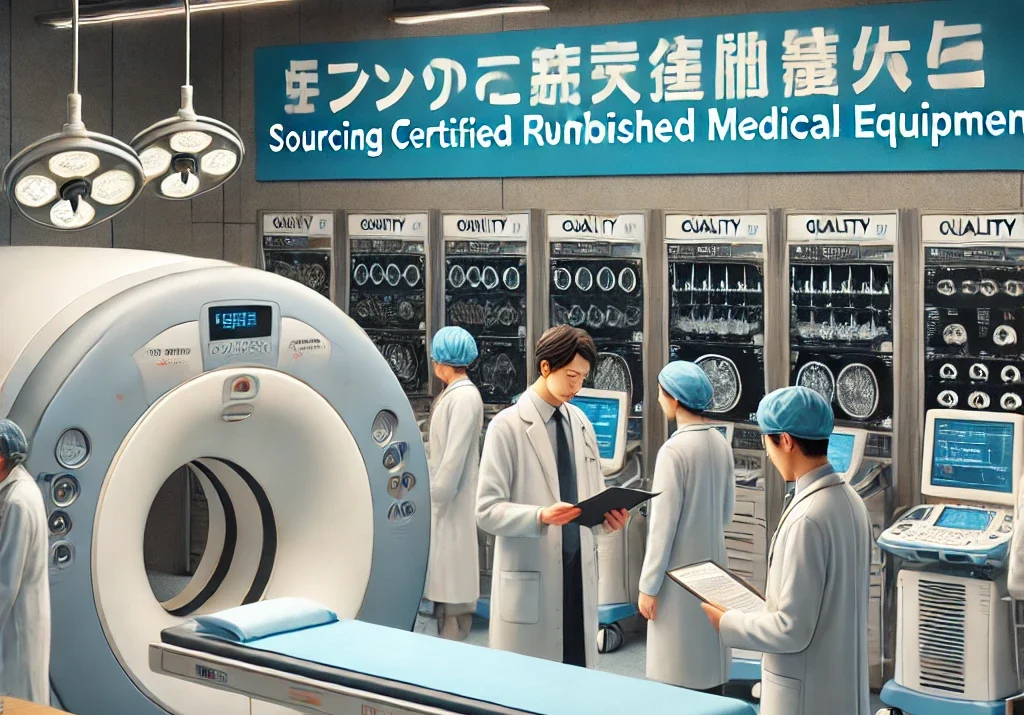
  • A Step-by-Step Guide to Sourcing Certified Refurbished Medical Equipment

    A Step-by-Step Guide to Sourcing Certified Refurbished Medical Equipment

    In today’s healthcare landscape, balancing quality patient care with budget constraints is a constant challenge. Certified refurbished medical equipment offers a compelling solution, delivering high-performance tools at a fraction of the cost of new devices. Whether it’s a refurbished MRI scanner, surgical instruments, or patient monitors, these items can enhance a facility’s capabilities without breaking the bank. However, sourcing certified refurbished equipment requires careful planning to ensure safety, compliance, and reliability. This step-by-step guide walks healthcare providers through the process of acquiring certified refurbished medical equipment, from defining needs to final integration, ensuring a seamless and confident purchase.

    Step 1: Define Your Needs and Budget

    The first step in sourcing refurbished medical equipment is to clearly identify your facility’s requirements. What specific devices are needed—diagnostic imaging systems, surgical tools, or monitoring devices? Consider the clinical applications, patient volume, and the level of technology required. For instance, a rural clinic may need a reliable ultrasound machine for basic diagnostics, while a surgical center might prioritize a refurbished laparoscopic system.

    Next, establish a budget. Refurbished equipment typically costs 30-70% less than new devices, but prices vary based on brand, condition, and complexity. Factor in not just the purchase price but also installation, training, and ongoing maintenance costs. Defining these parameters upfront narrows your search and ensures you target equipment that aligns with both clinical and financial goals.

    Step 2: Research Reputable Suppliers

    Not all refurbished equipment is created equal, and the supplier you choose plays a critical role in ensuring quality and certification. Look for vendors with a strong reputation in the medical refurbishment industry. Companies like Bond Japan, GE Healthcare (through its GoldSeal program), or Siemens Healthineers are known for their rigorous refurbishment processes and certified products. Check for suppliers with experience in your specific equipment type—some specialize in imaging systems, while others focus on surgical tools.

    Verify the supplier’s credentials. Are they registered with regulatory bodies like the FDA (in the U.S.) or certified under ISO 13485, the international standard for medical device quality management? Online reviews, industry forums, and recommendations from peers can also provide insight into a supplier’s reliability. A reputable vendor will offer transparency about their refurbishment process and certifications.

    Step 3: Confirm Certification and Regulatory Compliance

    Certification is the hallmark of trustworthy refurbished equipment. Certified devices have been restored to meet original manufacturer specifications and comply with local and international regulations. Depending on your region, this might include FDA approval (U.S.), CE marking (EU), or PMD Act compliance (Japan). Ask the supplier for documentation proving certification, such as a Certificate of Conformance or refurbishment report.

    Ensure the equipment meets your country’s regulatory standards. For example, a device refurbished in Japan may comply with PMDA requirements but still need FDA clearance for use in the U.S. Request details on the refurbishment process—how parts were replaced, how sterilization was performed, and what tests were conducted. This step safeguards patient safety and protects your facility from legal risks.

    Step 4: Evaluate Equipment Condition and History

    Once you’ve identified potential suppliers and confirmed certification, dive into the specifics of the equipment. Request a detailed history of the device, including its original manufacture date, prior usage, and refurbishment details. Was it sourced from a hospital trade-in, surplus inventory, or a lease return? Understanding its background helps assess its remaining lifespan and reliability.

    Ask about the refurbishment extent. Were worn components replaced with OEM (original equipment manufacturer) parts? Was software updated? For complex systems like CT scanners, inquire about calibration and performance testing. Reputable suppliers often provide “before and after” reports or photos to demonstrate the refurbishment quality. If possible, request a serial number to trace the device’s journey.

    Step 5: Request Documentation and Warranties

    Comprehensive documentation is non-negotiable when sourcing certified refurbished equipment. This should include:

      • A refurbishment certificate outlining the process and compliance.
      • Test results verifying performance and safety.
      • User manuals and maintenance guidelines.
      • A warranty statement detailing coverage duration and terms.

    Warranties for refurbished equipment typically range from 6 months to 2 years, shorter than those for new devices but still a critical safety net. Clarify what the warranty covers—parts, labor, or both—and the supplier’s support process for repairs or replacements. Strong documentation and warranty terms reflect the supplier’s confidence in their product and provide peace of mind.

    Step 6: Arrange a Demonstration or Trial

    Seeing is believing, especially with refurbished equipment. Request a live demonstration or, if feasible, a trial period to assess the device in action. For smaller items like surgical instruments, this might involve inspecting samples; for larger systems like an MRI, a virtual demo or site visit may suffice. Test key metrics—image clarity for imaging devices, precision for surgical tools, or accuracy for monitors—to ensure they meet your standards.

    If a demo isn’t possible, ask for references from other buyers who’ve used the same model. Their feedback can validate the equipment’s performance and the supplier’s service quality. This hands-on evaluation minimizes the risk of surprises after purchase.

    Step 7: Negotiate Pricing and Terms

    With your due diligence complete, it’s time to finalize the deal. Refurbished equipment prices are often negotiable, especially if buying in bulk or from a supplier eager to move inventory. Compare quotes from multiple vendors to ensure competitive pricing, but don’t sacrifice quality for the lowest bid. Discuss payment terms—some suppliers offer financing or lease-to-own options, easing the financial burden.

    Clarify delivery timelines, shipping costs, and installation support. For complex devices, confirm whether the supplier provides technician assistance or training for your staff. Lock in these details in a written contract to avoid misunderstandings.

    Step 8: Receive, Inspect, and Integrate

    Upon delivery, inspect the equipment immediately. Cross-check it against the documentation—serial numbers, condition, and included accessories—to ensure everything matches your agreement. Perform an in-house test to verify functionality before integrating it into clinical use. For high-stakes devices, involve biomedical engineers to certify safety and performance.

    Once approved, train staff on proper operation and maintenance, using the provided manuals or supplier-led sessions. Establish a maintenance schedule to prolong the equipment’s lifespan and ensure ongoing compliance with regulatory standards.

    Conclusion

    Sourcing certified refurbished medical equipment is a strategic process that blends research, evaluation, and collaboration. By defining needs, partnering with reputable suppliers, and verifying certification, healthcare providers can secure reliable devices that enhance care without straining budgets. Each step—from assessing condition to final integration—builds confidence in the equipment’s quality and compliance. With this guide, facilities can navigate the refurbishment market effectively, unlocking the benefits of cost-effective, certified solutions for years to come.
  • Regulatory Compliance for Refurbished Medical Devices

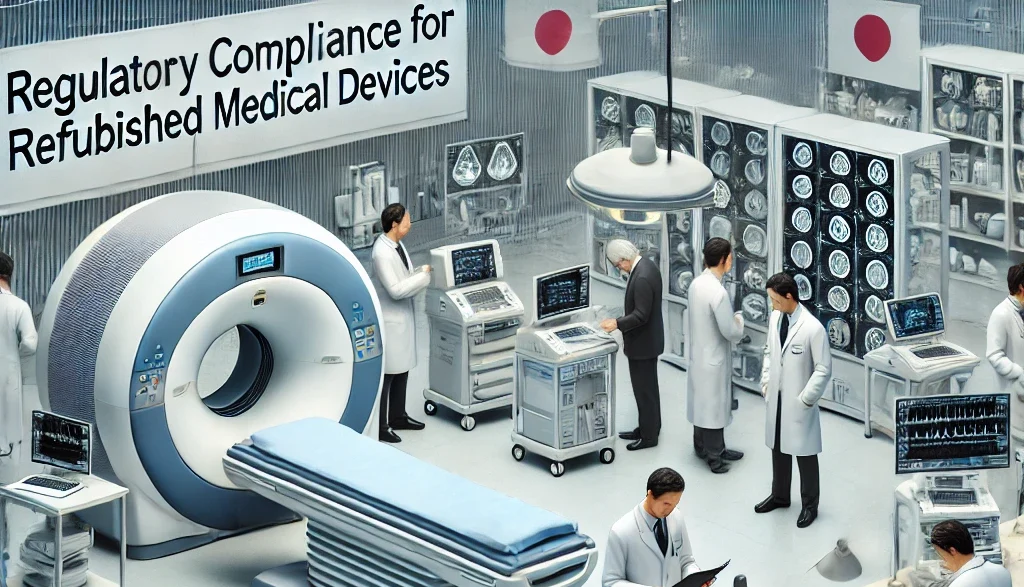
    Regulatory Compliance for Refurbished Medical Devices

    Refurbished medical devices have surged in popularity as a cost-effective and sustainable alternative to brand-new equipment, offering healthcare providers access to high-quality tools at a fraction of the cost. From refurbished surgical instruments to imaging systems, these devices promise performance and reliability—provided they meet stringent regulatory standards. However, ensuring compliance with local and international regulations is a complex process that demands diligence from refurbishers, suppliers, and end-users alike. This article explores the regulatory landscape for refurbished medical devices, the key standards governing their use, the challenges involved, and best practices to ensure safety and legality in healthcare settings worldwide.

    The Importance of Regulatory Compliance

    Medical devices—whether new or refurbished—are critical tools in patient care, where precision, safety, and efficacy are non-negotiable. Regulatory compliance ensures that refurbished devices meet the same performance and safety benchmarks as their new counterparts, protecting patients, clinicians, and healthcare institutions from risks like equipment failure, contamination, or inaccurate diagnostics. Non-compliance can lead to severe consequences, including legal penalties, financial losses, and harm to patients, making adherence to regulations a top priority.

    Unlike new devices, which are regulated straight from the manufacturer, refurbished devices involve additional layers of oversight. They must be restored to a condition that satisfies original design specifications while complying with current standards—a process that varies by country and region. Understanding these regulations is essential for refurbishers to maintain credibility and for healthcare providers to make informed purchasing decisions.

    Key Regulatory Frameworks Worldwide

    The regulatory landscape for refurbished medical devices differs globally, reflecting diverse healthcare priorities, economic conditions, and legal systems. Below are some of the most prominent frameworks:

      1. United States: FDA Oversight
        In the U.S., the Food and Drug Administration (FDA) classifies refurbished medical devices as “reprocessed” or “remarketed” devices under the Federal Food, Drug, and Cosmetic Act. Refurbishers are considered manufacturers and must register with the FDA, adhering to Quality System Regulation (QSR) standards (21 CFR Part 820). This includes requirements for design control, testing, labeling, and adverse event reporting. For high-risk devices (e.g., pacemakers or ventilators), a 510(k) premarket notification may be required to demonstrate equivalence to the original device. The FDA also mandates strict sterilization and validation processes to eliminate infection risks.
      1. European Union: MDR Compliance
        The EU’s Medical Device Regulation (MDR), effective since May 2021, governs refurbished devices under Regulation (EU) 2017/745. Entities that “fully refurbish” devices—restoring them to original performance levels—are treated as manufacturers, requiring CE marking to signify compliance. This involves a conformity assessment, technical documentation, and adherence to safety and performance requirements. Unlike the U.S., the EU allows refurbished devices to be remarketed under the original CE mark in some cases, provided refurbishment is minimal and documented appropriately. Post-market surveillance and vigilance reporting are also mandatory.
      1. Japan: PMD Act Standards
        Japan regulates refurbished medical devices under the Pharmaceuticals and Medical Devices Act (PMD Act), overseen by the Pharmaceuticals and Medical Devices Agency (PMDA). Refurbishers must obtain marketing authorization and comply with Good Quality Practice (GQP) and Good Vigilance Practice (GVP) standards. Japan’s rigorous approach ensures that refurbished devices meet the same safety and efficacy criteria as new ones, with a focus on traceability and quality control. Given Japan’s reputation for precision, its refurbished devices often set a high bar globally.
      1. Other Regions
        In countries like India, refurbished devices fall under the Medical Device Rules, 2017, requiring import licenses and compliance with ISO 13485 standards. Developing nations may have less stringent regulations, often adopting frameworks like the WHO’s guidelines for medical device donations, which emphasize functionality and safety. Harmonization efforts, such as those by the International Medical Device Regulators Forum (IMDRF), aim to standardize requirements globally, but variations persist.

    Challenges in Ensuring Compliance

    Navigating regulatory compliance for refurbished medical devices presents several challenges:

      • Diverse Standards: Differing regulations across regions complicate global trade. A device compliant in the EU may not meet FDA requirements, requiring refurbishers to tailor processes for each market.
      • Documentation Gaps: Refurbishers must provide detailed records of a device’s history, refurbishment process, and testing—information that may be incomplete for older or surplus equipment.
      • Risk Classification: Determining whether a refurbished device retains its original risk class (e.g., Class II vs. Class III) can be contentious, affecting the level of scrutiny required.
      • Sterilization and Safety: Ensuring devices are free of contaminants or defects demands advanced techniques, especially for complex systems like endoscopes or ventilators.
      • Perception and Trust: Regulatory compliance alone may not overcome skepticism from healthcare providers wary of “used” equipment, necessitating transparency and certification.

    The Refurbishment Process and Compliance

    To meet regulatory standards, refurbishers follow a structured process:

      1. Sourcing: Devices are acquired from credible sources, such as hospitals or manufacturers, with documented histories where possible.
      1. Assessment: Each device is inspected for wear, damage, or obsolescence, ensuring it can be restored to original specifications.
      1. Restoration: Worn parts are repaired or replaced using OEM components, and software is updated if applicable.
      1. Sterilization: Devices undergo rigorous cleaning and sterilization to eliminate biological hazards, adhering to standards like ISO 17664.
      1. Testing: Performance, safety, and accuracy are verified through calibration and validation, often exceeding original factory tests.
      1. Certification and Labeling: Compliance is documented, and devices are labeled with refurbishment details, serial numbers, and regulatory approvals.

    In regions like Japan or the EU, this process is underpinned by ISO 13485, a globally recognized quality management standard for medical devices, ensuring consistency and traceability.

    Best Practices for Healthcare Providers

    Healthcare facilities purchasing refurbished devices must take proactive steps to ensure compliance:

      • Vet Suppliers: Choose refurbishers with certifications (e.g., ISO 13485, FDA registration) and a proven track record. Reputable firms like Bond Japan or GE Healthcare’s refurbishment division are reliable options.
      • Verify Documentation: Request refurbishment records, test results, and regulatory certificates to confirm compliance.
      • Check Local Regulations: Ensure the device meets the importing country’s standards, not just the refurbisher’s home jurisdiction.
      • Perform In-House Testing: Validate performance and safety upon receipt, especially for critical applications like surgery or diagnostics.
      • Maintain Records: Document the device’s use and maintenance for regulatory audits or liability purposes.

    The Future of Regulatory Compliance

    As refurbished medical devices grow in demand—driven by cost pressures and sustainability goals—regulatory frameworks are evolving. The IMDRF and WHO are pushing for harmonized standards to simplify compliance across borders. Emerging technologies, such as AI-driven diagnostics or 3D-printed components, may also prompt updates to existing regulations, requiring refurbishers to adapt. Meanwhile, increased transparency, such as blockchain-based traceability, could enhance trust and streamline verification.

    Conclusion

    Regulatory compliance for refurbished medical devices is a cornerstone of their safe and effective use in healthcare. While the process is complex, adherence to standards like those of the FDA, EU MDR, or Japan’s PMD Act ensures that these devices deliver reliable performance at a lower cost. For refurbishers, compliance builds credibility; for healthcare providers, it safeguards patient care. By understanding the regulatory landscape and partnering with trusted suppliers, facilities can confidently integrate refurbished devices into their operations, balancing quality, affordability, and legality in an ever-demanding industry.

  • New vs. Refurbished Medical Devices: Making the Decision

    New vs. Refurbished Medical Devices: Making the Decision

    In the fast-evolving world of healthcare, medical devices play a critical role in ensuring accurate diagnostics, effective treatments, and improved patient outcomes. However, acquiring these devices—whether cutting-edge surgical tools, imaging systems, or patient monitors—presents a significant financial decision for healthcare providers. Should you invest in brand-new equipment with the latest features, or opt for refurbished devices that promise cost savings without sacrificing quality? The choice between new and refurbished medical devices is complex, influenced by factors like budget, functionality, reliability, and long-term goals. This article explores the key differences, advantages, and considerations to help healthcare facilities make an informed decision.

    Understanding New Medical Devices

    New medical devices are fresh from the manufacturer, untouched by prior use, and equipped with the latest technology. These devices—whether a state-of-the-art MRI scanner, a robotic surgery system, or a high-resolution ultrasound machine—represent the pinnacle of innovation. They come with full warranties, manufacturer support, and the assurance of pristine condition.

    The appeal of new devices lies in their cutting-edge features. For instance, a new CT scanner might offer enhanced imaging resolution or faster processing speeds, while a new surgical robot could include advanced AI integration for precision. These advancements can translate to better patient care, improved diagnostic accuracy, and streamlined workflows. Additionally, new devices often comply with the latest regulatory standards, reducing compliance risks for healthcare providers.

    However, the biggest drawback is cost. New medical devices can range from thousands to millions of dollars, depending on their complexity. For example, a new da Vinci Surgical System can exceed $1.5 million, not including maintenance, training, and accessory costs. For many hospitals, clinics, or practices—especially those in resource-limited settings—this price tag is prohibitive, forcing them to weigh the benefits against their budget constraints.

    Understanding Refurbished Medical Devices

    Refurbished medical devices, on the other hand, are pre-owned units that have been restored to full functionality through a meticulous process of inspection, repair, and testing. These devices may have been lightly used, returned, or retired due to upgrades, but they are brought back to near-original condition by specialized technicians. Reputable refurbishers replace worn parts, recalibrate systems, and ensure compliance with safety and performance standards before resale.

    The primary allure of refurbished devices is their affordability. Prices typically range from 30-70% lower than new equipment, making high-quality technology accessible to a broader range of healthcare providers. For instance, a refurbished MRI scanner that originally cost $1 million might be available for $400,000, offering significant savings. Refurbished devices also come with warranties—though shorter than those for new equipment—and support from suppliers, adding a layer of confidence for buyers.

    While refurbished devices may lack the very latest features, they often deliver proven performance, leveraging technology that has stood the test of time. A refurbished laparoscopic system from a trusted brand like Olympus or a restored patient monitor from Philips can still meet the demands of modern healthcare with reliability and precision.

    Comparing Key Factors

    To decide between new and refurbished medical devices, healthcare providers must evaluate several critical factors:

      1. Cost and Budget
        Budget is often the driving force behind this decision. New devices require a substantial upfront investment, which may strain finances or necessitate loans. Refurbished devices, by contrast, offer immediate savings, freeing up funds for other priorities like staffing, facility upgrades, or patient services. For smaller practices or facilities in developing regions, refurbished equipment can be a lifeline, enabling access to advanced care without financial overreach.
      1. Performance and Features
        New devices typically boast the latest innovations—faster processing, enhanced imaging, or smarter software—that can give clinicians a competitive edge. However, refurbished devices often provide sufficient functionality for most clinical needs. For example, a refurbished ultrasound machine from five years ago may not have 4D imaging, but it can still deliver high-quality 2D scans for routine diagnostics. The question is whether the latest features justify the cost for your specific use case.
      1. Reliability and Longevity
        New devices come with the assurance of no prior wear, potentially offering a longer lifespan. However, refurbished devices from reputable suppliers undergo rigorous testing to ensure reliability. A well-maintained refurbished surgical tool or imaging system can perform effectively for years, especially if sourced from a country like Japan, known for its durable, high-quality medical equipment. Maintenance history and refurbishment quality are key to assessing longevity.
      1. Warranty and Support
        New devices typically include extended warranties (often 1-5 years) and direct manufacturer support, minimizing downtime risks. Refurbished devices come with shorter warranties—usually 6 months to 2 years—provided by the refurbisher, not the original manufacturer. While this offers some protection, buyers must ensure the supplier is reputable and responsive to service needs.
      1. Regulatory Compliance
        New devices are guaranteed to meet current regulatory standards, such as those set by the FDA or Japan’s PMD Act. Refurbished devices must also comply, but their compliance depends on the refurbisher’s diligence. Purchasing from certified vendors ensures that refurbished equipment adheres to safety and performance guidelines, reducing legal and operational risks.
      1. Sustainability
        Environmental considerations are increasingly relevant in healthcare. Refurbished devices extend the lifecycle of existing equipment, reducing waste and the demand for raw materials. Choosing refurbished aligns with sustainable practices, an appealing factor for eco-conscious organizations. New devices, while innovative, contribute to higher resource consumption during production.

    Use Cases: When to Choose New or Refurbished

    The decision often hinges on the facility’s needs and goals:

      • Choose New:
          • When cutting-edge technology is essential (e.g., research hospitals pioneering new procedures).
          • For long-term investments in high-traffic settings where durability is paramount.
          • If budget constraints are minimal and compliance with the latest standards is non-negotiable.
          • Example: A tertiary care center needing a new robotic surgery system to attract top surgeons and patients.
      • Choose Refurbished:
          • When budget is a limiting factor but quality cannot be compromised.
          • For secondary or backup equipment in facilities with existing new devices.
          • In settings where proven, slightly older technology meets clinical demands (e.g., rural clinics or outpatient centers).
          • Example: A community hospital acquiring a refurbished MRI to expand diagnostic services affordably.

    Making an Informed Decision

    To choose wisely, healthcare providers should follow a structured approach:

      1. Assess Needs: Identify the specific clinical requirements and whether the latest features are necessary.
      1. Evaluate Suppliers: For new devices, research manufacturers; for refurbished, vet refurbishers for certifications, warranties, and track records.
      1. Consider Total Cost of Ownership: Factor in maintenance, training, and potential downtime alongside the purchase price.
      1. Test Performance: Request demonstrations or trial periods, especially for refurbished equipment.
      1. Plan for the Future: Weigh short-term savings against long-term goals, such as scalability or technological upgrades.

    Conclusion

    The choice between new and refurbished medical devices is not a one-size-fits-all decision—it’s a strategic balance of cost, quality, and purpose. New devices offer unmatched innovation and longevity, ideal for facilities pushing the boundaries of healthcare. Refurbished devices, however, provide a practical, sustainable alternative, delivering proven performance at a lower cost. By carefully evaluating their unique needs, budget, and operational context, healthcare providers can select the option that best supports their mission. In a field where precision and reliability are paramount, both new and refurbished devices have a vital role to play, ensuring that quality care remains within reach.

  • Refurbished Surgical Instruments from Japan: Precision, Quality, and Value

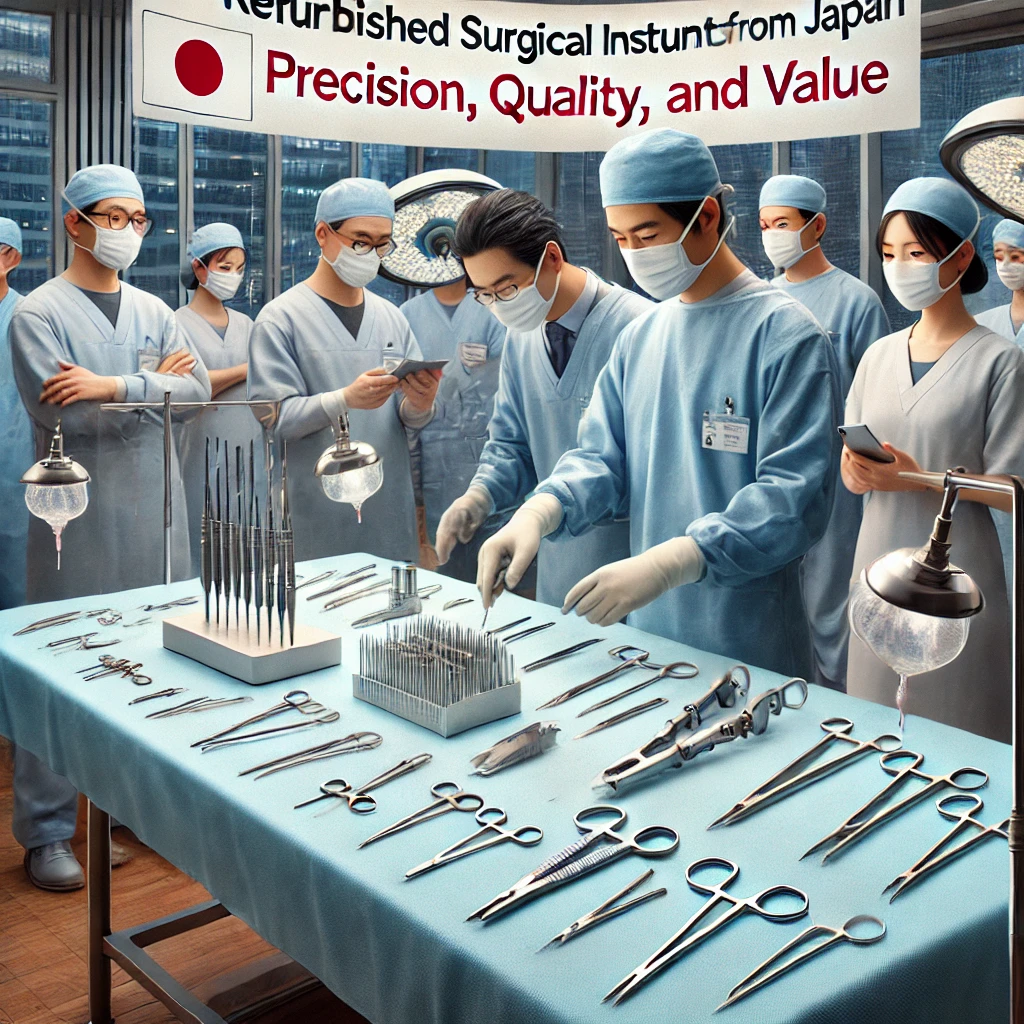
    Refurbished Surgical Instruments from Japan: Precision, Quality, and Value

    Japan is globally celebrated for its technological prowess, meticulous craftsmanship, and unwavering commitment to quality. These attributes extend seamlessly into the realm of medical technology, where Japanese surgical instruments have earned a reputation for precision and durability. However, the high cost of brand-new Japanese medical equipment can be a barrier for many healthcare providers, especially in resource-constrained settings. This is where refurbished surgical instruments from Japan come into play, offering an affordable yet reliable alternative without compromising on performance. This article delves into the world of refurbished surgical instruments from Japan, exploring their benefits, the refurbishment process, their role in global healthcare, and why they represent a smart investment for medical facilities worldwide.

    The Legacy of Japanese Surgical Instruments

    Japan’s dominance in surgical instrument manufacturing is rooted in its cultural emphasis on precision and innovation. Companies like TAKAYAMA Instrument, Inc., Fuji Flex, and larger conglomerates such as Terumo and Shimadzu have set the standard for high-quality medical tools. These instruments—ranging from microsurgical forceps to advanced laparoscopic devices—are prized for their ergonomic design, sharpness, and longevity. Crafted from premium materials like Japanese stainless steel and titanium, they embody the nation’s monozukuri philosophy, which translates to “the art of making things” with excellence.

    However, the premium quality of these instruments often comes with a steep price tag, making them inaccessible for smaller clinics, developing nations, or budget-conscious hospitals. Refurbished surgical instruments bridge this gap, delivering the same Japanese precision at a fraction of the cost. By restoring used or surplus equipment to near-original condition, refurbishment ensures that healthcare providers worldwide can access top-tier tools without breaking the bank.

    What Are Refurbished Surgical Instruments?

    Refurbished surgical instruments are pre-owned medical tools that have undergone a rigorous process of inspection, repair, cleaning, and testing to restore them to full functionality. Unlike second-hand equipment sold “as-is,” refurbished instruments meet stringent quality standards, often backed by warranties from reputable suppliers. In Japan, this process is particularly meticulous, reflecting the country’s high standards in both manufacturing and healthcare.

    The refurbishment process typically begins with sourcing instruments from hospitals, clinics, or manufacturers with excess inventory. These tools may have been lightly used, returned, or retired due to upgrades. Skilled technicians then disassemble, clean, and sterilize each piece, replacing worn components like blades or springs as needed. The instruments are tested for precision, durability, and safety before being repackaged for resale. In Japan, this process often leverages advanced technology and adheres to strict regulations, such as the Pharmaceutical and Medical Device Act (PMD Act), ensuring that refurbished products are as reliable as their new counterparts.

    Benefits of Choosing Refurbished Japanese Surgical Instruments

      1. Cost-Effectiveness
        The most immediate advantage of refurbished surgical instruments is their affordability. New Japanese instruments can cost thousands of dollars, whereas refurbished versions are typically priced at 30-70% less. This savings allows healthcare facilities to allocate resources to other critical areas, such as staff training or patient care, without sacrificing quality.
      1. Uncompromised Quality
        Japan’s reputation for excellence extends to its refurbishment industry. Companies like Bond Japan and Intermedical Co., Ltd., specialize in restoring used medical equipment, ensuring that refurbished instruments retain the precision and reliability of their original design. For example, a refurbished TAKAYAMA microsurgical forceps or a Fuji Flex laparoscopic tool can perform with the same accuracy as a new one, thanks to expert refurbishment techniques.
      1. Sustainability
        In an era where environmental responsibility is paramount, refurbishing surgical instruments aligns with sustainable healthcare practices. By extending the lifecycle of these tools, refurbishment reduces medical waste and the demand for raw materials like steel and titanium. Japanese firms, known for their eco-conscious innovations, often incorporate sustainable practices into the refurbishment process, further enhancing its appeal.
      1. Access to Advanced Technology
        Refurbished instruments provide access to cutting-edge Japanese technology that might otherwise be out of reach. For instance, a refurbished endoscopic system from Fujifilm or a robotic surgery tool from Medicaroid can bring state-of-the-art capabilities to smaller facilities, leveling the playing field in global healthcare.
      1. Warranty and Support
        Reputable Japanese suppliers often offer warranties and after-sales support for refurbished instruments, providing peace of mind to buyers. This assurance is particularly valuable in surgical settings, where equipment failure is not an option.

    The Refurbishment Process: A Japanese Standard of Excellence

    The refurbishment of surgical instruments in Japan is a highly specialized process that mirrors the precision of the country’s manufacturing sector. It typically involves several key steps:

      • Sourcing: Instruments are acquired from trusted sources, such as Japanese hospitals upgrading their equipment or manufacturers with surplus stock.
      • Inspection: Each tool is examined for wear, damage, or defects, with a focus on critical components like cutting edges and hinges.
      • Restoration: Worn parts are repaired or replaced using OEM (original equipment manufacturer) components to maintain compatibility and performance.
      • Sterilization: Instruments undergo rigorous cleaning and sterilization to eliminate any risk of contamination, adhering to Japan’s stringent healthcare standards.
      • Testing: Functionality, precision, and safety are verified through rigorous testing, often using advanced calibration tools.
      • Certification: Once approved, the instruments are certified as refurbished and packaged with detailed documentation.

    This meticulous approach ensures that refurbished instruments meet the same high standards as new ones, making them a viable option for surgeons worldwide.

    Applications in Global Healthcare

    Refurbished Japanese surgical instruments are making a significant impact across diverse healthcare settings. In developing countries, where budgets are tight, these tools enable clinics to perform complex procedures like orthopedic surgeries or cardiovascular interventions. In wealthier nations, they offer cost-effective backups or supplements to existing equipment, enhancing operational flexibility in hospitals and surgical centers.

    For example, a refurbished Japanese bone saw or scalpel can be a lifeline in rural clinics, while a restored MRI-compatible titanium forceps can support delicate neurosurgery in urban hospitals. During global health crises, such as the COVID-19 pandemic, refurbished ventilators and diagnostic tools from Japan have helped meet urgent demands, showcasing their versatility and reliability.

    Challenges and Considerations

    While refurbished surgical instruments offer numerous advantages, buyers should exercise due diligence. Not all refurbishers adhere to the same standards, and subpar processes can compromise safety. To mitigate risks, healthcare providers should source from reputable Japanese suppliers with a proven track record, such as Bond Japan or Intermedical, and verify certifications. Additionally, understanding the instrument’s history—such as its prior use and refurbishment extent—can inform purchasing decisions.

    Why Japan Stands Out in the Refurbished Market

    Japan’s refurbished surgical instruments stand apart due to the country’s unique blend of technological expertise, quality control, and regulatory oversight. Unlike some markets where refurbishment may be a haphazard process, Japan’s industry is supported by a culture of accountability and precision. Suppliers often collaborate with original manufacturers, ensuring that refurbished products align with initial design specifications. This synergy, combined with Japan’s global reputation, makes its refurbished instruments a trusted choice.

    Conclusion

    Refurbished surgical instruments from Japan offer a compelling solution for healthcare providers seeking quality, affordability, and sustainability. By combining the nation’s legendary precision with cost-effective refurbishment, these tools democratize access to advanced medical technology. Whether equipping a rural clinic or enhancing a high-tech surgical suite, they deliver exceptional value without compromise. As the demand for sustainable and accessible healthcare grows, Japan’s refurbished surgical instruments are poised to play an increasingly vital role, proving that excellence need not come at an exorbitant price.

  • The Unmatched Precision of Japanese Medical Technology

    The Unmatched Precision of Japanese Medical Technology

    Japan has long been synonymous with innovation, precision, and excellence in technology. From robotics to automotive engineering, the nation’s ability to blend tradition with cutting-edge advancements is unparalleled. Nowhere is this more evident than in the field of medical technology, where Japan has emerged as a global leader. With a healthcare system renowned for its efficiency and a culture that values meticulous attention to detail, Japanese medical technology stands out for its precision, reliability, and transformative impact on patient care. This article explores the key factors behind Japan’s dominance in this field, the groundbreaking technologies driving its success, and the global implications of its innovations.

    A Foundation Built on Precision and Discipline

    At the heart of Japan’s success in medical technology lies its cultural emphasis on precision and perfection. The Japanese concept of kaizen—continuous improvement—permeates every aspect of its industries, including healthcare. This philosophy has fostered an environment where even the smallest details are refined to achieve optimal outcomes. In medical technology, this translates to devices and systems that are not only highly accurate but also exceptionally reliable, reducing the margin for error in critical healthcare settings.

    Japan’s healthcare system itself is a testament to this precision. With one of the highest life expectancies in the world—averaging 84.6 years as of recent data—the country has invested heavily in ensuring its population receives top-tier medical care. This commitment has driven the development of technologies that address both preventative and curative needs, from early diagnostic tools to advanced surgical systems. The synergy between a robust healthcare infrastructure and technological innovation has positioned Japan as a pioneer in the global medical landscape.

    Cutting-Edge Innovations in Japanese Medical Technology

    Japanese medical technology spans a wide range of applications, each marked by an extraordinary level of sophistication. Some of the most notable advancements include robotic surgery systems, diagnostic imaging, and wearable health devices.

      1. Robotic Surgery Systems
        Japan is a leader in the development of robotic-assisted surgery, with systems like the da Vinci Surgical System and homegrown innovations such as the hinotori surgical robot. These technologies allow surgeons to perform complex procedures with unprecedented precision, minimizing invasiveness and accelerating patient recovery. The hinotori system, developed by Medicaroid Corporation, exemplifies Japan’s ability to tailor technology to specific medical needs. Its compact design and advanced imaging capabilities enable surgeons to operate with enhanced dexterity, even in confined spaces, making it a game-changer for procedures like prostatectomies and gynecological surgeries.
      1. Diagnostic Imaging
        Japan’s contributions to diagnostic imaging are equally impressive. Companies like Canon, Toshiba, and Hitachi have revolutionized medical imaging with technologies such as high-resolution MRI scanners, CT systems, and ultrasound devices. These tools provide clinicians with detailed, real-time insights into the human body, enabling early detection of diseases like cancer and cardiovascular conditions. For instance, Canon’s ultra-high-resolution CT scanners deliver images with such clarity that they can detect abnormalities at a microscopic level, offering a significant advantage in preventative care.
      1. Wearable Health Devices
        In the realm of personal healthcare, Japan has pioneered wearable devices that monitor vital signs with remarkable accuracy. Devices like Omron’s blood pressure monitors and smartwatches equipped with ECG functionality empower individuals to take charge of their health. These wearables are designed with user-friendliness in mind, reflecting Japan’s knack for combining advanced technology with practical application. Such innovations are particularly valuable in an aging society like Japan’s, where managing chronic conditions is a growing priority.

    The Role of Collaboration and Research

    Japan’s success in medical technology is not solely the result of individual ingenuity; it stems from a collaborative ecosystem that unites government, academia, and private industry. The Japanese government has played a pivotal role by funding research and development initiatives, such as those under the Ministry of Health, Labour and Welfare (MHLW) and the Japan Agency for Medical Research and Development (AMED). These organizations support projects that push the boundaries of medical science, from regenerative medicine to artificial intelligence (AI) in diagnostics.

    Universities and research institutions, such as the University of Tokyo and Osaka University, contribute by training the next generation of engineers and scientists while conducting groundbreaking studies. Meanwhile, private companies like Fujifilm, Sony, and Panasonic leverage their expertise in electronics and materials science to create medical solutions. Fujifilm, for example, has transitioned from its photography roots to become a leader in endoscopic systems and AI-driven diagnostic tools, showcasing the adaptability of Japanese firms.

    This collaborative spirit extends internationally as well. Japan frequently partners with global healthcare leaders to refine its technologies and ensure they meet diverse needs. Such partnerships have accelerated the adoption of Japanese medical innovations worldwide, from hospitals in the United States to clinics in Southeast Asia.

    Addressing Global Healthcare Challenges

    Japan’s medical technology is not just a domestic triumph—it’s a response to global healthcare challenges. With an aging population that exceeds 28% over the age of 65, Japan faces unique pressures to innovate in eldercare and chronic disease management. Technologies like robotic exoskeletons, developed by companies such as Cyberdyne, assist with mobility and rehabilitation, offering solutions that are increasingly relevant in other aging societies.

    Moreover, Japan’s focus on precision has implications for global health crises. During the COVID-19 pandemic, Japanese firms rapidly developed diagnostic kits and ventilators, demonstrating their ability to adapt to urgent needs. The precision of these tools ensured accurate testing and effective treatment, reinforcing Japan’s reputation as a reliable partner in healthcare innovation.

    The Future of Japanese Medical Technology

    Looking ahead, Japan shows no signs of slowing down. The integration of AI and machine learning into medical devices promises to further enhance diagnostic accuracy and treatment personalization. For example, AI-powered systems are being developed to analyze medical images faster and with greater precision than human clinicians, potentially revolutionizing fields like oncology and neurology.

    Regenerative medicine is another frontier where Japan excels. The country’s approval of induced pluripotent stem cell (iPSC) therapies, pioneered by Nobel laureate Shinya Yamanaka, has opened doors to repairing damaged tissues and organs. This technology, combined with Japan’s expertise in robotics and imaging, could redefine how we approach degenerative diseases and traumatic injuries.

    Sustainability is also on the horizon. Japanese companies are exploring eco-friendly materials for medical devices, aligning with global efforts to reduce healthcare’s environmental footprint. This forward-thinking approach ensures that Japan’s innovations remain relevant in an increasingly conscientious world.

    Conclusion

    The unmatched precision of Japanese medical technology is a testament to the nation’s ability to harmonize tradition, innovation, and human-centric design. From robotic surgery to wearable health monitors, Japan’s contributions have elevated the standard of care both domestically and globally. As the world faces evolving healthcare challenges, Japan’s commitment to excellence positions it as a beacon of hope and progress. With a future shaped by AI, regenerative medicine, and sustainable practices, Japanese medical technology will continue to set the benchmark for precision and reliability, improving lives one innovation at a time.

  • Success Stories with Refurbished Medical Equipment

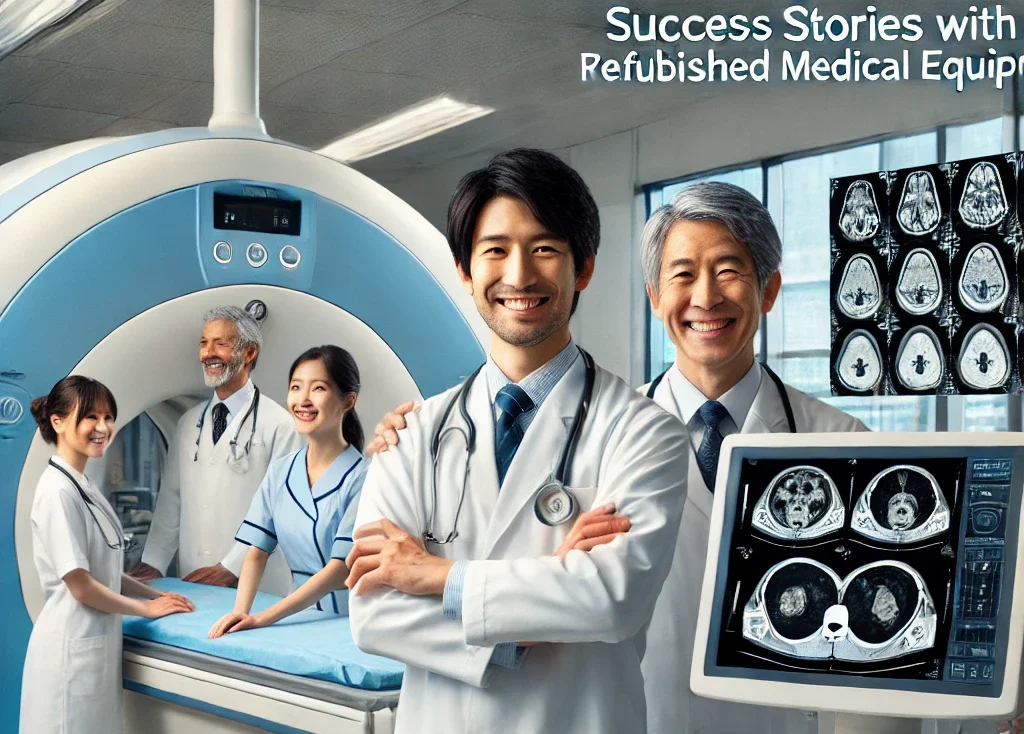
    Success Stories with Refurbished Medical Equipment

    Refurbished medical equipment has emerged as a game-changer in the healthcare industry, offering cost-effective solutions without sacrificing quality. Across the globe, hospitals, clinics, and healthcare providers have leveraged these reconditioned devices to enhance patient care, expand services, and optimize budgets. From rural facilities in developing nations to urban diagnostic centers in advanced economies, the success stories of refurbished medical equipment highlight its transformative potential. Below, we explore real-world examples and insights that demonstrate how refurbished devices are making a tangible impact in healthcare delivery.

    1. Rural Healthcare Transformation in Kenya

    In rural Kenya, where access to advanced diagnostics is often limited by cost and infrastructure, a small community hospital made headlines by acquiring a refurbished CT scanner in 2023. Purchased from a reputable supplier at nearly 50% less than the cost of a new unit, the scanner enabled the facility to diagnose conditions like traumatic brain injuries and tumors—cases previously referred to distant urban centers. With training from the refurbisher and a one-year warranty, the hospital integrated the device seamlessly into its operations.

    The result? Within six months, patient referrals dropped by 40%, and local residents gained faster access to life-saving diagnostics. The hospital recouped its investment through increased service fees, proving that refurbished equipment can empower underserved regions to bridge healthcare gaps while remaining financially viable.

    2. Cost Savings in a Japanese Diagnostic Center

    Japan, with its aging population and tightly regulated healthcare system, provides a compelling case for refurbished equipment. A private diagnostic center in Osaka faced budget constraints when planning to upgrade its imaging capabilities. Instead of purchasing a new MRI scanner—priced at over ¥150 million (approximately $1 million USD)—the center opted for a refurbished unit from a trusted Japanese supplier like Bond Japan, costing just ¥70 million.

    Installed in 2024, the refurbished MRI performed comparably to new models, thanks to updated software and rigorous reconditioning. The center reported a 30% increase in patient throughput due to faster scan times, recouping its investment within a year. This success underscored how refurbished equipment aligns with Japan’s need for cost-efficient, high-quality care, allowing facilities to serve more patients without straining finances.

    3. Expanding Capacity in a U.S. Community Hospital

    In the United States, a mid-sized community hospital in Texas faced a surge in demand for critical care during the post-pandemic recovery of 2022. Needing additional patient monitors but limited by a tight budget, the hospital turned to refurbished multi-parameter monitors sourced from a certified refurbisher. Priced at $8,000 each compared to $20,000 for new units, the hospital acquired 15 monitors—doubling its ICU capacity—for less than half the cost of new equipment.

    The refurbished monitors, restored to OEM standards, provided reliable vital sign tracking, enabling the hospital to manage a spike in respiratory and cardiac cases. Staff praised the seamless integration with existing systems, and the hospital avoided debt while maintaining care quality. This case illustrates how refurbished devices can be a lifeline for facilities adapting to unexpected demand.

    4. Ophthalmic Innovation in India

    A private eye clinic in Mumbai transformed its practice by investing in a refurbished ophthalmic laser system in 2023. With new systems costing upwards of $100,000 USD, the clinic opted for a reconditioned unit at $45,000 from an international supplier like JAPAN CENTRAL MEDICAL. Used for procedures like cataract surgery and retinal repairs, the laser delivered precision comparable to new models, thanks to meticulous refurbishment and a software upgrade.

    Within a year, the clinic increased its surgical volume by 25%, serving a growing population of elderly patients with affordable eye care. The success not only boosted revenue but also enhanced the clinic’s reputation, proving that refurbished equipment can drive specialty care in competitive markets.

    5. Disaster Response in the Philippines

    When Typhoon Carina struck the Philippines in 2024, a regional hospital in Leyte lost much of its diagnostic equipment to flooding. Facing urgent needs but limited funds, the hospital partnered with a refurbisher to acquire a used ultrasound system and X-ray machine at a fraction of new prices. Delivered within weeks, the refurbished devices—complete with warranties—enabled the hospital to resume essential imaging services during the crisis.

    The ultrasound aided in trauma assessments, while the X-ray machine diagnosed fractures and chest conditions among survivors. This rapid deployment showcased how refurbished equipment can support disaster recovery, providing immediate solutions when time and resources are critical.

    Why These Stories Matter

    These success stories highlight the versatility and value of refurbished medical equipment across diverse settings. Cost savings—often 30-60% compared to new devices—enable facilities to stretch budgets further, whether for routine upgrades or emergency needs. Quality assurance, backed by refurbishers’ testing and warranties, ensures that patient outcomes remain uncompromised. Moreover, the sustainability of reusing equipment resonates with healthcare’s growing emphasis on eco-friendly practices.

    For rural hospitals, refurbished devices bring advanced care to remote areas. In urban centers, they allow providers to scale services competitively. In emergencies, they offer quick, affordable solutions. The common thread? Refurbished equipment empowers healthcare providers to do more with less, fostering resilience and innovation.

    Looking Ahead

    As the refurbished medical device market grows—projected to reach $24 billion USD by 2029—these success stories will multiply. Technological upgrades, stricter regulations, and broader acceptance will further elevate their impact. For healthcare leaders considering refurbished options, these examples offer a blueprint: invest wisely, partner with reputable suppliers, and prioritize maintenance to unlock the full potential of reconditioned equipment.

    Conclusion

    From Kenya to Japan, the U.S. to India, and the Philippines, refurbished medical equipment is rewriting healthcare narratives. These success stories demonstrate that with the right approach, refurbished devices deliver not just savings but also hope, access, and excellence. As 2025 approaches, their role in shaping a more equitable and efficient healthcare future is undeniable—a testament to the power of innovation born from necessity.

  • Future Trends in Refurbished Medical Devices

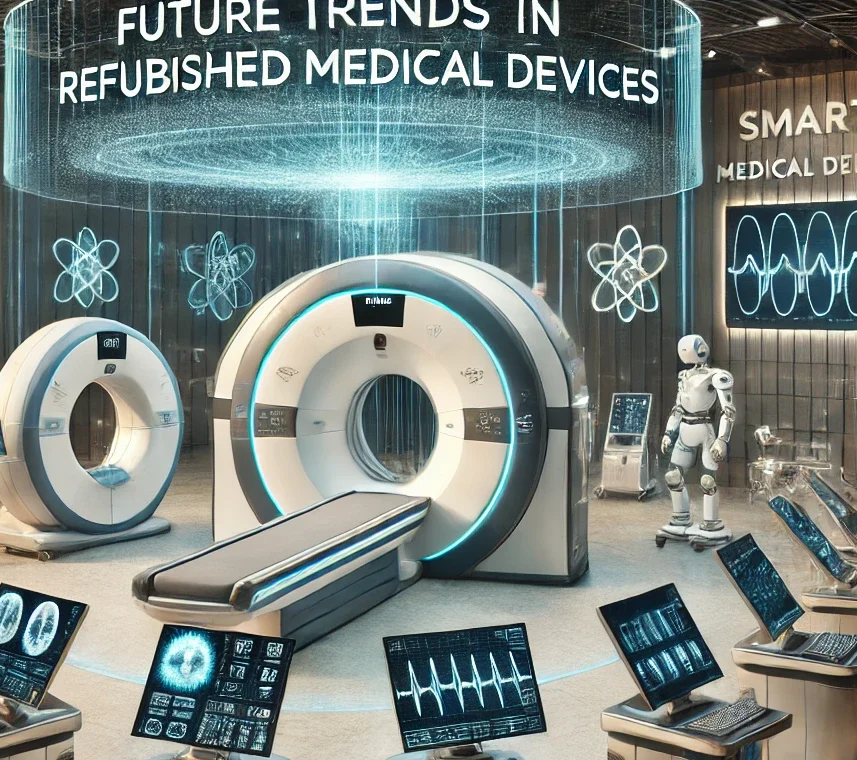
    Future Trends in Refurbished Medical Devices

    The refurbished medical devices market has emerged as a critical segment of the healthcare industry, driven by the need for cost-effective, high-quality equipment amid rising healthcare demands. As we look toward the future—particularly into 2025 and beyond—several trends are poised to shape the landscape of refurbished medical devices. From technological advancements and sustainability initiatives to evolving regulations and global market dynamics, these trends promise to enhance the value, accessibility, and appeal of refurbished equipment for hospitals, clinics, and healthcare providers worldwide. Here’s an in-depth look at the future of this burgeoning industry.

    1. Integration of Advanced Technologies

    One of the most significant trends in refurbished medical devices is the integration of cutting-edge technologies during the refurbishment process. As original equipment manufacturers (OEMs) like Siemens Healthineers, GE Healthcare, and Philips continue to innovate, refurbishers are upgrading older systems with modern features such as artificial intelligence (AI), cloud connectivity, and enhanced imaging capabilities. For instance, a refurbished MRI scanner from 2025 might include AI-driven diagnostic software that wasn’t available in its original model, improving accuracy and workflow efficiency.

    This trend allows refurbished devices to remain competitive with new equipment, bridging the gap between cost and performance. Healthcare providers benefit from access to near-state-of-the-art technology at a fraction of the price, making refurbished systems an attractive option for facilities upgrading their capabilities without massive capital investments.

    2. Growth of the Circular Economy

    Sustainability is becoming a driving force in healthcare, and refurbished medical devices are at the forefront of this shift. The circular economy model—emphasizing reuse, repair, and recycling—gains traction as hospitals and governments aim to reduce waste and carbon footprints. By refurbishing equipment like CT scanners, ultrasound machines, and patient monitors, the industry extends the lifecycle of devices that might otherwise be discarded, aligning with global environmental goals.

    Looking ahead, expect greater collaboration between refurbishers, OEMs, and healthcare providers to create standardized refurbishment protocols that maximize sustainability. In regions like Japan and the European Union, where eco-friendly practices are prioritized, this trend could lead to incentives or certifications for facilities using refurbished equipment, further boosting adoption.

    3. Expansion in Emerging Markets

    The demand for refurbished medical devices is surging in emerging markets—Africa, Southeast Asia, and Latin America—where healthcare infrastructure is expanding but budgets remain constrained. In 2025 and beyond, refurbishers will increasingly target these regions, offering cost-effective solutions like refurbished X-ray machines, ventilators, and endoscopyDW systems tailored to local needs. Companies like Bond Japan and JAPAN CENTRAL MEDICAL, already active in global exports, are well-positioned to capitalize on this trend.

    This expansion will be supported by improved logistics, such as streamlined shipping and local service networks, ensuring that refurbished equipment reaches remote or underserved areas efficiently. As these markets grow, refurbished devices will play a pivotal role in democratizing access to advanced healthcare, narrowing the gap between developed and developing regions.

    4. Stricter Regulatory Standards and Certifications

    As the refurbished medical device market matures, regulatory oversight is expected to tighten. Agencies like the U.S. Food and Drug Administration (FDA) and Japan’s Pharmaceuticals and Medical Devices Agency (PMDA) are likely to introduce more rigorous standards for refurbishment processes, quality control, and post-sale support. This trend aims to ensure patient safety and device reliability, addressing concerns about the performance of pre-owned equipment.

    In the future, certifications from third-party organizations or OEMs could become a benchmark for refurbished devices, giving buyers confidence in their purchases. For example, a refurbished ultrasound system bearing an OEM-approved seal might command higher trust and value. While this may increase costs slightly, it will enhance market credibility and encourage wider adoption across regulated healthcare systems.

    5. Rise of Subscription and Leasing Models

    Traditional outright purchases of refurbished equipment may give way to more flexible ownership models, such as subscriptions or leasing. By 2025, refurbishers and distributors could offer hospitals the ability to “rent” devices like patient monitors or MRI scanners for a monthly fee, including maintenance, upgrades, and eventual replacement. This trend reduces upfront costs and aligns with the shift toward operational expenditure (OpEx) over capital expenditure (CapEx) in healthcare budgeting.

    For smaller clinics or temporary facilities—such as those set up during public health crises—this model provides access to advanced equipment without long-term financial commitments. It also allows refurbishers to maintain a steady revenue stream while ensuring devices remain in optimal condition through regular servicing.

    6. Focus on Cybersecurity and Software Updates

    With medical devices increasingly reliant on software, cybersecurity is a growing concern. Refurbished equipment, often based on older platforms, must be updated to protect against data breaches and ensure compliance with privacy regulations like GDPR or HIPAA. In the coming years, refurbishers will prioritize integrating robust cybersecurity features—such as encrypted data transmission and regular software patches—into their offerings.

    For instance, a refurbished patient monitor from 2025 might receive firmware updates to secure networked connections, a feature not considered in its original design. This trend will be crucial as healthcare systems become more interconnected, ensuring refurbished devices remain viable in a digital-first environment.

    Conclusion

    The future of refurbished medical devices is bright, driven by innovation, sustainability, and a commitment to affordability. As technology enhances their capabilities, regulations ensure their safety, and new business models broaden their reach, refurbished equipment will become an indispensable part of the global healthcare ecosystem. By 2025, expect a market that not only saves money but also delivers advanced, eco-friendly solutions to meet the evolving needs of patients and providers. For healthcare facilities looking to stay competitive, embracing these trends in refurbished medical devices will be a strategic move toward a more efficient and equitable future.

  • JAPAN CENTRAL MEDICAL Used Medical Equipment from Japan

    JAPAN CENTRAL MEDICAL Used Medical Equipment from Japan

    In the global healthcare industry, access to high-quality medical equipment is a cornerstone of effective patient care. However, the prohibitive costs of new devices often pose a challenge for hospitals, clinics, and medical facilities worldwide. JAPAN CENTRAL MEDICAL (JCM), a Tokyo-based leader in the export of used medical equipment, addresses this challenge by offering affordable, reliable, and expertly handled solutions sourced directly from Japan. Specializing in a diverse range of equipment—including video endoscopy systems, ultrasounds, CT scanners, MRIs, and ophthalmic lasers—JCM has earned a reputation for trust, flexibility, and excellence. Here’s why JCM stands out as a premier provider of used medical equipment and how it supports healthcare providers across the globe.

    A Legacy of Expertise and Reliability

    Founded with a mission to bridge the gap between quality and affordability, JAPAN CENTRAL MEDICAL has become an industry leader in exporting used medical equipment from Japan. Operating out of its offices in Tokyo and Kyoto, JCM leverages Japan’s reputation for precision and technological innovation to deliver equipment that meets international standards. With years of experience shipping to numerous countries, the company has honed a process that prioritizes reliability, customer satisfaction, and meticulous attention to detail.

    JCM’s commitment to quality begins with its sourcing. Japan’s healthcare system is known for its rigorous maintenance standards, meaning that even pre-owned equipment is often in excellent condition. JCM carefully selects devices from this pool, ensuring they are thoroughly inspected and tested before export. Whether it’s a complex MRI system or a compact ultrasound unit, every piece of equipment is handled with professionalism, making JCM a trusted partner for healthcare providers worldwide.

    Comprehensive Product Range

    JAPAN CENTRAL MEDICAL offers an extensive inventory tailored to meet diverse medical needs. For diagnostic imaging, they provide used CT scanners, MRI machines, and X-ray systems—equipment essential for detecting and managing conditions like cancer, cardiovascular disease, and neurological disorders. These high-value systems, often unaffordable when new, become accessible through JCM’s competitive pricing, enabling facilities to expand their diagnostic capabilities.

    Beyond imaging, JCM excels in supplying video endoscopy equipment, a critical tool for minimally invasive procedures in gastroenterology, pulmonology, and beyond. Their ultrasound systems cater to specialties like obstetrics and cardiology, while ophthalmic lasers serve eye care professionals seeking precision at a lower cost. This variety ensures that whether you’re outfitting a large hospital or a small clinic, JCM has the equipment to match your requirements.

    Cost-Effective Solutions with Quality Assurance

    The financial benefits of choosing JCM’s used medical equipment are undeniable. A new CT scanner, for instance, might cost upwards of ¥100 million (approximately $700,000 USD), while a used unit from JCM could be acquired for significantly less—often 30-50% of the original price. This affordability doesn’t come at the expense of quality. Each device is evaluated by professional engineers to ensure it performs to its original specifications, and many come with detailed histories of prior maintenance and use.

    For healthcare providers in developing nations or rural areas, where budgets are constrained, JCM’s offerings are a game-changer. A refurbished ultrasound machine or an X-ray system can bring advanced diagnostics to underserved communities, improving patient outcomes without the burden of excessive costs. JCM’s focus on low prices paired with high reliability makes it an ideal choice for facilities aiming to optimize resources.

    Professional Handling and Global Shipping

    One of JCM’s standout features is its emphasis on safe and efficient handling, particularly for large or delicate equipment. Devices like CT scanners, MRIs, and X-ray machines require expert uninstallation to prevent damage. JCM employs professional engineers to oversee this process, ensuring that every unit is carefully dismantled, packed, and prepared for shipment. Their packaging—using strong boxes, bubble wrap, and secure methods—guarantees that equipment arrives in pristine condition, whether shipped by EMS, FedEx, DHL, or sea freight in 20-foot containers.

    JCM’s global shipping experience spans multiple continents, with tailored logistics to suit each destination. For example, shipping a CT scanner from Osaka to Mumbai might start at $1,300 USD, while a shipment to New York could begin at $4,100 USD. Clients can choose their preferred carrier, and JCM’s multilingual staff—fluent in English and Japanese—provide seamless communication via email, telephone, or Skype, ensuring a smooth transaction from inquiry to delivery.

    Supporting Global Healthcare

    By exporting used medical equipment, JAPAN CENTRAL MEDICAL plays a vital role in global healthcare equity. Facilities in regions with limited access to advanced technology benefit from JCM’s affordable solutions, enabling them to offer services that were previously out of reach. This aligns with Japan’s broader ethos of innovation and resourcefulness, repurposing high-quality equipment to serve new purposes worldwide.

    Moreover, JCM’s approach contributes to sustainability. By extending the lifespan of medical devices, they reduce waste and the demand for new manufacturing, supporting eco-friendly practices in healthcare. This dual focus on affordability and environmental responsibility enhances JCM’s appeal to forward-thinking providers.

    Why JCM?

    JAPAN CENTRAL MEDICAL combines affordability, quality, and professionalism in a way few competitors can match. Their flexible, customer-focused approach—backed by a team ready to answer questions in multiple languages—ensures that every purchase is tailored to the buyer’s needs. From small clinics to large hospitals, JCM’s used medical equipment empowers healthcare providers to deliver exceptional care without financial strain.

    Conclusion

    For healthcare facilities seeking reliable, cost-effective medical equipment, JAPAN CENTRAL MEDICAL offers an unmatched solution. With a wide range of meticulously handled devices, competitive pricing, and a commitment to global service, JCM is redefining access to healthcare technology. As the demand for affordable equipment grows in 2025 and beyond, JAPAN CENTRAL MEDICAL remains a trusted partner, delivering Japan’s renowned quality to the world, one device at a time.

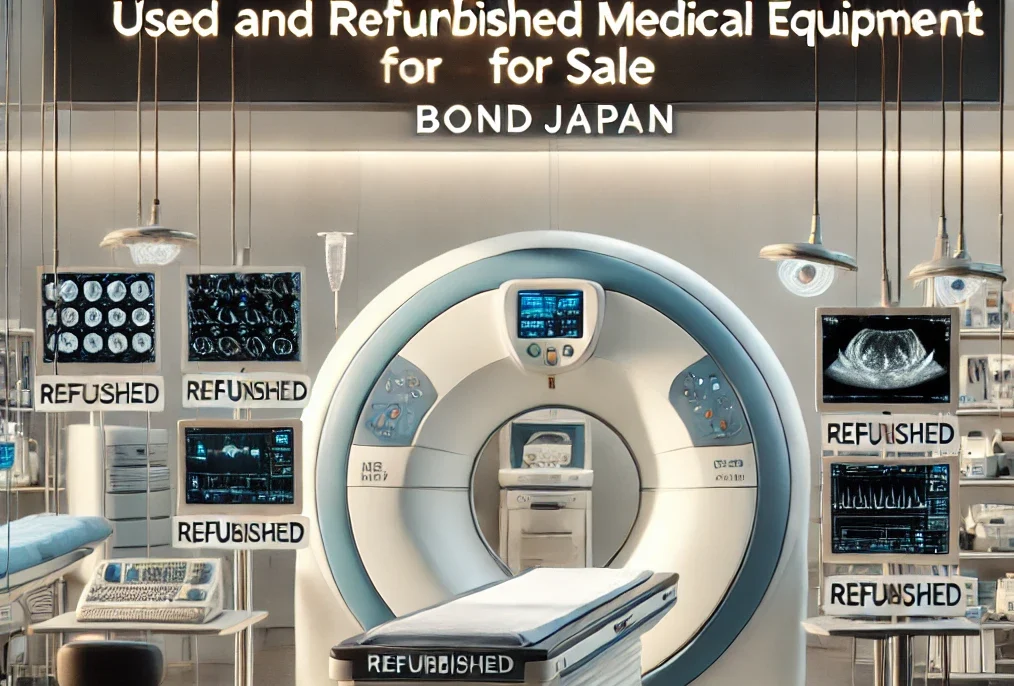
  • Used and Refurbished Medical Equipment for sale | Bond Japan

    Used and Refurbished Medical Equipment for sale | Bond Japan

    In the fast-paced world of healthcare, access to reliable, high-quality medical equipment is essential for delivering exceptional patient care. However, the steep costs of brand-new devices often place a significant burden on hospitals, clinics, and medical facilities, particularly in budget-conscious markets. This is where Bond Japan steps in as a trusted global provider of used and refurbished medical equipment. Specializing in a wide range of systems—from advanced imaging technologies like MRI and CT scanners to smaller devices such as endoscopes and ultrasound machines—Bond Japan offers affordable, dependable solutions without compromising on quality. Here’s why healthcare providers worldwide turn to Bond Japan for their equipment needs and how their offerings stand out in the competitive medical device market.

    A Trusted Name in Refurbished Medical Equipment

    Bond Japan has built a reputation as a leading wholesaler and distributor of reconditioned medical equipment, serving over 50 countries for more than a decade. Based in Japan—a country renowned for its precision engineering and stringent quality standards—the company combines technical expertise with a customer-centric approach. Their inventory includes products from top-tier brands like GE, Siemens, Philips, Olympus, Hitachi, Canon, and Fujifilm, ensuring that buyers receive equipment from manufacturers synonymous with innovation and reliability.

    What sets Bond Japan apart is its commitment to quality. Every piece of equipment undergoes a meticulous refurbishment process, including testing, cleaning, and inspection by skilled technicians. This ensures that each device meets rigorous performance standards, often rivaling that of new systems. Additionally, Bond Japan offers warranties and support services, providing peace of mind to buyers who might otherwise hesitate to invest in pre-owned equipment.

    A Diverse Range of Equipment

    Bond Japan’s product catalog is as extensive as it is impressive, catering to a variety of medical specialties and facility sizes. For large-scale diagnostic needs, they offer refurbished CT scanners, MRI machines, and X-ray systems—equipment that would otherwise cost millions of yen if purchased new. These high-demand items are ideal for hospitals and imaging centers looking to expand capabilities without breaking the bank.

    For smaller facilities or specialized practices, Bond Japan provides an array of compact yet powerful devices. Their selection of ultrasound systems ranges from traditional black-and-white models to cutting-edge 3D/4D machines, suitable for obstetrics, cardiology, and general diagnostics. Similarly, their endoscopy systems—featuring brands like Olympus, Fujinon, and Pentax—include everything from fiberscopes to HighVision setups, supporting minimally invasive procedures with precision. Other offerings, such as hematology analyzers, ventilators, and anesthesia machines, round out a portfolio designed to meet diverse healthcare needs.

    Cost Savings Without Compromise

    One of the primary advantages of purchasing from Bond Japan is the significant cost savings. New medical equipment often comes with a premium price tag that includes the latest features and branding, but refurbished options from Bond Japan deliver comparable functionality at a fraction of the cost—sometimes 30-60% less than new models. For example, a refurbished MRI scanner that might retail for ¥150 million new could be acquired for under ¥75 million, depending on its condition and specifications.

    This affordability is particularly valuable for healthcare providers in developing countries or rural areas, where budgets are tight, and access to advanced technology can be limited. By offering lightly used demo systems and fully reconditioned units, Bond Japan enables these facilities to enhance patient care without incurring unsustainable debt. The inclusion of warranties further reduces financial risk, making their equipment a smart investment for cost-conscious buyers.

    Sustainability and Global Impact

    Beyond economics, Bond Japan contributes to a more sustainable healthcare ecosystem. Refurbishing medical equipment extends the lifecycle of devices that might otherwise end up in landfills, aligning with global efforts to reduce waste and conserve resources. This eco-friendly approach resonates with healthcare providers aiming to minimize their environmental footprint while maintaining high standards of care.

    The company’s global reach amplifies this impact. By exporting refurbished systems to over 50 countries, Bond Japan supports medical infrastructure development worldwide. A refurbished ultrasound machine in a rural clinic or a reconditioned CT scanner in a regional hospital can transform healthcare delivery, making advanced diagnostics and treatments accessible where they were previously out of reach.

    Why Choose Bond Japan?

    Bond Japan’s success stems from its blend of quality, variety, and customer support. Their team of knowledgeable technicians ensures that every device is thoroughly vetted, while their worldwide distribution network guarantees timely delivery. Whether you’re a hospital administrator seeking a full imaging suite or a small practice needing a single ultrasound unit, Bond Japan tailors its offerings to meet specific needs. Their multilingual support and flexible purchasing options further simplify the buying process for international clients.

    For healthcare providers looking to balance cost, quality, and sustainability, Bond Japan stands as a reliable partner. Their used and refurbished medical equipment not only saves money but also empowers facilities to deliver cutting-edge care. As the demand for affordable healthcare solutions grows in 2025 and beyond, Bond Japan’s role in the industry is poised to expand, solidifying its status as a go-to source for reconditioned medical technology.

    Conclusion

    Bond Japan offers a compelling solution for healthcare providers seeking high-quality medical equipment at affordable prices. With a diverse inventory, rigorous refurbishment standards, and a global presence, they bridge the gap between cost and capability. From MRI scanners to endoscopes, their products enable facilities to enhance patient care while staying within budget—a win-win in today’s challenging healthcare landscape. For those in search of used and refurbished medical equipment, Bond Japan delivers value, reliability, and a commitment to excellence that’s hard to match.

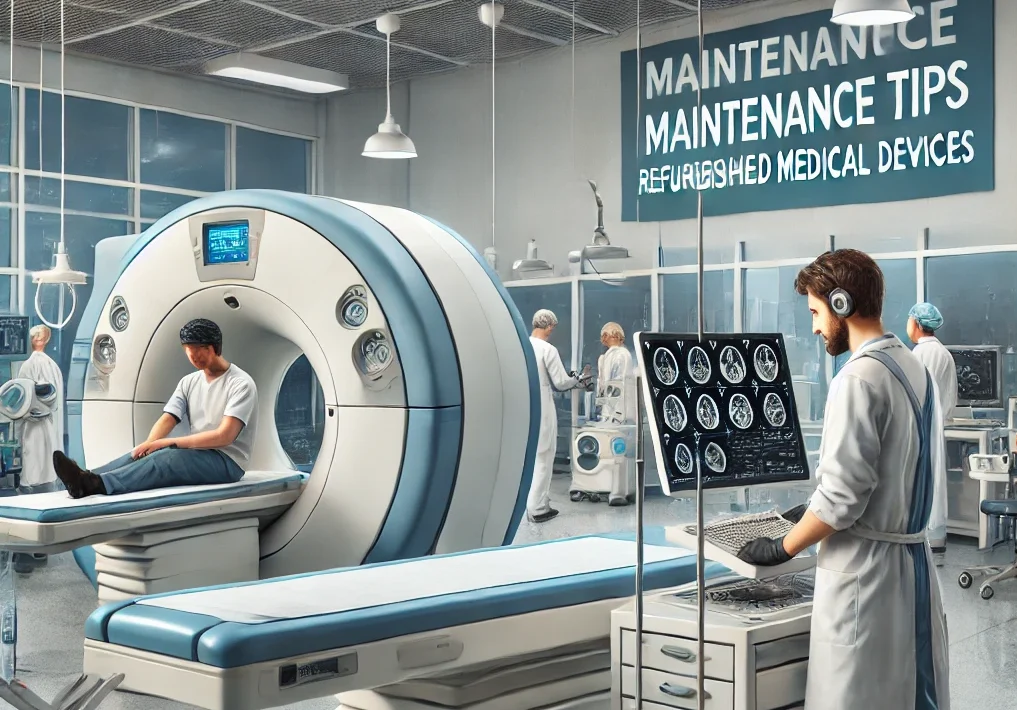
  • Maintenance Tips for Refurbished Medical Devices

    Maintenance Tips for Refurbished Medical Devices

    Refurbished medical devices offer hospitals, clinics, and healthcare providers a cost-effective alternative to purchasing brand-new equipment. These pre-owned systems—such as MRI scanners, ultrasound machines, patient monitors, and endoscopes—are restored to meet original manufacturer standards, providing reliable performance at a fraction of the cost. However, to ensure their longevity, accuracy, and safety, proper maintenance is essential. Unlike new equipment, refurbished devices may have unique considerations due to their prior use. Below are expert maintenance tips to keep refurbished medical devices in top condition, maximizing their value and ensuring optimal patient care.

    1. Follow Manufacturer Guidelines and Service Schedules

    Every medical device, whether new or refurbished, comes with manufacturer-specific maintenance recommendations. For refurbished equipment, adhering to these guidelines is critical to preserve functionality and comply with safety regulations. Upon acquisition, obtain the device’s service manual—either from the refurbisher or the original equipment manufacturer (OEM)—and review its recommended maintenance intervals, calibration procedures, and part replacement schedules.

    For example, a refurbished CT scanner might require quarterly calibration of its imaging sensors, while an ultrasound machine may need annual transducer checks. Schedule regular preventive maintenance with certified technicians to address wear-and-tear components like belts, filters, or batteries before they fail. By staying proactive, you can avoid costly downtime and ensure the device performs as expected.

    2. Train Staff on Proper Handling and Use

    The longevity of refurbished medical devices heavily depends on how they are handled daily. Improper use can accelerate wear or cause malfunctions, particularly in devices with delicate components, such as endoscopy systems or patient monitors. Invest in comprehensive training for all staff members—doctors, nurses, and technicians—who interact with the equipment.

    Training should cover operational protocols, cleaning procedures, and storage guidelines specific to each device. For instance, refurbished MRI scanners require careful attention to magnet cooling systems, while ultrasound probes must be cleaned with approved disinfectants to avoid damage. Well-trained staff reduce the risk of user error, extending the device’s lifespan and maintaining its reliability for critical healthcare tasks.

    3. Perform Regular Cleaning and Sterilization

    Refurbished medical devices, like their new counterparts, must be kept clean to prevent contamination and ensure patient safety. However, because these devices have a history of prior use, extra vigilance is warranted. Establish a routine cleaning schedule tailored to each piece of equipment, using only manufacturer-approved cleaning agents and methods.

    For example, refurbished endoscopes require meticulous cleaning and sterilization of their scopes and channels to prevent infections, while patient monitors need regular wiping of screens and sensors to remove dust and residue. Avoid harsh chemicals that could degrade refurbished components, such as plastic casings or rubber seals, which may already have some age-related wear. Consistent cleaning not only enhances safety but also preserves the device’s operational efficiency.

    4. Monitor Performance and Calibrate Regularly

    Refurbished devices may have undergone extensive reconditioning, but their performance must be monitored to detect subtle shifts that could affect diagnostic or therapeutic outcomes. Regular calibration is key to maintaining accuracy, especially for imaging systems like refurbished MRI or CT scanners, where precise measurements are non-negotiable.

    Implement a performance tracking system—manual logs or software-based monitoring—to record metrics like image quality, signal strength, or response time. Schedule calibration checks with qualified biomedical engineers, ideally in line with the refurbisher’s recommendations or industry standards (e.g., every 6-12 months for diagnostic equipment). Early detection of deviations allows for timely adjustments, preventing larger issues that could compromise patient care or lead to expensive repairs.

    5. Partner with Certified Service Providers

    While in-house maintenance teams can handle routine tasks, refurbished medical devices often require specialized expertise for repairs or part replacements. Partnering with certified service providers—preferably those recommended by the refurbisher or OEM—ensures that repairs meet regulatory and quality standards. This is particularly important in regions like Japan, where the Pharmaceuticals and Medical Devices Agency (PMDA) sets strict guidelines for medical equipment upkeep.

    For instance, a refurbished patient monitor might need a new circuit board, or an MRI system could require a helium refill for its magnet. Certified technicians have access to authentic parts and the technical know-how to address these needs without voiding warranties or certifications. Establish a service contract to streamline maintenance and gain priority support, minimizing disruptions to healthcare delivery.

    6. Store Equipment Properly When Not in Use

    Proper storage is often overlooked but plays a vital role in maintaining refurbished medical devices. Exposure to extreme temperatures, humidity, or dust can degrade components, especially in older refurbished units. Follow storage guidelines specific to each device: keep ultrasound probes in protective cases, store patient monitors away from direct sunlight, and ensure MRI or CT scanners remain in climate-controlled environments.

    For portable refurbished devices, such as defibrillators or handheld ultrasound units, use designated storage carts or cabinets to prevent accidental drops or damage. Proper storage reduces wear on moving parts and electronics, preserving the device’s condition between uses and extending its operational life.

    7. Keep Spare Parts and Software Updated

    Refurbished equipment may rely on components that are no longer in production, making spare parts a critical consideration. Work with your refurbisher or supplier to identify and stock essential spares—like X-ray tubes for CT scanners or transducers for ultrasound systems—before they become obsolete. This foresight prevents prolonged downtime if a part fails unexpectedly.

    Additionally, ensure the device’s software remains current. Refurbished systems often come with updated firmware, but ongoing patches or upgrades may be released to improve functionality or address security vulnerabilities. Regularly check with the refurbisher or OEM for software updates, and install them promptly to maintain compatibility and performance.

    Conclusion

    Refurbished medical devices are a smart investment for cost-conscious healthcare providers, but their value hinges on diligent maintenance. By following manufacturer guidelines, training staff, cleaning routinely, monitoring performance, partnering with experts, storing properly, and keeping parts and software current, you can maximize the lifespan and reliability of these systems. In 2025, as the refurbished equipment market continues to grow, these maintenance practices will be essential to safeguarding patient outcomes and protecting your investment. With the right care, refurbished devices can deliver years of dependable service, proving that cost savings and quality care can go hand in hand.