Blog

  • Japan’s Premier Supplier of High-End Refurbished Medical Equipment: Quality, Innovation, and Reliability

    Japan’s Premier Supplier of High-End Refurbished Medical Equipment: Quality, Innovation, and Reliability

    In the fast-evolving medical landscape, the demand for high-quality, cost-effective medical equipment is more critical than ever. Hospitals, clinics, and healthcare providers are constantly searching for reliable solutions that balance performance with budget constraints. Japan, known for its technological advancements and commitment to excellence, has emerged as a leader in the refurbished medical equipment sector. With a strong focus on precision, quality, and customer satisfaction, Japan’s premier supplier of high-end refurbished medical equipment is setting new benchmarks in the industry.

    The Growing Demand for Refurbished Medical Equipment

    The global market for refurbished medical equipment has witnessed substantial growth in recent years. Economic pressures, sustainability initiatives, and the rising need for advanced medical technology have driven healthcare providers to consider refurbished solutions. Japan, with its stringent quality control measures and state-of-the-art refurbishment processes, has positioned itself at the forefront of this industry.

    Refurbished medical equipment provides a viable alternative to new devices, offering cost savings without compromising quality. With the rising costs of healthcare and budget constraints faced by many medical institutions, investing in refurbished equipment allows facilities to access high-end technology at a fraction of the cost.

    Why Choose Japan’s Leading Supplier?

    Unparalleled Quality and Rigorous Testing

    One of the primary concerns when purchasing refurbished medical equipment is quality assurance. Japan’s premier supplier follows a meticulous refurbishment process that ensures every piece of equipment meets the highest industry standards. This process includes:

    • Comprehensive Inspection: All equipment undergoes an in-depth assessment to identify any defects or performance issues.
    • Component-Level Repairs: Damaged or worn-out parts are replaced with genuine components to restore optimal functionality.
    • Calibration and Testing: Equipment is calibrated to original manufacturer specifications and tested under real-world conditions.
    • Sterilization and Aesthetic Refinishing: Machines are thoroughly cleaned, sterilized, and repainted if necessary to ensure they meet hygiene and aesthetic requirements.
    • Final Certification: Only after passing rigorous quality assurance tests does the equipment receive certification, ensuring it is safe and ready for use.

    Comprehensive Product Range

    Japan’s leading supplier offers a diverse range of refurbished medical equipment catering to various specialties, including:

    • Imaging Systems: MRI machines, CT scanners, ultrasound machines, and X-ray systems.
    • Surgical Equipment: Anesthesia machines, endoscopy systems, and operating tables.
    • Patient Monitoring Devices: ECG monitors, pulse oximeters, and vital signs monitors.
    • Laboratory Equipment: Blood analyzers, centrifuges, and diagnostic instruments.

    This extensive inventory ensures that healthcare providers can find the right solutions for their specific needs, all while maintaining the highest standards of patient care.

    Cutting-Edge Technology at Competitive Prices

    One of the key advantages of choosing Japan’s leading refurbished medical equipment supplier is access to state-of-the-art technology at significantly reduced costs. These cost savings allow healthcare facilities to allocate resources more effectively, investing in additional equipment or improving patient services.

    By refurbishing high-end medical devices, the supplier ensures that healthcare providers can access advanced technology that would otherwise be financially out of reach. This approach not only enhances medical care but also supports sustainable healthcare solutions by reducing electronic waste.

    Commitment to Sustainability and Environmental Responsibility

    Sustainability is a growing concern in the medical industry, with electronic waste posing significant environmental challenges. Japan’s premier supplier actively promotes eco-friendly practices by refurbishing and repurposing medical equipment. By extending the lifecycle of medical devices, the company contributes to reducing environmental impact while providing cost-effective solutions to healthcare facilities worldwide.

    Refurbishing medical equipment minimizes the need for new manufacturing, reducing carbon emissions, energy consumption, and material waste. This commitment to sustainability aligns with global efforts to create greener, more responsible healthcare systems.

    Exceptional Customer Support and After-Sales Service

    Customer satisfaction is at the core of Japan’s leading supplier of refurbished medical equipment. The company provides comprehensive after-sales support, including:

    • Installation Assistance: Expert technicians ensure smooth installation and setup.
    • User Training: Training programs help medical staff maximize the efficiency and performance of the equipment.
    • Warranty and Maintenance: Reliable warranties and maintenance plans provide peace of mind to customers.
    • 24/7 Technical Support: Dedicated support teams are available to address any concerns or technical issues promptly.

    This commitment to excellence in customer service ensures that healthcare providers can confidently invest in refurbished medical equipment without concerns about reliability or performance.

    The Future of Refurbished Medical Equipment in Japan

    As the healthcare industry continues to evolve, the role of refurbished medical equipment will become even more significant. Technological advancements, regulatory support, and increasing awareness of sustainable healthcare practices will drive further growth in this sector.

    Japan’s leading supplier remains committed to innovation, constantly improving refurbishment techniques and expanding its product offerings to meet the changing needs of the medical industry. With a strong emphasis on quality, affordability, and sustainability, the company is poised to shape the future of medical equipment solutions on a global scale.

    Conclusion

    Choosing the right supplier for refurbished medical equipment is a crucial decision for any healthcare provider. Japan’s premier supplier stands out as a trusted partner, delivering unparalleled quality, advanced technology, and exceptional customer service. By offering cost-effective solutions without compromising performance, the company empowers healthcare institutions to enhance patient care while optimizing their budgets.

    For hospitals, clinics, and medical professionals seeking reliable, high-end refurbished medical equipment, Japan’s top supplier provides the perfect balance of innovation, affordability, and sustainability. With a steadfast commitment to excellence, this industry leader continues to redefine the standards of refurbished medical equipment, making advanced healthcare technology accessible to all.

  • Top-Quality Pre-Owned & Refurbished Medical Equipment – Straight from Japan

    Top-Quality Pre-Owned & Refurbished Medical Equipment – Straight from Japan

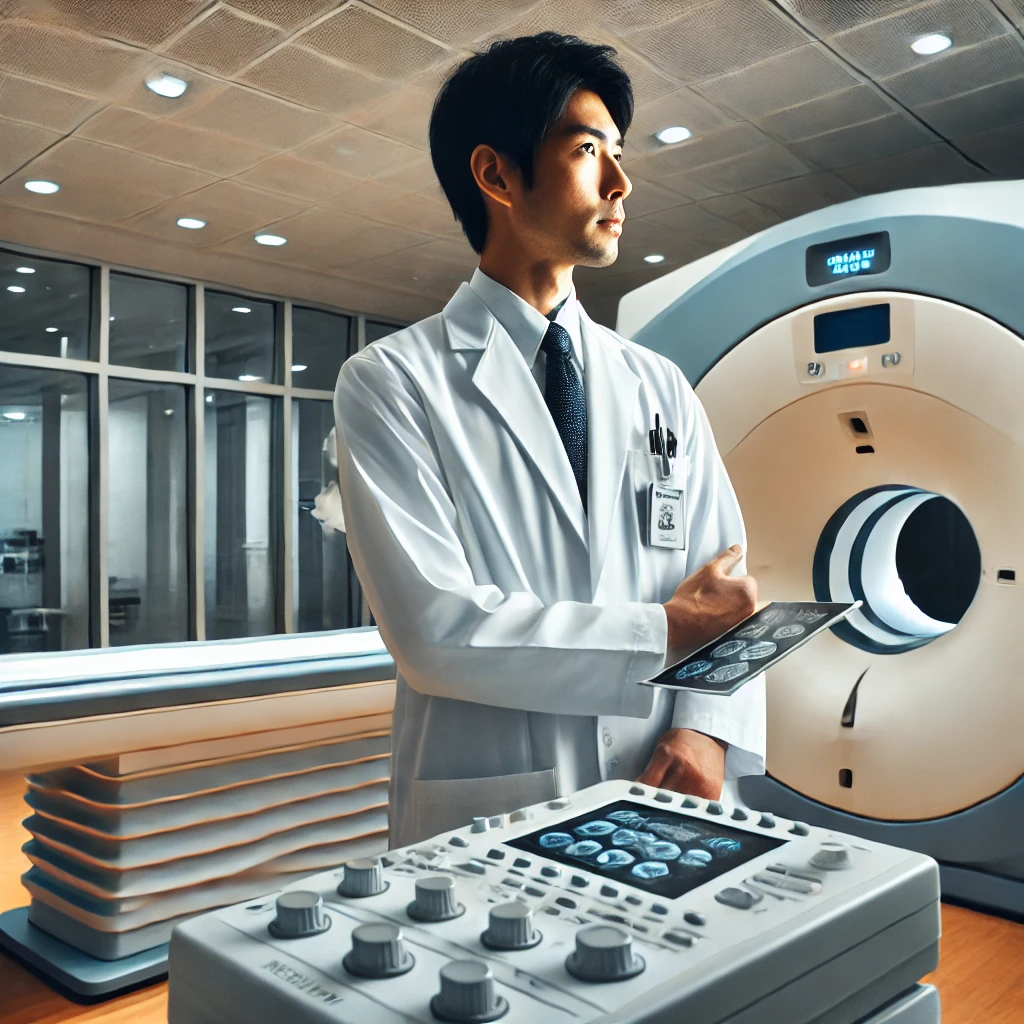
    The demand for high-quality medical equipment continues to rise globally, with hospitals, clinics, and healthcare providers seeking cost-effective yet reliable solutions. One of the best ways to achieve this balance is through pre-owned and refurbished medical equipment. Japan, known for its technological advancements and stringent quality control, has emerged as a leading source of top-tier pre-owned medical devices. Whether you’re a healthcare professional looking to upgrade your facility or a startup clinic in need of budget-friendly yet efficient solutions, sourcing refurbished medical equipment from Japan can be a game-changer.

    Why Choose Pre-Owned & Refurbished Medical Equipment?

    Purchasing new medical equipment can be a significant investment, especially for smaller clinics and healthcare facilities. Pre-owned and refurbished medical equipment offers an excellent alternative by providing cost savings without compromising on quality. Here’s why this option is gaining popularity worldwide:

    1. Cost-Effectiveness

    Refurbished medical equipment typically costs 30% to 70% less than brand-new units. This cost advantage allows healthcare facilities to allocate funds to other critical areas, such as patient care and operational enhancements.

    2. Quality Assurance & Reliability

    Japanese manufacturers are known for their rigorous quality control standards. Refurbished equipment from Japan undergoes comprehensive testing, reconditioning, and certification to meet industry standards before being resold. These devices function like new, ensuring reliable performance for years.

    3. Sustainability & Environmental Responsibility

    The medical industry generates substantial electronic waste, contributing to environmental concerns. By purchasing refurbished equipment, healthcare facilities support sustainability efforts by extending the life of valuable medical devices and reducing their carbon footprint.

    4. Availability of Advanced Technology

    Japan is home to some of the world’s leading medical technology companies, such as Canon Medical Systems, Hitachi, and Olympus. Even pre-owned equipment from these brands maintains high-quality imaging, diagnostics, and surgical capabilities, allowing medical professionals to access state-of-the-art technology at a fraction of the cost.

    Types of Pre-Owned & Refurbished Medical Equipment Available from Japan

    Japan offers a vast range of pre-owned and refurbished medical equipment catering to different specialties. Some of the most sought-after categories include:

    1. Diagnostic Imaging Equipment

    • MRI Machines: Leading brands like GE Healthcare, Siemens, and Toshiba offer high-performance MRI systems that undergo rigorous refurbishment.
    • CT Scanners: Refurbished CT scanners ensure accurate imaging with advanced software updates.
    • Ultrasound Machines: Used for various medical applications, from obstetrics to cardiology.
    • X-ray Machines & C-Arms: Reliable diagnostic tools essential for hospitals and imaging centers.

    2. Patient Monitoring & Life Support Systems

    • ECG/EKG Machines: Essential for cardiovascular monitoring and diagnostics.
    • Anesthesia Machines: Fully reconditioned and safety-tested for surgical procedures.
    • Ventilators: Life-saving respiratory support devices available at cost-effective rates.
    • Defibrillators: Vital emergency medical equipment for cardiac care.

    3. Surgical Equipment & Instruments

    • Endoscopy Systems: High-quality refurbished endoscopes for gastroenterology, urology, and ENT procedures.
    • Surgical Microscopes: Essential for precision surgeries, including ophthalmology and neurosurgery.
    • Laparoscopic Equipment: Used for minimally invasive surgeries with reliable performance.

    4. Laboratory & Diagnostic Equipment

    • Hematology & Biochemistry Analyzers: Used in pathology labs for accurate testing.
    • Medical Refrigerators & Freezers: Essential for storing vaccines and medical samples.
    • Autoclaves & Sterilization Equipment: Ensuring proper hygiene and compliance with medical standards.

    Why Japan is a Leading Source for Pre-Owned Medical Equipment

    Japan’s healthcare industry is known for its technological innovation and rapid equipment upgrades. Hospitals and medical facilities frequently replace their equipment with the latest models, even when the existing units are in excellent working condition. This culture of continuous improvement ensures a steady supply of high-quality pre-owned medical devices.

    Stringent Regulatory Standards

    Japan adheres to some of the strictest regulatory and quality standards in the medical industry. Pre-owned equipment goes through extensive inspections, testing, and certification processes to ensure it meets both national and international healthcare regulations.

    Advanced Technology

    Japanese medical equipment brands are at the forefront of innovation. Even refurbished models come with advanced features that remain highly competitive in the global market.

    Reliable Supply Chain & Export Expertise

    Japan has well-established supply chains and experienced exporters specializing in medical equipment. Many suppliers offer full documentation, warranties, and technical support, making the purchasing process smooth and transparent for international buyers.

    How to Choose the Right Supplier for Pre-Owned Medical Equipment from Japan

    To ensure you get the best value for your investment, it’s essential to select a reputable supplier. Here are some key factors to consider:

    1. Certifications & Compliance

    Check if the supplier adheres to international quality standards such as ISO certifications and local medical equipment regulations. Reliable suppliers provide documentation and certifications for refurbished equipment.

    2. Warranty & After-Sales Support

    Look for suppliers who offer warranties and ongoing technical support. A good supplier should provide clear details on maintenance, repairs, and part replacements.

    3. Reputation & Customer Reviews

    Research customer feedback and testimonials to gauge the reliability of the supplier. Established companies with a history of positive reviews are more likely to provide quality equipment and services.

    4. Detailed Product Inspection & Testing

    Ensure that the supplier conducts rigorous testing and refurbishment procedures. Ask for inspection reports, performance tests, and refurbishment details before making a purchase.

    5. Logistics & Shipping Expertise

    Medical equipment requires careful handling and shipping. Work with suppliers who have experience in international logistics and provide proper packaging, documentation, and customs clearance assistance.

    Final Thoughts

    Investing in pre-owned and refurbished medical equipment from Japan is an excellent way to access high-quality healthcare technology while keeping costs under control. With strict regulatory standards, cutting-edge technology, and a reliable supply chain, Japan remains a trusted source for top-tier refurbished medical devices.

    Whether you’re looking for diagnostic imaging equipment, surgical instruments, or patient monitoring systems, buying from a reputable Japanese supplier ensures reliability, efficiency, and long-term value for your healthcare facility. Embrace the advantages of refurbished medical equipment and enhance patient care while making a smart financial decision.

  • Premium Used & Refurbished Medical Equipment from Japan – Excellence Redefined

    Premium Used & Refurbished Medical Equipment from Japan – Excellence Redefined

    Introduction

    In the ever-evolving healthcare landscape, acquiring top-tier medical equipment is crucial for providing accurate diagnostics and effective treatments. However, the high costs associated with brand-new medical devices often pose a significant challenge for healthcare facilities, especially in developing regions. The solution? Premium used and refurbished medical equipment from Japan—where precision engineering, rigorous quality standards, and advanced technology converge to offer cost-effective, high-performance solutions.

    This blog explores why Japan stands out as a leading supplier of refurbished medical equipment, the benefits of choosing these devices, and key considerations for buyers seeking excellence without compromise.

    Why Choose Used & Refurbished Medical Equipment from Japan?

    Japan is renowned for its advanced healthcare infrastructure and cutting-edge medical technology. The country follows stringent maintenance protocols and high regulatory standards, ensuring that even pre-owned medical equipment retains exceptional functionality. Here are the key reasons why sourcing refurbished medical devices from Japan is a game-changer:

    1. Unmatched Quality & Reliability

    Japanese medical institutions regularly upgrade their equipment to stay ahead of technological advancements. As a result, high-quality devices with minimal wear and tear enter the secondary market. These machines undergo rigorous testing, servicing, and refurbishment processes to meet international safety and performance standards before being resold.

    2. Cost-Effective Solutions

    Refurbished medical equipment can cost up to 50-70% less than new devices without compromising quality. This cost advantage allows hospitals, clinics, and diagnostic centers to expand their services without exhausting their budgets.

    3. Eco-Friendly & Sustainable Healthcare

    Sustainability is a growing concern in the medical industry. By choosing refurbished equipment, healthcare providers reduce electronic waste and carbon footprints while contributing to a more sustainable future.

    4. Advanced Technology at Lower Costs

    Japan is a global leader in medical technology innovation. Purchasing refurbished equipment from Japanese manufacturers provides access to state-of-the-art features and high-end functionality at a fraction of the original price.

    5. Comprehensive Refurbishment Process

    Reputable Japanese suppliers follow a meticulous refurbishment process that includes:

    • Thorough Inspection: Every device is carefully examined for defects.
    • Replacement of Worn Parts: Any component showing signs of wear is replaced with original or high-quality compatible parts.
    • Software Upgrades: The latest software updates are installed to enhance performance.
    • Testing & Calibration: The equipment undergoes rigorous testing to ensure accuracy and reliability.
    • Certification & Documentation: Compliance with international standards is verified, and necessary certification is provided.

    Key Categories of Refurbished Medical Equipment

    Japanese suppliers offer a wide range of refurbished medical devices catering to various specialties. Some of the most sought-after categories include:

    1. Diagnostic Imaging Equipment

    • MRI Machines: High-resolution imaging with advanced functionalities.
    • CT Scanners: Precise cross-sectional imaging for accurate diagnostics.
    • Ultrasound Machines: Superior imaging for obstetrics, cardiology, and general diagnostics.
    • X-ray Machines: Essential for radiology departments with upgraded imaging technology.

    2. Patient Monitoring & Life Support Systems

    • ECG Machines: Advanced cardiac monitoring with AI-driven analytics.
    • ICU Ventilators: Reliable respiratory support systems with adaptive technology.
    • Anesthesia Machines: Precision-controlled delivery of anesthetic gases for surgical procedures.

    3. Surgical & Laboratory Equipment

    • Endoscopy Systems: High-definition visualization for minimally invasive procedures.
    • Operating Tables & Lights: Ergonomically designed for enhanced surgical efficiency.
    • Clinical Analyzers: Automated systems for accurate and efficient lab diagnostics.

    4. Therapeutic Equipment

    • Dialysis Machines: Advanced renal care solutions with patient-friendly interfaces.
    • Rehabilitation Equipment: Devices for physiotherapy and post-surgical recovery.
    • Laser & Aesthetic Equipment: Used in dermatology, cosmetic procedures, and ophthalmology.

    Key Considerations When Buying Refurbished Medical Equipment

    While refurbished medical equipment offers several advantages, buyers must exercise due diligence to ensure a successful investment. Here are crucial factors to consider:

    1. Verify Supplier Credibility

    Choose suppliers with a strong track record in refurbishing and selling used medical equipment. Look for companies that provide warranties, post-sales support, and transparent refurbishment processes.

    2. Ensure Compliance with International Standards

    Medical equipment should meet certifications such as FDA (U.S.), CE (Europe), and ISO standards to guarantee safety and performance. Japanese suppliers generally adhere to these standards, but verification is necessary.

    3. Request Detailed Documentation

    Obtain complete documentation, including maintenance history, refurbishment reports, user manuals, and certification of compliance. This ensures transparency and helps with future servicing requirements.

    4. Assess Warranty & Support Services

    A reputable supplier should offer warranties on refurbished equipment along with technical support, spare parts availability, and training services for seamless integration into your healthcare facility.

    5. Consider Logistics & Installation

    Ensure that the supplier provides efficient shipping, proper packaging, and installation assistance, especially for large or complex medical devices.

    The Future of Refurbished Medical Equipment Market

    With rising healthcare costs and the increasing need for advanced medical technology, the global refurbished medical equipment market is poised for substantial growth. Japan’s leadership in technology, combined with its culture of meticulous maintenance, makes it an ideal source for premium used medical devices.

    Emerging Trends:

    • AI Integration in Refurbished Equipment: More devices are incorporating artificial intelligence for improved diagnostics and automation.
    • Increased Demand in Developing Countries: Affordable refurbished equipment is bridging the healthcare gap in resource-limited regions.
    • Sustainable Healthcare Initiatives: More hospitals are adopting eco-friendly approaches, making refurbished equipment a preferred choice.

    Conclusion

    Premium used and refurbished medical equipment from Japan offers a perfect balance of affordability, reliability, and advanced technology. Whether you’re a hospital administrator, clinic owner, or medical distributor, investing in refurbished devices can significantly enhance your healthcare services while maintaining cost efficiency.

    By choosing trusted Japanese suppliers, ensuring compliance with international standards, and understanding the refurbishment process, you can redefine excellence in healthcare without compromising quality.

    Looking to source premium refurbished medical equipment from Japan? Start exploring the best options today and equip your facility with world-class technology at a fraction of the cost.

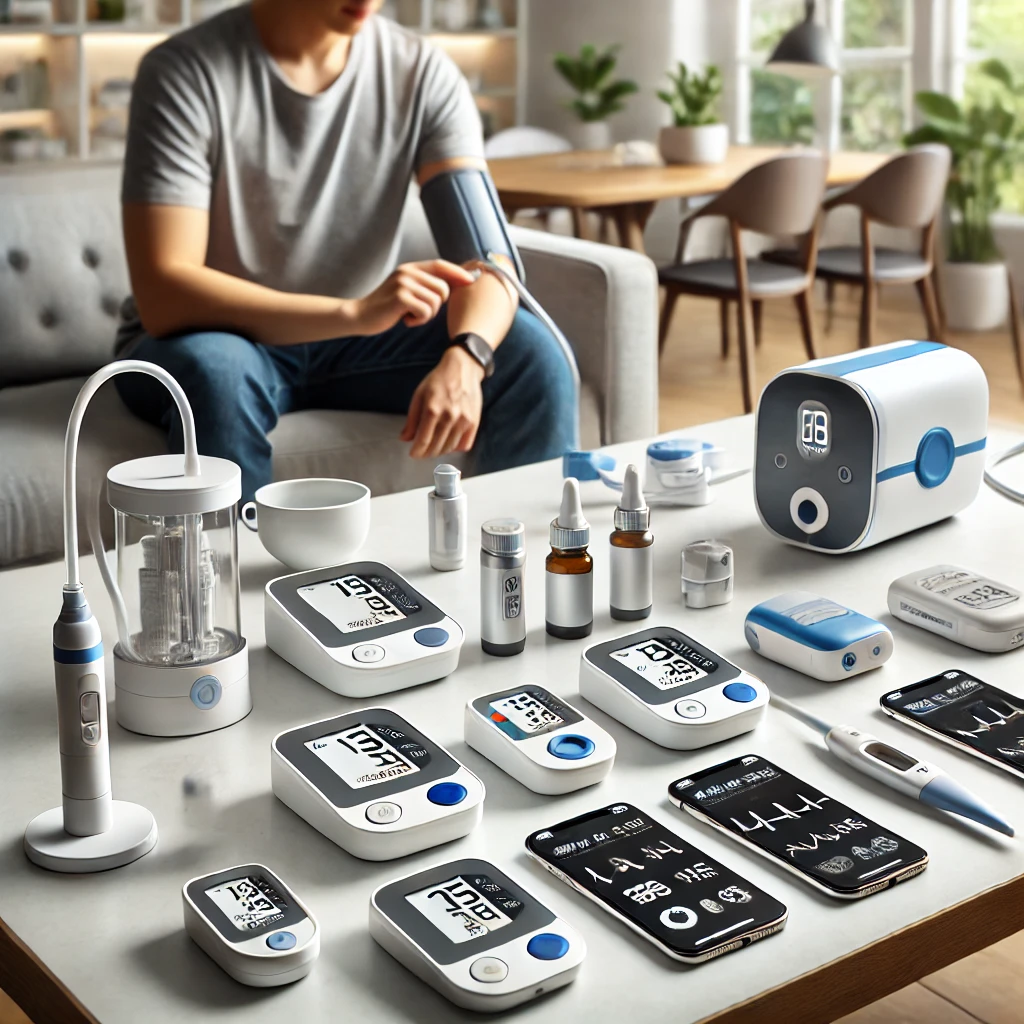
  • How to Select Great Medical Devices for Homes

    How to Select Great Medical Devices for Homes

    The demand for home medical devices has significantly increased in recent years. With advancements in technology and a growing awareness of health management, people now have access to a wide range of medical devices that can be used at home. However, selecting the right medical devices for home use can be challenging, especially for individuals who may not have medical expertise. This guide aims to simplify the process by outlining essential factors to consider when choosing high-quality and effective home medical devices.

    Understanding Your Needs

    Before purchasing any medical device, it is crucial to identify your specific healthcare needs. Are you managing a chronic condition, monitoring vital signs, or seeking preventive healthcare? Different medical devices cater to different needs, and selecting the wrong one could lead to inefficiencies or inaccurate results. Some common home medical devices include:

    • Blood Pressure Monitors – Ideal for individuals managing hypertension.
    • Glucometers – Essential for diabetic patients to monitor blood sugar levels.
    • Pulse Oximeters – Useful for individuals with respiratory conditions to measure oxygen levels.
    • Thermometers – A necessity for monitoring body temperature.
    • Nebulizers – Important for people with asthma or chronic lung conditions.
    • Digital Weighing Scales – Helps in tracking weight, especially for those managing obesity or underweight conditions.
    • ECG Monitors – Beneficial for individuals with heart conditions to track heart rhythms.

    Researching Brands and Reliability

    Not all medical devices are created equal. It is important to choose devices from reputable brands known for quality and accuracy. Consider the following when researching brands:

    • Certifications and Approvals – Look for certifications from regulatory bodies such as the FDA, CE, or ISO. These approvals indicate compliance with safety and performance standards.
    • User Reviews and Ratings – Checking customer feedback and expert reviews can provide insights into real-world performance and reliability.
    • Clinical Validation – Some medical devices undergo clinical trials to validate their accuracy. Devices with clinical validation are more trustworthy.
    • Warranty and Customer Support – A good warranty and responsive customer support can provide added peace of mind.

    Accuracy and Performance

    One of the most critical aspects of a medical device is its accuracy. A device that provides incorrect readings can be dangerous, leading to mismanagement of health conditions. Here’s how to ensure accuracy:

    • Compare with Professional Readings – If possible, cross-check device readings with those taken by healthcare professionals.
    • Regular Calibration – Some devices require periodic calibration to maintain accuracy.
    • Consistency in Readings – A good device should provide consistent results when used under similar conditions.

    Ease of Use and Comfort

    Since home medical devices are often used by individuals without medical training, they should be user-friendly. Consider the following:

    • Clear Display and Readability – Devices with large screens and clear numbers are easier to read.
    • Simple Operation – Devices with one-touch operations or voice guidance can be more convenient.
    • Portability and Storage – If you travel frequently, a compact and lightweight device is ideal.
    • Comfort – Blood pressure cuffs, finger pulse oximeters, and similar devices should be designed for comfort to encourage regular use.

    Connectivity and Smart Features

    Many modern medical devices come with advanced features such as Bluetooth connectivity, app synchronization, and cloud storage. These features offer several advantages:

    • Data Tracking and Analysis – Smart devices store historical data, allowing users to track trends over time.
    • Remote Monitoring – Some devices enable healthcare providers or family members to monitor health metrics remotely.
    • Integration with Other Health Apps – Many smart devices sync with health apps like Apple Health, Google Fit, or MyFitnessPal.
    • Alerts and Reminders – Some devices provide reminders for medication, tests, or follow-ups.

    Maintenance and Durability

    A high-quality medical device should be durable and easy to maintain. Consider the following maintenance aspects:

    • Battery Life and Charging Options – Check whether the device uses rechargeable or disposable batteries and how long they last.
    • Cleaning and Hygiene – Devices that come in contact with the body should be easy to clean and disinfect.
    • Replacement Parts – Some devices require periodic replacement of parts (e.g., test strips for glucometers, filters for nebulizers). Ensure these are readily available and affordable.

    Cost and Value for Money

    While price is an important factor, the cheapest option is not always the best. Consider:

    • Long-Term Costs – Some devices have ongoing costs for consumables like test strips, electrodes, or batteries.
    • Feature vs. Price Balance – More expensive devices may offer additional features, but ensure they are necessary for your needs.
    • Insurance and Reimbursement – Some insurance plans cover home medical devices. Check with your provider to see if reimbursement is possible.

    Consulting a Healthcare Professional

    Before purchasing a medical device, it is always advisable to consult a doctor or healthcare professional. They can provide recommendations based on your medical history and specific needs. Additionally, some devices require prescriptions, so it is best to check with a professional before making a purchase.

    Conclusion

    Selecting the right medical devices for home use requires careful consideration of factors such as accuracy, ease of use, reliability, and maintenance. Investing in high-quality medical devices can significantly improve health monitoring and management at home. By understanding your needs, researching brands, considering smart features, and consulting healthcare professionals, you can make informed decisions that enhance your well-being and provide peace of mind. With the right tools, managing health conditions at home can be both effective and convenient.

  • How Certified Refurbished Medical Equipment Meets Global Healthcare Standards

    How Certified Refurbished Medical Equipment Meets Global Healthcare Standards

    Introduction

    The demand for high-quality, cost-effective healthcare solutions has led to a significant rise in the adoption of certified refurbished medical equipment. These devices offer hospitals, clinics, and healthcare providers an alternative to new equipment while ensuring compliance with global healthcare standards. By undergoing rigorous refurbishing processes, certified medical equipment meets stringent quality, safety, and performance benchmarks, making them a reliable choice for medical institutions worldwide.

    The Certification Process and Compliance

    Certified refurbished medical equipment undergoes a comprehensive refurbishment process to restore functionality, safety, and reliability. This process includes:

    1. Initial Inspection and Decontamination
      • All devices undergo thorough inspection and decontamination to remove biological contaminants and ensure safe handling.
    2. Component Testing and Replacement
      • Faulty or outdated components are identified and replaced with certified parts to restore the equipment to its original manufacturer specifications.
    3. Software Upgrades and Calibration
      • Software updates are installed, and calibration is performed to ensure accuracy in diagnostics and treatments.
    4. Quality Assurance and Certification
      • After refurbishment, the equipment undergoes rigorous testing to meet standards set by regulatory bodies such as the U.S. Food and Drug Administration (FDA), European Conformity (CE) marking, International Electrotechnical Commission (IEC), and ISO 13485:2016.

    Meeting Global Healthcare Standards

    Certified refurbished medical equipment aligns with international healthcare standards in various aspects, including:

    1. Regulatory Compliance

    Healthcare organizations must adhere to national and international regulatory frameworks. Certified refurbished equipment meets compliance standards set by:

    • FDA (U.S.) – Ensures safety and effectiveness through rigorous evaluations.
    • CE Mark (Europe) – Confirms adherence to European health, safety, and environmental requirements.
    • ISO 13485:2016 – Establishes a globally accepted quality management system for medical devices.
    • WHO Prequalification (Global) – Ensures the equipment meets World Health Organization’s specifications for medical use in different regions.

    2. Cost-Effectiveness Without Compromising Quality

    New medical equipment can be costly, especially for developing healthcare systems. Certified refurbished equipment offers:

    • Up to 50% savings compared to new equipment.
    • Extended warranties ensuring reliability and performance.
    • Access to high-end technology at an affordable price, bridging healthcare gaps in underfunded regions.

    3. Sustainability and Environmental Responsibility

    The refurbishment of medical equipment significantly contributes to sustainability by:

    • Reducing electronic waste that would otherwise end up in landfills.
    • Minimizing resource consumption, as refurbishing uses fewer materials compared to manufacturing new devices.
    • Lowering carbon footprint, aligning with global environmental initiatives.

    4. Reliable Performance and Patient Safety

    Certified refurbished medical devices provide healthcare professionals with reliable tools for accurate diagnosis and treatment. They undergo:

    • Multiple rounds of testing before approval for use.
    • Strict compliance with original equipment manufacturer (OEM) specifications.
    • Comprehensive documentation, including maintenance and service records, to ensure traceability and accountability.

    Common Types of Certified Refurbished Medical Equipment

    Refurbished medical equipment spans various categories, including:

    • Imaging Equipment: MRI machines, CT scanners, X-ray machines, and ultrasound devices.
    • Patient Monitoring Systems: ECG monitors, pulse oximeters, and blood pressure monitors.
    • Surgical and Laboratory Instruments: Endoscopes, microscopes, and infusion pumps.
    • Dialysis Machines: Essential for renal care in hospitals and clinics.
    • Respiratory Equipment: Ventilators and anesthesia machines, crucial for critical care.

    The Future of Refurbished Medical Equipment

    As global healthcare systems continue to evolve, the demand for certified refurbished medical equipment is expected to grow. Factors driving this trend include:

    • Advancements in refurbishment technology, ensuring higher quality and efficiency.
    • Increasing healthcare accessibility needs in emerging markets.
    • Greater awareness of sustainability and cost-effective solutions.
    • Support from regulatory bodies in promoting refurbished equipment as a viable alternative to new devices.

    Conclusion

    Certified refurbished medical equipment is a crucial component in modern healthcare, offering a cost-effective, reliable, and sustainable solution while adhering to global healthcare standards. With stringent certification processes, compliance with international regulations, and a strong focus on performance and patient safety, refurbished medical equipment provides healthcare institutions with the confidence to deliver quality medical care. As technology advances, the refurbished medical equipment sector will continue to play a vital role in shaping the future of global healthcare.

  • Refurbished Medical Equipment: A Cost-Effective Solution for Modern Healthcare

    Refurbished Medical Equipment: A Cost-Effective Solution for Modern Healthcare

    Introduction

    In the ever-evolving healthcare industry, hospitals, clinics, and medical institutions face the constant challenge of balancing quality patient care with financial sustainability. Medical equipment, which plays a crucial role in diagnostics, treatment, and patient monitoring, represents a significant investment. However, with the rising costs of healthcare and technological advancements, many institutions are turning to refurbished medical equipment as a viable and cost-effective alternative. This article explores the benefits, challenges, and considerations associated with refurbished medical equipment and its impact on modern healthcare.

    Understanding Refurbished Medical Equipment

    Refurbished medical equipment refers to previously owned devices that have undergone rigorous testing, repair, and reconditioning to meet manufacturer and regulatory standards. These devices may include imaging systems, surgical instruments, patient monitors, and laboratory equipment. The refurbishment process typically involves:

    • Inspection and Diagnosis – Identifying any defects or wear and tear.
    • Repair and Replacement – Fixing or replacing faulty components.
    • Calibration and Testing – Ensuring accuracy and compliance with industry standards.
    • Aesthetic Restoration – Cleaning and repainting to restore the equipment’s appearance.
    • Certification and Quality Assurance – Ensuring the equipment meets safety and performance standards before resale.

    Advantages of Refurbished Medical Equipment

    1. Cost Savings

    One of the primary reasons healthcare facilities opt for refurbished equipment is the significant cost savings. Refurbished devices can be up to 30-70% cheaper than new ones, allowing institutions to allocate funds to other critical areas such as staffing, patient care, and research.

    2. Quality and Reliability

    Contrary to misconceptions, high-quality refurbished medical equipment performs comparably to new devices. Reputable vendors follow strict refurbishment protocols, ensuring that the equipment meets or exceeds original manufacturer specifications.

    3. Environmental Sustainability

    Refurbishing and reusing medical equipment contribute to reducing electronic waste and environmental pollution. By extending the lifecycle of medical devices, healthcare institutions play a role in promoting sustainable practices.

    4. Faster Availability

    The procurement process for new medical equipment can be time-consuming due to manufacturing lead times and supply chain constraints. Refurbished equipment is often readily available, allowing healthcare providers to quickly acquire essential devices.

    5. Access to Advanced Technology

    With rapid advancements in medical technology, newer models are frequently introduced. By purchasing refurbished equipment, healthcare facilities can afford advanced technology that may have been financially out of reach if purchased new.

    Challenges and Considerations

    Despite its advantages, investing in refurbished medical equipment requires careful consideration of several factors to ensure optimal performance and patient safety.

    1. Vendor Credibility and Certification

    Not all refurbishment processes adhere to industry standards. Healthcare institutions must source equipment from reputable vendors who provide certification, warranties, and post-sale support.

    2. Regulatory Compliance

    Different countries and regions have regulations governing the use of refurbished medical equipment. It is essential to ensure compliance with local health authorities and certification requirements.

    3. Limited Warranty and Support

    While refurbished equipment is generally reliable, warranties and support services may be limited compared to new devices. Institutions should negotiate warranty terms and assess the availability of spare parts.

    4. Compatibility and Integration

    Healthcare facilities should evaluate whether the refurbished equipment is compatible with their existing systems and infrastructure to avoid integration issues.

    5. Future-Proofing Investments

    Technology evolves rapidly, and healthcare providers must consider the longevity and upgrade potential of refurbished devices to avoid premature obsolescence.

    The Future of Refurbished Medical Equipment

    The demand for refurbished medical equipment is expected to grow as healthcare institutions seek cost-effective solutions without compromising quality. Manufacturers and third-party refurbishers are continuously improving their processes to enhance the reliability and safety of these devices. Additionally, global initiatives promoting circular economies and sustainable healthcare practices are encouraging the adoption of refurbished equipment.

    Conclusion

    Refurbished medical equipment presents a practical and economical alternative for healthcare facilities striving to balance quality patient care with budgetary constraints. By choosing high-quality refurbished devices from trusted vendors, institutions can access advanced technology, reduce costs, and contribute to environmental sustainability. As the healthcare industry continues to evolve, refurbished medical equipment will play an increasingly vital role in ensuring efficient and accessible medical services worldwide.

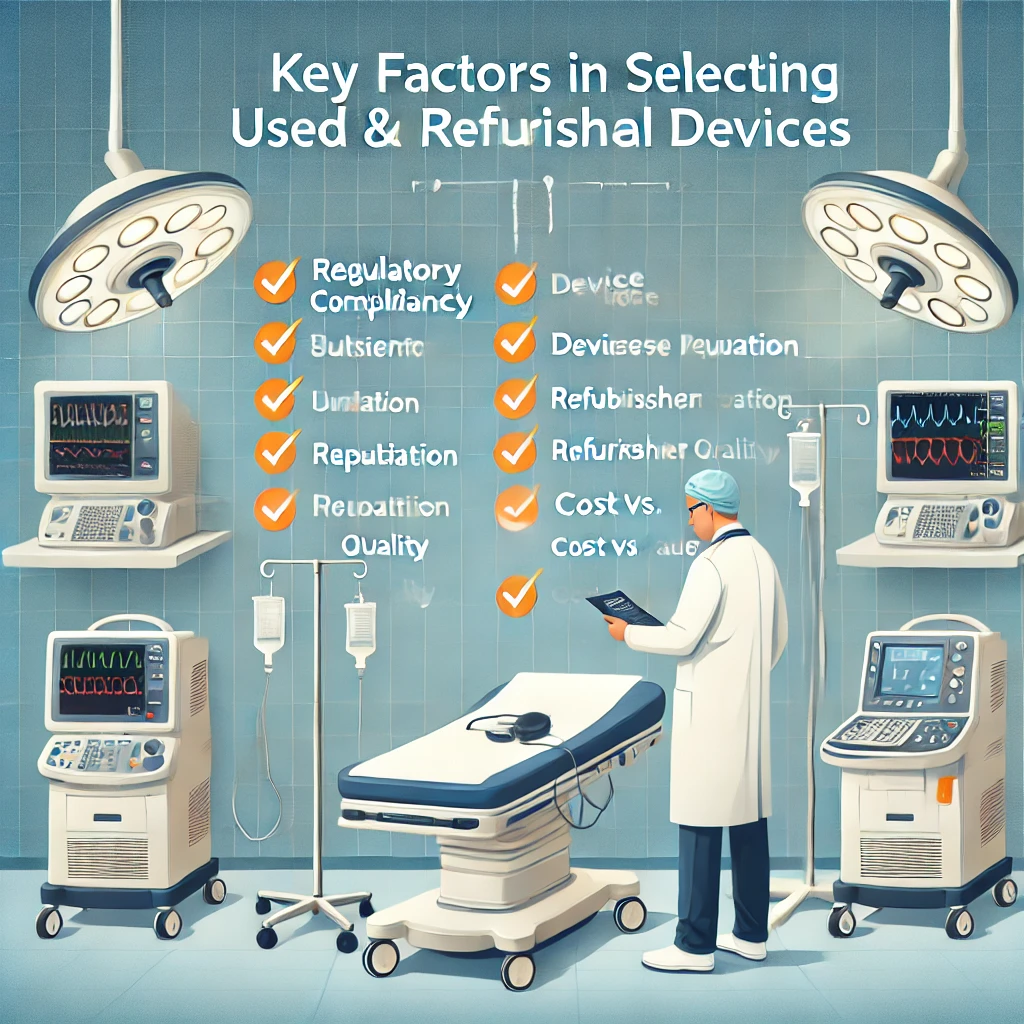
  • How to Select Used & Refurbished Medical Devices: Factors to Consider

    How to Select Used & Refurbished Medical Devices: Factors to Consider

    Introduction

    Purchasing used or refurbished medical devices can be a cost-effective and sustainable solution for healthcare facilities, clinics, and private practitioners. However, selecting the right equipment requires careful evaluation to ensure safety, efficiency, and compliance with regulatory standards. This guide outlines the key factors to consider when choosing used and refurbished medical devices.

    1. Understanding the Difference: Used vs. Refurbished

    Before purchasing, it is crucial to differentiate between used and refurbished medical devices:

    • Used Medical Devices: These are previously owned and sold in their existing condition, often without repairs or upgrades.
    • Refurbished Medical Devices: These devices undergo thorough inspection, repair, recalibration, and testing to restore them to manufacturer or industry standards.

    Refurbished devices typically offer more reliability and better performance than used ones, making them a preferred choice for many healthcare providers.

    2. Compliance with Regulatory Standards

    Medical devices must comply with local and international regulations to ensure they are safe and effective. Check for certifications such as:

    • FDA (U.S. Food and Drug Administration) approval for devices used in the U.S.
    • CE Marking (Conformité Européenne) for compliance with European standards.
    • ISO 13485 Certification, which ensures adherence to quality management systems for medical devices.
    • TGA (Therapeutic Goods Administration) approval for Australian buyers.

    3. Reputation of the Seller or Supplier

    Choose a reputable supplier or vendor with a track record of providing high-quality used and refurbished medical devices. Consider:

    • Customer Reviews & Testimonials: Check online reviews or ask for references from previous buyers.
    • Certifications & Accreditation: Look for ISO-certified refurbishers and authorized dealers.
    • Warranty & Return Policy: Ensure the supplier offers a warranty or return policy for added security.

    4. Device Condition and Age

    Assess the condition of the device before purchasing:

    • Year of Manufacture: Older devices may lack necessary updates or support.
    • Usage History: Request maintenance and service records to understand previous wear and tear.
    • Remaining Lifespan: Ensure the device has sufficient functional lifespan left for your needs.

    5. Quality of Refurbishment Process

    If opting for a refurbished device, inquire about the refurbishment process. A high-quality refurbishment should include:

    • Component Replacement: Faulty or worn-out parts should be replaced.
    • Software Updates: Ensure the latest software versions and patches are installed.
    • Calibration & Testing: The device should undergo rigorous testing to confirm accuracy and reliability.
    • Cleaning & Sterilization: Especially important for devices that come into direct contact with patients.

    6. Technical Support & Maintenance Services

    Check whether the supplier offers after-sales support and maintenance services. Consider:

    • Availability of Spare Parts: Ensure that replacement parts are accessible if needed.
    • Technical Support: Look for providers that offer remote or on-site troubleshooting.
    • Maintenance Contracts: Some suppliers provide service agreements to maintain device performance.

    7. Cost vs. Value

    While cost savings are a key advantage of used and refurbished devices, focus on overall value rather than just the price:

    • Total Cost of Ownership (TCO): Factor in maintenance, repair, and operational costs.
    • Warranty & Support Services: A slightly higher upfront cost may be justified by longer warranties and better service options.
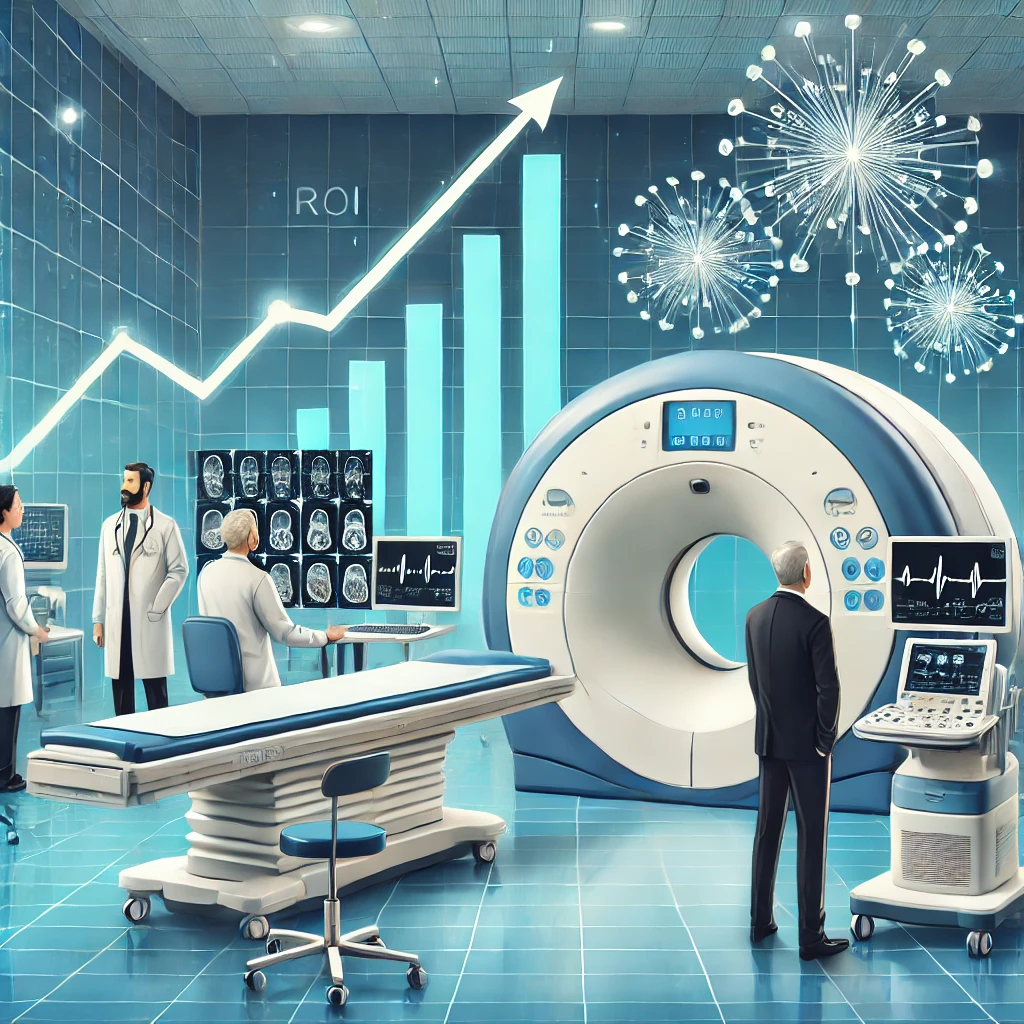
    • Return on Investment (ROI): Consider how much the device will contribute to your practice’s efficiency and profitability.

    8. Compatibility & Integration with Existing Systems

    Ensure that the refurbished or used device is compatible with your existing infrastructure:

    • Software & Data Integration: The device should be compatible with your current electronic medical records (EMR) or imaging systems.
    • Accessory & Peripheral Compatibility: Verify if the device supports necessary add-ons or accessories.

    9. Risk Assessment & Liability Considerations

    Used medical devices come with potential risks. To mitigate liability concerns:

    • Verify the Source: Ensure that the device is sourced legally and not from unauthorized resellers.
    • Check Insurance Coverage: Some insurers may have restrictions on coverage for used equipment.
    • Inspect for Recalls: Cross-check the device model against recall databases to avoid faulty equipment.

    10. Training & User Proficiency

    If the device requires specialized operation, confirm that your staff is trained or that training is available. Some suppliers offer:

    • On-site or virtual training sessions
    • User manuals and instructional videos
    • Technical support hotlines for troubleshooting

    Conclusion

    Purchasing used or refurbished medical devices can be a wise investment when done correctly. By considering factors such as regulatory compliance, refurbishment quality, supplier reputation, and long-term costs, healthcare providers can ensure they acquire reliable and safe equipment. Always conduct thorough due diligence before making a purchase to safeguard patient safety and operational efficiency.

  • How to Maximize ROI with Smart Investments in Refurbished Medical Equipment

    How to Maximize ROI with Smart Investments in Refurbished Medical Equipment

    Introduction

    The healthcare industry is constantly evolving, and medical facilities are always looking for cost-effective ways to maintain top-quality patient care while optimizing their financial investments. One of the most strategic approaches to achieving this balance is investing in refurbished medical equipment. When done correctly, purchasing refurbished medical devices can provide significant cost savings, enhance operational efficiency, and ultimately maximize return on investment (ROI). This article explores how to make smart investments in refurbished medical equipment and ensure long-term benefits for your healthcare facility.

    Understanding Refurbished Medical Equipment

    Refurbished medical equipment refers to pre-owned devices that have been restored to their original working condition through a systematic process. This typically includes disassembly, inspection, replacement of faulty components, recalibration, and rigorous testing to meet industry standards. Reliable refurbishing companies also ensure compliance with regulatory guidelines such as FDA and ISO certifications.

    Unlike used equipment, which is sold as-is, refurbished medical devices undergo a stringent quality control process, ensuring they meet or exceed original manufacturer specifications. This makes them a viable, cost-effective alternative to purchasing brand-new equipment.

    Benefits of Investing in Refurbished Medical Equipment

    1. Significant Cost Savings

    One of the primary reasons healthcare facilities opt for refurbished equipment is cost savings. Refurbished devices can cost 30-70% less than brand-new models, allowing hospitals and clinics to allocate their budgets more efficiently. This affordability enables facilities to invest in additional medical devices, expanding their service capabilities.

    2. High-Quality Performance

    Reputable refurbishing companies adhere to strict testing and certification processes, ensuring that the equipment performs as well as new models. Many refurbished devices also come with warranties, further guaranteeing their reliability and longevity.

    3. Environmental Sustainability

    Purchasing refurbished equipment contributes to sustainability efforts by reducing electronic waste and conserving resources used in manufacturing new devices. By extending the lifecycle of medical equipment, healthcare facilities play a crucial role in promoting eco-friendly practices.

    4. Faster Procurement and Deployment

    New medical equipment often comes with long lead times due to manufacturing and shipping constraints. In contrast, refurbished equipment is readily available and can be deployed quickly, minimizing downtime and ensuring uninterrupted patient care.

    Key Considerations When Investing in Refurbished Medical Equipment

    1. Source Equipment from Reputable Suppliers

    To maximize ROI, it is essential to purchase refurbished medical equipment from trusted vendors who provide certifications, warranties, and thorough documentation. Research the supplier’s reputation, check reviews, and request references from other healthcare facilities that have made similar purchases.

    2. Verify Certification and Compliance

    Ensure that the refurbished equipment meets industry standards such as FDA, ISO, and OEM (Original Equipment Manufacturer) specifications. Certification guarantees that the device has undergone comprehensive testing and meets safety and performance requirements.

    3. Evaluate Total Cost of Ownership (TCO)

    Beyond the initial purchase price, consider maintenance costs, software updates, spare parts availability, and potential repair expenses. A lower upfront cost may not always translate to better ROI if the long-term maintenance expenses are high.

    4. Assess Warranty and After-Sales Support

    A reliable warranty is crucial when purchasing refurbished medical equipment. Look for suppliers that offer warranties similar to those for new devices and provide ongoing technical support, servicing, and training for your medical staff.

    5. Consider Equipment Lifespan and Upgradeability

    Before investing, evaluate the expected lifespan of the refurbished equipment and its compatibility with future upgrades. Ensuring that the device can integrate with existing and upcoming technologies will enhance its usability and long-term value.

    Strategies to Maximize ROI with Refurbished Medical Equipment

    1. Conduct a Needs Assessment

    Before purchasing, assess your facility’s needs by evaluating patient volume, types of procedures performed, and existing equipment gaps. Prioritize high-impact equipment that will contribute to improved patient care and operational efficiency.

    2. Compare Multiple Vendors

    Request quotes from multiple refurbished equipment suppliers and compare their pricing, warranties, and service offerings. A comprehensive comparison helps you find the best value without compromising on quality.

    3. Implement Proper Maintenance Protocols

    Regular maintenance and calibration ensure optimal performance and longevity of refurbished equipment. Partner with suppliers that provide maintenance contracts and technical support to keep your devices in top working condition.

    4. Train Staff on Proper Equipment Use

    Proper training enhances efficiency, reduces wear and tear, and extends the lifespan of medical devices. Work with your supplier to provide hands-on training and ensure your medical team understands the best practices for equipment usage and maintenance.

    5. Monitor Equipment Performance and ROI

    Track the performance of refurbished medical equipment through key performance indicators (KPIs) such as cost savings, uptime, patient outcomes, and staff efficiency. Regularly reviewing these metrics helps identify areas for further optimization and ensures a positive return on investment.

    Conclusion

    Investing in refurbished medical equipment is a smart strategy for healthcare facilities looking to optimize costs without compromising quality. By sourcing from reputable suppliers, ensuring compliance with industry standards, and implementing proper maintenance protocols, medical institutions can achieve significant cost savings while maintaining top-tier patient care. With a well-planned approach, refurbished medical equipment can maximize ROI, enhance operational efficiency, and contribute to the sustainability of healthcare services.

    By making informed purchasing decisions and continuously monitoring equipment performance, healthcare providers can reap the benefits of refurbished medical equipment and ensure a successful, cost-effective investment in their facility’s future.

  • How Refurbished Surgical Equipment is Changing Operating Room Efficiency

    How Refurbished Surgical Equipment is Changing Operating Room Efficiency

    Introduction

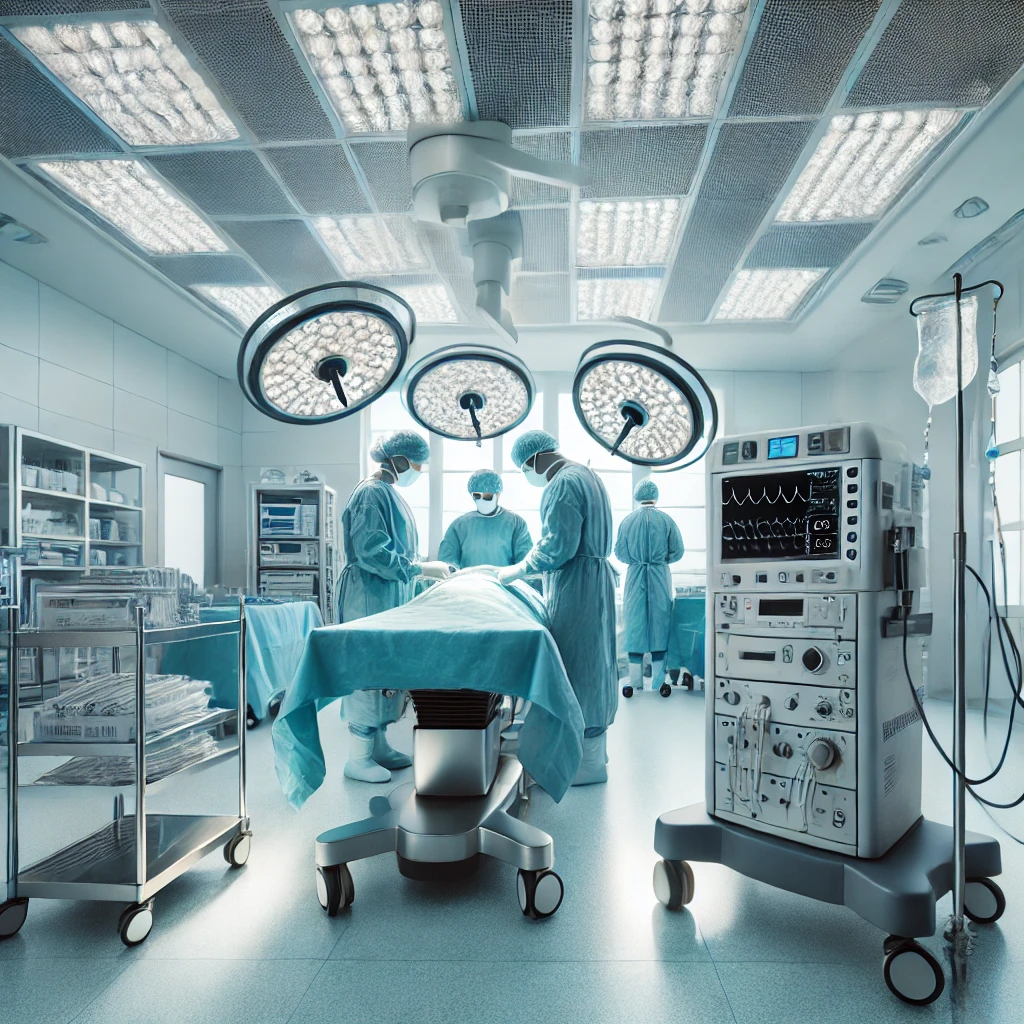
    The healthcare industry constantly seeks innovative ways to enhance efficiency while maintaining high-quality patient care. One of the most impactful advancements in recent years has been the integration of refurbished surgical equipment into operating rooms. As hospitals and surgical centers face rising costs and resource constraints, refurbished equipment provides a viable alternative that balances cost-effectiveness with performance. This article explores how refurbished surgical equipment is revolutionizing operating room efficiency, improving accessibility, and ensuring optimal patient outcomes.

    Cost-Effectiveness Without Compromising Quality

    Refurbished surgical equipment allows healthcare facilities to significantly reduce costs without sacrificing quality. New surgical instruments and devices can be prohibitively expensive, leading to budgetary constraints for many hospitals. By choosing refurbished alternatives, medical institutions can allocate resources more effectively, allowing them to invest in other critical areas such as staff training, patient care, and advanced medical technologies.

    Reputable refurbishing companies follow stringent protocols to restore medical devices to like-new conditions. This includes thorough inspection, repair, and certification processes that meet industry standards. Many refurbished surgical instruments undergo rigorous testing and recalibration to ensure they function as efficiently and accurately as their new counterparts.

    Enhanced Accessibility for Medical Institutions

    Smaller healthcare facilities and clinics often struggle with acquiring the latest surgical technology due to financial limitations. Refurbished surgical equipment bridges this gap by offering high-quality solutions at a fraction of the cost. This enhanced accessibility ensures that more patients, regardless of their location or the financial status of their medical institution, receive top-tier surgical care.

    Additionally, refurbished equipment enables hospitals in developing regions to equip their operating rooms with essential surgical tools, thereby improving healthcare standards globally. Instead of relying on outdated or limited resources, these facilities can leverage modern surgical advancements through cost-effective refurbishing programs.

    Reducing Medical Waste and Promoting Sustainability

    Sustainability is becoming an essential consideration in the healthcare industry, and refurbished surgical equipment plays a crucial role in reducing medical waste. The disposal of outdated or unused surgical tools contributes to environmental pollution and resource wastage. By refurbishing and reusing equipment, hospitals contribute to a more sustainable healthcare system, minimizing their carbon footprint while maintaining high operational standards.

    The refurbishing process itself is environmentally friendly, as it reduces the demand for raw materials needed for manufacturing new equipment. This contributes to a circular economy within the healthcare sector, where valuable resources are preserved, and waste is minimized.

    Improving Operating Room Efficiency and Workflow

    Efficiency in the operating room is vital for patient safety and surgical success. Refurbished surgical equipment enhances workflow by providing reliable, high-performance tools that meet the demands of complex surgical procedures. With properly refurbished devices, surgeons and medical staff can operate with confidence, ensuring precision and effectiveness in every procedure.

    Many refurbished surgical instruments, including endoscopic devices, surgical lasers, and anesthesia machines, are restored to optimal condition, enabling seamless integration into existing medical workflows. Hospitals that invest in refurbished equipment can expand their surgical capabilities without the delays and financial burdens associated with acquiring new devices.

    Compliance with Regulatory Standards and Certifications

    One of the primary concerns regarding refurbished surgical equipment is ensuring that it meets safety and regulatory standards. Leading refurbishing companies adhere to strict compliance requirements set by organizations such as the U.S. Food and Drug Administration (FDA), the International Organization for Standardization (ISO), and the Association for the Advancement of Medical Instrumentation (AAMI).

    These regulations guarantee that refurbished medical devices undergo thorough inspections, testing, and quality assurance procedures before being reintroduced into clinical settings. By partnering with certified refurbishing vendors, hospitals can be assured that their surgical equipment meets the highest safety and performance standards.

    Addressing Common Misconceptions About Refurbished Equipment

    Despite the numerous advantages, some healthcare professionals remain skeptical about the reliability of refurbished surgical equipment. Common misconceptions include concerns about durability, functionality, and overall safety. However, advancements in refurbishing techniques and strict regulatory oversight have dispelled these concerns.

    Modern refurbishing processes involve comprehensive disassembly, sterilization, component replacement, and performance testing. Many refurbished devices also come with warranties and support services comparable to those offered with new equipment, further reinforcing their credibility and dependability.

    Conclusion

    Refurbished surgical equipment is transforming the landscape of modern healthcare by enhancing operating room efficiency, reducing costs, and promoting sustainability. As medical institutions continue to seek cost-effective solutions without compromising quality, the adoption of refurbished surgical tools is expected to grow. By leveraging certified refurbishing programs, hospitals can ensure that their surgical teams have access to top-tier equipment, ultimately improving patient outcomes and advancing the efficiency of surgical procedures worldwide.

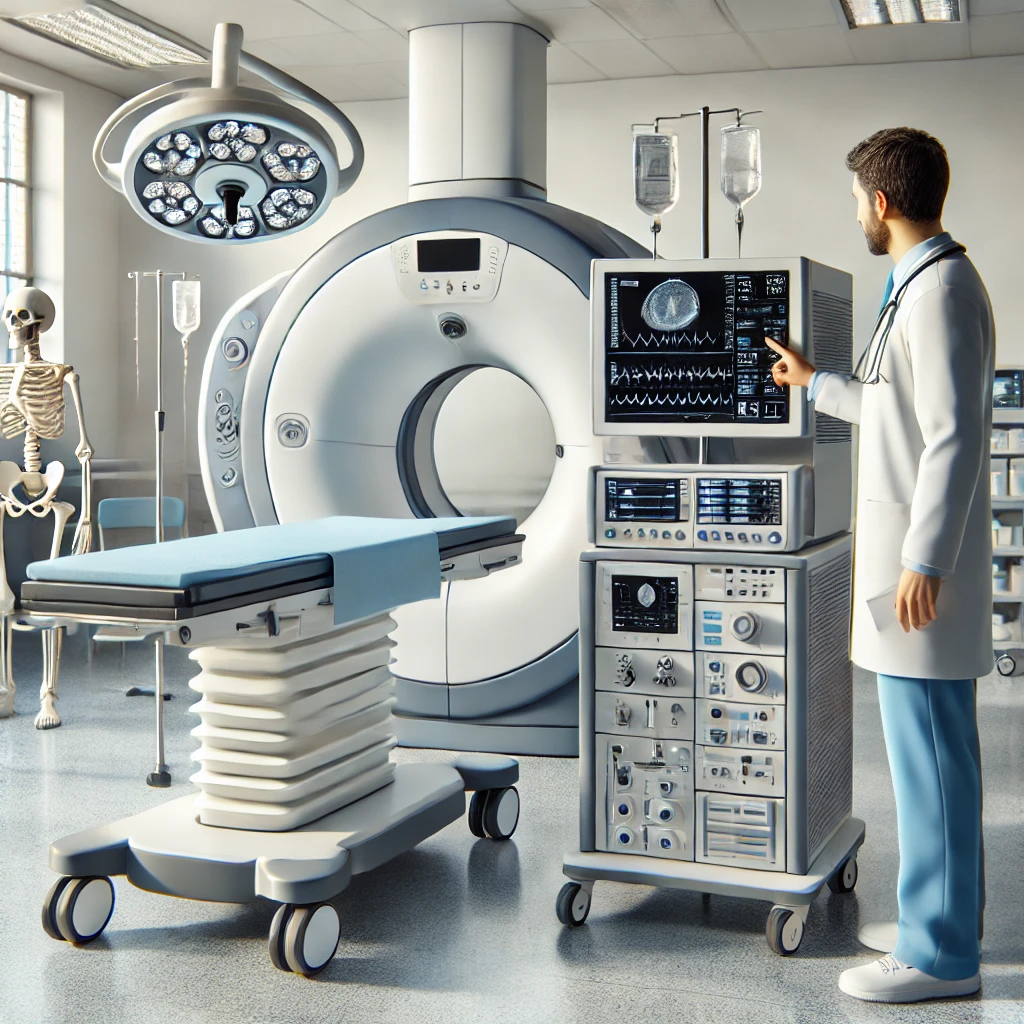
  • How Refurbished Imaging Equipment is Revolutionizing Diagnostic Accuracy

    How Refurbished Imaging Equipment is Revolutionizing Diagnostic Accuracy

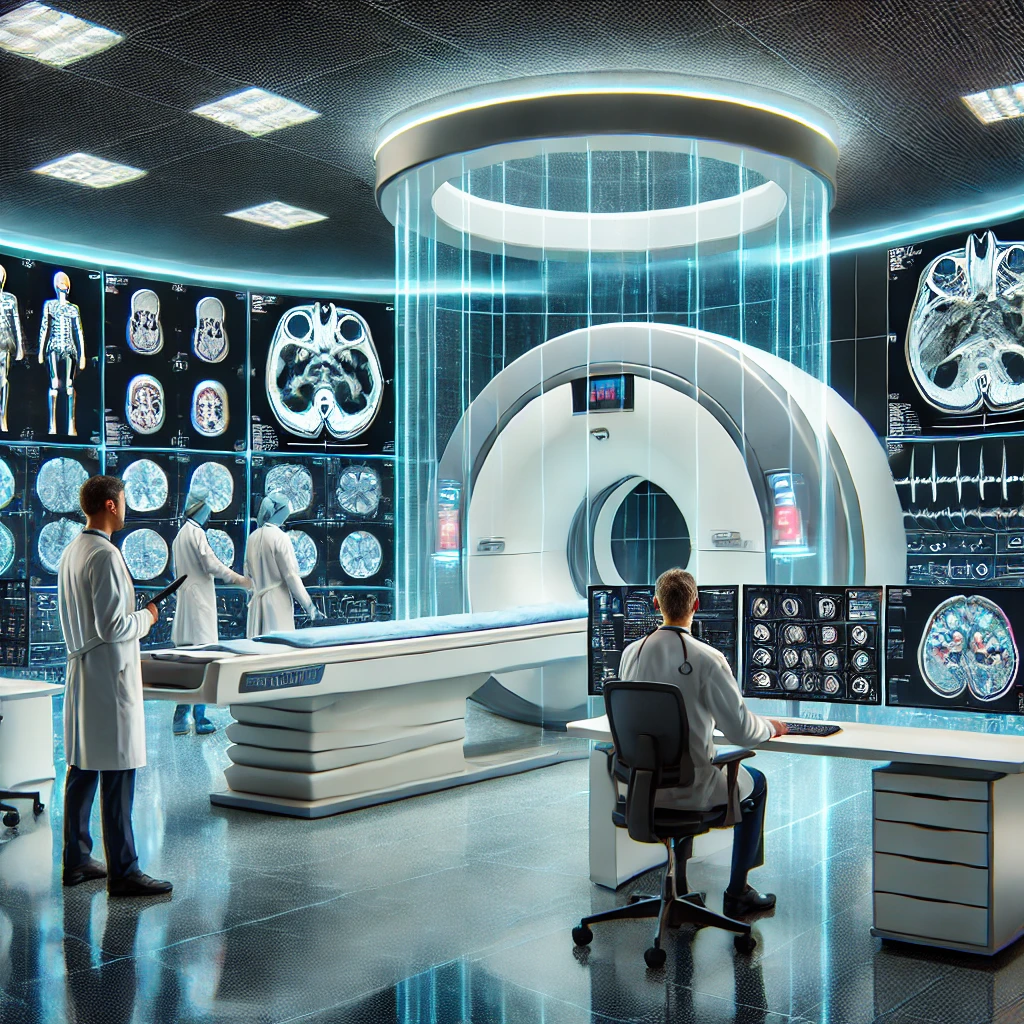
    In the ever-evolving landscape of medical diagnostics, imaging technology plays a crucial role in ensuring accurate and timely patient assessments. However, with the rising costs of medical equipment, healthcare facilities often struggle to upgrade to the latest imaging technologies. This is where refurbished imaging equipment is making a significant impact, revolutionizing diagnostic accuracy while offering cost-effective solutions.

    The Growing Demand for Refurbished Imaging Equipment

    Healthcare institutions worldwide are recognizing the benefits of refurbished imaging equipment. As hospitals, clinics, and diagnostic centers strive to maintain high-quality patient care, many are opting for professionally restored devices that provide advanced imaging capabilities without the financial strain of purchasing brand-new equipment.

    Refurbished imaging equipment, including MRI machines, CT scanners, X-ray systems, and ultrasound devices, undergoes rigorous testing and quality assurance processes to ensure they function like new. This growing demand is driven by factors such as:

    • Cost-effectiveness: Refurbished machines can cost 30-50% less than new equipment, making high-quality imaging more accessible.
    • Technological advancements: Many refurbished systems are upgraded with the latest software and components, ensuring they meet modern diagnostic standards.
    • Environmental sustainability: Reusing medical equipment reduces electronic waste and minimizes the environmental impact of manufacturing new devices.

    Enhancing Diagnostic Accuracy with Refurbished Equipment

    One of the primary concerns in the medical field is ensuring that diagnostic imaging remains accurate and reliable. Contrary to misconceptions, refurbished imaging equipment does not compromise diagnostic precision. Here’s how these systems are improving diagnostic accuracy:

    1. Rigorous Refurbishment Process

    Refurbished imaging equipment undergoes a meticulous refurbishment process that includes disassembly, replacement of worn-out components, recalibration, and software updates. Leading refurbishing companies follow stringent quality assurance protocols, often exceeding industry standards. This ensures that the machines deliver high-resolution imaging for precise diagnosis.

    2. Advanced Software Integration

    Many refurbished systems are upgraded with the latest imaging software, enhancing their ability to detect abnormalities with greater accuracy. Artificial intelligence (AI)-driven diagnostic tools are now being incorporated into refurbished machines, allowing for enhanced image analysis and more precise identification of conditions such as tumors, fractures, and vascular diseases.

    3. Improved Image Resolution and Clarity

    Older imaging machines often suffer from declining image quality over time. Through the refurbishment process, imaging systems are restored to their original performance levels or better. High-resolution imaging contributes to early disease detection, improving patient outcomes and reducing the likelihood of misdiagnosis.

    4. Cost-Effective Access to High-End Technology

    Many healthcare facilities in developing regions struggle to afford brand-new imaging equipment. Refurbished machines bridge this gap by providing cost-effective access to high-quality diagnostic tools. This ensures that more patients receive accurate diagnoses and timely medical interventions, ultimately improving global healthcare standards.

    Real-World Impact on Healthcare Facilities

    Several hospitals and diagnostic centers have successfully integrated refurbished imaging equipment into their operations, resulting in significant benefits:

    • Small and mid-sized clinics can expand their diagnostic capabilities without stretching their budgets.
    • Rural healthcare centers gain access to advanced imaging technologies, reducing the need for patients to travel long distances for diagnostic tests.
    • Specialized medical practices can invest in multiple imaging modalities, improving their ability to diagnose complex conditions.

    For example, a community hospital in Texas recently upgraded its radiology department with refurbished MRI and CT scanners. The investment allowed the facility to enhance diagnostic accuracy while reallocating funds to other critical areas, such as patient care and medical research.

    Overcoming Misconceptions About Refurbished Equipment

    Despite the proven benefits, some healthcare providers hesitate to invest in refurbished imaging equipment due to common misconceptions:

    • Perceived lower quality: Modern refurbishment processes ensure that these systems function as efficiently as new ones.
    • Limited lifespan: Many refurbished machines come with warranties and service agreements, ensuring longevity and reliability.
    • Lack of manufacturer support: Certified refurbishing companies provide technical support and maintenance services, similar to new equipment providers.

    The Future of Refurbished Imaging Equipment

    As medical technology continues to advance, the refurbishment industry is also evolving. Future trends indicate an increase in AI integration, cloud-based imaging storage, and enhanced interoperability between refurbished systems and existing hospital networks.

    Additionally, regulatory bodies such as the FDA and ISO are establishing stricter guidelines for refurbished medical equipment, further boosting confidence in its reliability and safety.

    Conclusion

    Refurbished imaging equipment is playing a pivotal role in transforming healthcare by making high-quality diagnostics more accessible and cost-effective. Through rigorous quality assurance, advanced software integration, and enhanced imaging capabilities, these systems are revolutionizing diagnostic accuracy without compromising patient care. As the healthcare industry continues to embrace sustainable and budget-friendly solutions, refurbished imaging equipment will remain a key driver in the future of medical diagnostics.